Lijingmen
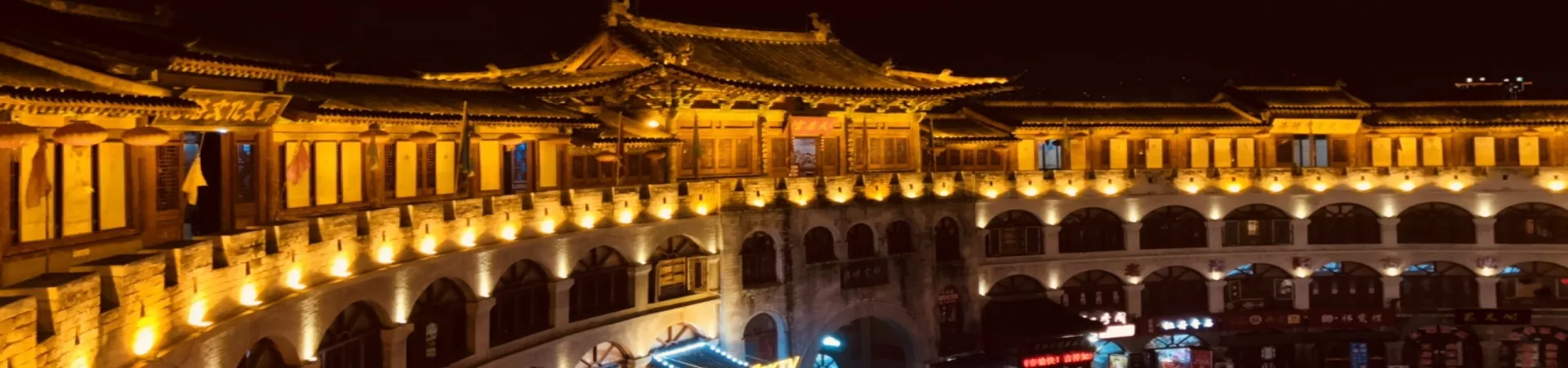
Subtitle: A Journey Through Time at Lijing Gate, the Historic Western Gateway of Luoyang
Introduction: The Soul of an Ancient Capital To step through the towering arch of Lijing Gate is to cross a threshold not just in space, but in time. As the historic western gate of Luoyang's ancient city, Lijing Gate (丽景门, Lìjǐng Mén) stands as a monumental testament to China's profound and layered history. Its foundations, first laid during the Sui Dynasty (581-618 AD), have witnessed the rise and fall of dynasties, the silent prayers of officials and commoners, and the endless flow of life along the Silk Road. More than a mere architectural relic, it is the symbolic heart of old Luoyang, a living museum, and a vibrant cultural hub. As the local saying goes, "If you haven't been to Lijing Gate, your trip to Luoyang is in vain." This adage captures the gate's indispensable role as the keeper of the city's soul, where ancient walls enclose a world of historical exploration, culinary delight, and enduring tradition.
A Storied Past: From Imperial Gateway to Cultural Beacon Origins and Historical Significance Lijing Gate's story begins over 1,400 years ago with its initial construction under the Sui Dynasty, a period that reunified China and saw Luoyang serve as the eastern capital. Strategically positioned, it was a key component of the city's formidable fortifications, controlling access and symbolizing imperial power. For centuries, it functioned as a sacred site where government officials and the general populace gathered for ceremonial worship and sacrifices, imbuing the structure with a deep spiritual significance. Its location made it a witness to countless historical events, from the arrival of foreign envoys to the daily bustle of one of the world's most advanced civilizations.
Architectural Grandeur and Symbolism The gate complex, as seen today after careful restoration, is a magnificent example of traditional Chinese military and palatial architecture. The imposing main tower, with its double-eaved, multi-storied design and sweeping traditional roof, projects authority and grace. Ascending the gate offers not only a panoramic view but also a tangible sense of its defensive purpose. The thick walls, battlements, and the commanding view over the old city district underscore its historical role in protecting the capital. Every brick and beam tells a story of architectural ingenuity designed for both grandeur and security.
The Modern Lijing Gate Experience The Heart of Luoyang Old Street Passing through the gate's vaulted passage leads directly into the pulsating heart of Luoyang Old Street (洛阳老街). This is where history vibrantly collides with the present. The street, lined with buildings that mimic the architectural styles of the Song, Ming, and Qing dynasties, is a bustling pedestrian thoroughfare filled with the sounds, smells, and colors of local life. It is the perfect starting point for immersing oneself in the authentic atmosphere of ancient Luoyang.
A Culinary and Cultural Pilgrimage Savoring Local Flavors One of the paramount joys of visiting Lijing Gate is the unparalleled access to Luoyang's famed culinary heritage. The Old Street is a paradise for food enthusiasts. Here, you can sample an array of local specialties: from the iconic Luoyang Water Banquet (洛阳水席), a sequential feast of soups and stews, to the hearty and flavorful Luoyang Beef Soup (洛阳牛肉汤). Don't miss the chance to try Tang Dynasty Palace Pastries, which offer a sweet taste of history. Each stall and restaurant provides a direct, delicious connection to the region's Heluo culture, the ancient civilization that flourished around the Luo and Yellow Rivers.
Exploring Arts and Crafts Beyond food, the area is a showcase for traditional arts. Shops sell exquisite Luoyang tri-colored glazed pottery (唐三彩), replicas of Tang Dynasty tomb figurines famous for their amber, green, and creamy white glazes. You can also find delicate paper-cuts, intricate palace lanterns, and other handicrafts, making it an ideal place to seek a meaningful souvenir crafted using time-honored techniques.
Key Visitor Information Planning Your Visit * Opening Hours: The gate and surrounding area are generally accessible from 8:00 to 22:00 daily, with last entry at 22:00. The Old Street shops and restaurants may have varying, often longer, hours. * Admission Fees: Access to the Old Street itself is free. However, to ascend the Lijing Gate tower for the museum exhibits and panoramic views, an admission fee is required. A standard adult ticket is approximately 45 RMB, while discounted tickets (around 30 RMB) are available for students with valid ID. Seniors (60+), military personnel, journalists, and individuals with disabilities may qualify for further discounts or free entry with appropriate documentation. It is always advisable to check for the latest prices and policies at the ticket office on the day of your visit.
Getting There Lijing Gate is conveniently located within Luoyang's city center. The most straightforward way to reach it is by public bus. Several bus lines, including 20, 45, 58, and 74, stop at the "Jiulongding Nan" (九龙鼎南, South of Nine Dragons Cauldron) bus stop. From there, it is a short and easy walk of about 120 meters to the gate entrance. Taxis and ride-hailing services are also widely available and can take you directly to the site.
A Unique Annual Tradition: The New Year's Bell Ceremony A particularly magical time to experience Lijing Gate is during the "New Year's Eve Bell Ringing" ceremony. As midnight approaches on December 31st, the gate becomes the focal point for locals and visitors welcoming the coming year. The highlight of the celebration is the opportunity for individuals to personally strike a large, ancient bell. This act is deeply symbolic, believed to dispel the misfortunes of the old year and usher in a new year filled with prosperity, health, and good fortune. The resonant sound of the bell echoing against the ancient stones is a powerful, unforgettable experience that connects participants to a timeless ritual.