Guanlin Temple
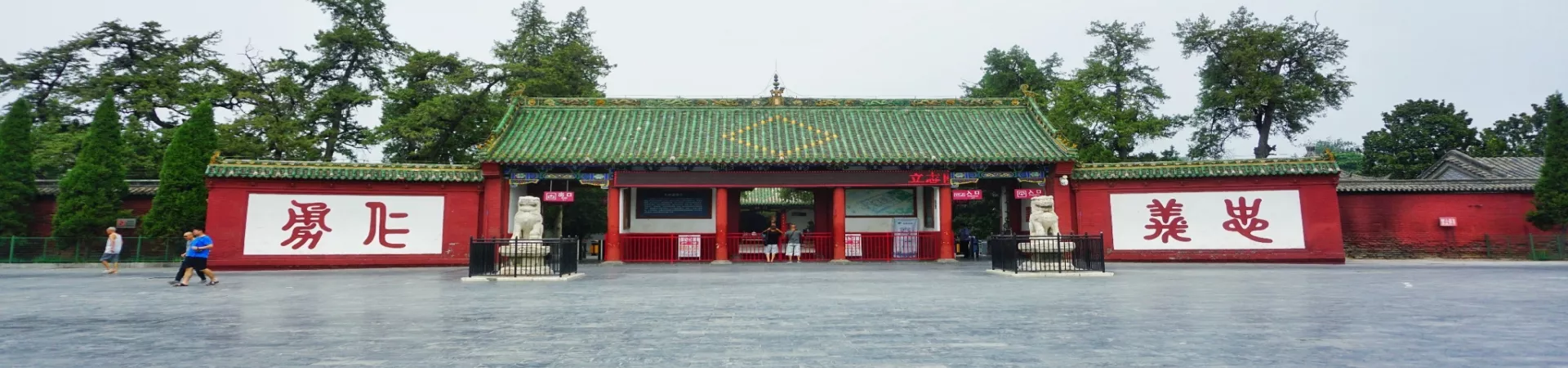
Subtitle: A Sacred Sanctuary Honoring a Legendary Hero: The History, Architecture, and Spiritual Significance of Guanlin Temple
1. Introduction: The Final Resting Place of a Legend Nestled in the ancient city of Luoyang, Henan Province, lies Guanlin Temple, a site of profound historical reverence and architectural grandeur. Unlike any other temple in China, Guanlin serves as the final resting place for the head of Guan Yu, a revered general from the Three Kingdoms period (220-280 AD) who was later deified as Guandi, the God of War and a symbol of loyalty, righteousness, and brotherhood. The temple's name, "Guanlin," literally translates to "Guan's Woods," derived from the sacred grove of ancient cypress trees surrounding his tomb. Established during the Wanli era of the Ming Dynasty (circa 1596) and significantly expanded under Emperor Qianlong of the Qing Dynasty, the complex now spans approximately 100 acres. It stands as a unique and hallowed ground, seamlessly integrating a tomb (Zhong), a temple (Miao), and a forest (Lin) into a single, cohesive sacred space, offering visitors a multifaceted journey through Chinese history, spirituality, and classical architecture.
2. Architectural Majesty: A Palace-Style Tribute The architectural layout of Guanlin Temple is a testament to the supreme status accorded to Guan Yu. Its design strictly adheres to the traditional Chinese palace-style architecture, typically reserved for imperial structures, reflecting Guan Yu's posthumous elevation to imperial and divine ranks. The complex is arranged along a central north-south axis, featuring a sequence of solemn halls and courtyards that create an atmosphere of increasing sanctity and awe as one progresses inward.
2.1. The Halls of Veneration The main buildings along the central axis include the Gate of Temple, the Ceremonial Gate, the Hall of Righteousness, and the grand Hall of Guandi. The Hall of Guandi, the principal hall, houses a majestic statue of the seated Guan Yu, adorned in imperial dragon robes, presenting a formidable yet dignified visage. The intricate carvings, painted beams, and glazed roof decorations throughout these halls are exemplary of Ming and Qing craftsmanship, with every detail symbolizing power, protection, and virtue.
2.2. The Unique Opera Tower (Wu Lou) Among the temple's many ancient structures, the Opera Tower (or Stage Tower) stands out as particularly distinctive. Positioned directly opposite the main hall, this two-story pavilion was used for performing operas and rituals in honor of Guan Yu. Its design allows performances to be viewed from both the courtyard in front and the main hall, symbolizing the belief that the deity himself would enjoy the theatrical tributes. This architectural feature highlights the integration of cultural performance with spiritual worship.
3. The Spiritual Heart: Tomb and Sacred Grove Moving beyond the temple halls, the path leads to the spiritual core of the complex—the tomb of Guan Yu and its surrounding forest.
3.1. The Tomb Mound The tomb itself is a large, circular earth mound, reminiscent of ancient imperial burial sites. It is marked by a solemn stele inscribed with characters identifying it as the final resting place of Guan Yu's head. According to historical records, after Guan Yu was defeated and executed, his head was sent to Cao Cao in Luoyang. Cao Cao, respecting his adversary's valor, ordered a ceremonial burial with full honors, thus establishing this sacred site. The tomb's peaceful and respectful setting invites contemplation on the themes of loyalty and fate central to Guan Yu's legend.
3.2. Forest of Steles and Ancient Cypresses The temple grounds are famously characterized by a "forest of steles" and a thriving grove of ancient cypress trees. Hundreds of stone steles, inscribed with poems, dedications, and historical records from various dynasties, line the pathways, serving as a tangible chronicle of Guan Yu's enduring legacy. The towering cypresses, many over several hundred years old, add to the site's serene and timeless ambiance. Their evergreen nature symbolizes the eternal spirit and unwavering virtue of Guan Yu. The perpetual incense smoke wafting through this ancient forest attests to the temple's status as a living center of worship, where pilgrims continuously pay their respects.
4. Practical Visitor Information To facilitate a smooth visit, please note the following practical details regarding access, fees, and special events.
4.1. Transportation and Location Guanlin Temple is located in the Guanlin District of Luoyang. It is easily accessible by public bus. Visitors can take bus routes 58, 15, 39, or 55 and alight at the "Guanlinmiao" (Guanlin Temple) stop. From there, the temple entrance is within a short walking distance.
4.2. Admission Fees and Opening Hours The general admission ticket is priced at 40 RMB per person. It is advisable to check for any potential changes or discounts applicable to students, seniors, or groups. The temple's opening hours vary slightly by season: * Summer (June 1 - August 31): 08:30 - 18:00, with last entry at 17:30. * Winter (December 1 - February 28): 08:30 - 17:30, with last entry at 17:00. Visitors should allocate approximately 1 to 3 hours to fully explore the temple complex and its serene grounds.
4.3. The International Guan Yu Cultural Festival A pinnacle of the temple's annual calendar is the International Guan Yu Cultural Festival and Pilgrimage Ceremony, held around September 29th. This grand event attracts devotees, cultural organizations, and descendants of the Guan family from across mainland China, Hong Kong, Taiwan, and overseas Chinese communities worldwide. The ceremony features elaborate traditional rituals, operatic performances, and cultural exhibitions, transforming the temple into a vibrant hub of international reverence and cultural exchange, showcasing the global impact of Guan Yu's legacy.
4.4. Contact Information For the most current information before your visit, you may contact the temple administration at the following telephone numbers: 0379-65951746 or 0379-69868181. Please note that all practical information is subject to change, and it is recommended to verify details with the official sources on the day of your visit.