Tuole Village
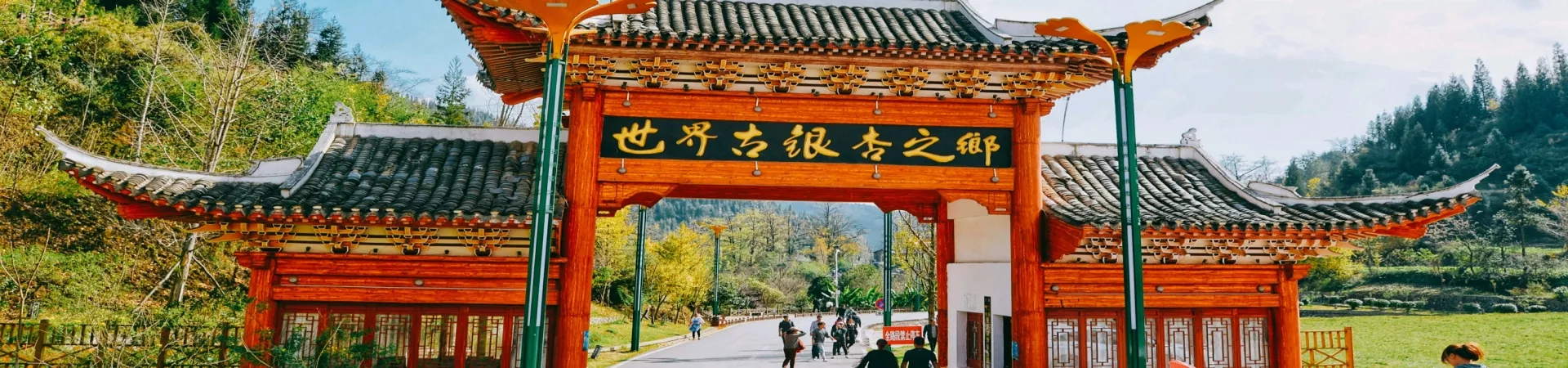
Subtitle: A Journey into an Ancient Ginkgo Kingdom
1. Introduction to Tuole Village Nestled within the mountainous embrace of Liupanshui City in Guizhou Province, Tuole Village is not merely a destination; it is a living, breathing chronicle of time. Far from the bustling urban centers, this secluded hamlet has earned poetic monikers such as "The Hometown of the World's Ginkgo" and "A Paradise for Photographers." Its soul is inextricably intertwined with over 1,200 ancient ginkgo trees, some of which have stood sentinel for more than 1,200 years. Visiting Tuole is akin to stepping into a golden-hued fairy tale, especially in late autumn when the village is transformed into a breathtaking sea of gold, offering an unparalleled sanctuary of tranquility and natural splendor.
2. The Heart of the Village: The Ancient Ginkgo Forest 2.1. A Living Natural Heritage The core of Tuole's magic lies in its astonishing collection of ancient ginkgo trees (Ginkgo biloba). These are not just trees; they are revered elders of the plant kingdom, often called "living fossils." With more than 1,200 specimens, the village boasts one of the densest and best-preserved ancient ginkgo communities on the planet. The most ancient among them have witnessed over twelve centuries of history, their gnarled trunks and sprawling roots telling silent stories of dynasties risen and fallen.
2.2. A Seasonal Spectacle: The Golden Transformation While Tuole possesses a quiet charm year-round, it achieves its zenith of beauty from mid-October to late November. During this period, the fan-shaped leaves of the ginkgo trees undergo a dramatic metamorphosis, turning from lush green to a vibrant, brilliant gold. The entire village—rooftops, courtyards, stone paths, and streams—becomes carpeted in a thick layer of golden leaves. Sunlight filtering through the golden canopy creates a dappled, ethereal light, making every corner a picture-perfect scene. This natural phenomenon attracts photographers, artists, and nature lovers from across the globe.
2.3. Symbiosis of Man and Nature What makes Tuole uniquely captivating is the harmonious coexistence between the villagers and the ancient forest. The ginkgo trees are intricately woven into the fabric of daily life. Houses are built around them, courtyards are shaded by them, and the villagers deeply respect these natural monuments. This symbiotic relationship creates a picturesque landscape where architecture and nature merge seamlessly, offering a profound example of sustainable living.
3. Practical Visitor Information 3.1. Admission and Operating Hours To plan your visit effectively, please note the following general guidelines. It is always advisable to verify details closer to your travel date, as operational hours can be subject to change. * Typical Admission Fee: An entrance ticket is usually required for access to the core scenic areas of the village. * Standard Operating Hours: The village is generally open to visitors from 8:30 AM to 6:00 PM throughout the year (Monday through Sunday). * Important Note: The above information is provided as a reference. For the most accurate and up-to-date details regarding ticket prices, potential seasonal variations, or specific entry policies, it is highly recommended to consult the official scenic area announcements directly prior to your visit.
3.2. Suggested Duration of Visit To fully immerse yourself in the serene atmosphere of Tuole Village and explore its ancient pathways, quaint bridges, and tranquil streams at a leisurely pace, a visit of 1 to 3 hours is typically recommended. This allows ample time for photography, quiet reflection, and simply soaking in the majestic beauty of the ginkgo forest without feeling rushed.
4. Cultural Essence and Local Life 4.1. Beyond the Trees: Glimpses of Local Culture The cultural tapestry of Tuole is rich and subtle. The village architecture reflects traditional local styles, with simple, elegant dwellings constructed from wood and stone. Visitors may observe aspects of the villagers' peaceful daily routines and, if fortunate, encounter local crafts or traditional practices that have been preserved through generations.
4.2. The Ginkgo in Local Economy and Cuisine The ginkgo tree is a cornerstone of the local economy beyond tourism. Its nuts, known as baiguo (white fruit), are harvested and are a celebrated local product. You will find them sold widely in the village. In local cuisine, ginkgo nuts are incorporated into various dishes, from savory stews to sweet soups, offering a unique and authentic culinary experience for adventurous food enthusiasts. Sampling a dish cooked with fresh ginkgo nuts is a true taste of Tuole's heritage.
5. Planning Your Experience 5.1. Optimal Time for Visit As emphasized, autumn (mid-October to November) is the undisputed best time to witness the village's iconic golden landscape. However, visiting in other seasons provides a different, greener perspective of the ancient forest and a even quieter, more introspective experience.
5.2. Getting to Tuole Village Tuole Village is located approximately 20 kilometers from downtown Liupanshui. The most convenient way to reach the village is by private vehicle or taxi, which offers flexibility. Alternatively, tourists can inquire about local tourist buses or coach services that may operate from Liupanshui, especially during the peak autumn season.
5.3. Tips for a Fulfilling Visit To ensure a respectful and enjoyable visit, consider these final pointers. Wear comfortable walking shoes suitable for uneven stone paths. Mornings often provide the softest light for photography and a more peaceful ambiance. As always, be a respectful guest—refrain from damaging the trees, dispose of trash properly, and be mindful of the residents' privacy. This helps preserve the pristine beauty and cultural integrity of this extraordinary ancient ginkgo kingdom for future generations.