Liuzhi Changjiao Miao
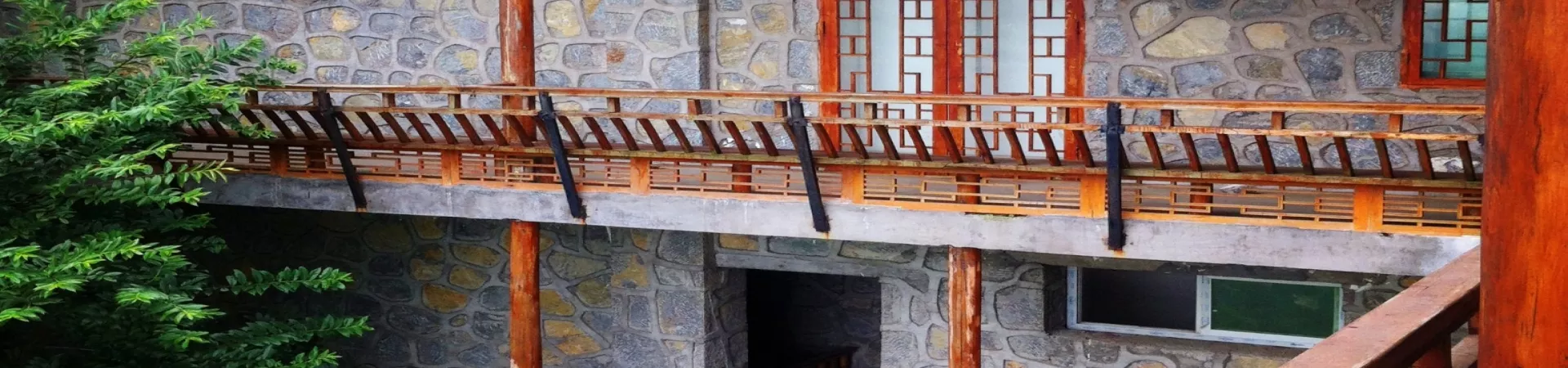
Subtitle: A Journey into the Heart of Guizhou's Living Heritage
1. Introduction: The Echo of the Horns in the Misty Mountains Nestled within the high, limestone karst mountains of Liupanshui City in Guizhou Province, far from the bustling urban centers, lies a community that has preserved a unique cultural identity for centuries. This is the home of the Long-horn Miao, more specifically known as the Suoga Miao, residing primarily in the twelve villages of Suoga Township in Liuzhi Special District. Their name, derived from the extraordinary large wooden horn worn as part of their headdress, is a symbol of a profound and resilient culture. A visit here is not merely a scenic trip but a deep, respectful immersion into a living museum, where tradition is woven into the fabric of daily life, echoing the rhythms of nature and ancestry.
2. The Cultural Tapestry of the Long-horn Miao 2.1. The Iconic Headdress: More Than an Adornment The most striking symbol of this community is, without doubt, the grand headdress. For women, it is an elaborate construction consisting of a large wooden horn, traditionally made from wood of the changshan tree, and a massive bundle of hair. This bundle is not merely their own hair but incorporates the hair of generations—passed down from mothers and ancestors, mixed with woolen yarn for volume. When fully dressed, the headdress, weighing several kilograms, is wrapped with the hair and secured by a horizontal wooden pin, creating a wide, wing-like silhouette that is both majestic and symbolic. It represents veneration for ancestors, with the horn itself often said to symbolize the horns of the ox, an animal revered for its strength and importance in agricultural life. For men, while less elaborate, the headdress also holds significance, often featuring smaller horns and worn during special ceremonies.
2.2. A Life in Harmony with Nature: Customs and Daily Rhythms The culture of the Long-horn Miao is intrinsically linked to their environment. Their subsistence farming practices, cultivating corn and potatoes on the steep mountain slopes, follow sustainable, time-honored methods. Their social structure is tightly knit, centered around clan and family. The community is governed by a council of elders and a "Chieftain of the Mountain," a respected figure who oversees the preservation of customs, mediates disputes, and leads important rituals. Key aspects of their daily and ceremonial life include: * Traditional Dress: Their homespun clothing, dyed with indigenous plants, features intricate batik and embroidery patterns. These are not random designs; they are a visual language encoding myths, history, and prayers, with motifs representing their migration stories, local flora and fauna, and spiritual beliefs. * Music and Dance: Music is the soul of their expression. They communicate over long distances with folk songs and perform dances that mimic the movements of farming and animals. The lusheng (a reed-pipe instrument) and mouth harp are central to their festivities, their sounds resonating through the mountain valleys during festivals and courtship rituals. * Spiritual Beliefs: Their worldview is animistic, believing in spirits residing in natural elements like ancient trees, rocks, and mountains. Ancestor worship is paramount, with rituals conducted to honor the deceased and seek their protection and guidance for the living.
3. The Suoga Ecological Museum: A Pioneering Concept The global significance of Long-horn Miao culture led to the establishment, in collaboration with Norwegian museum experts, of the Suoga Ecological Museum of the Long-horn Miao in 1998. It was one of China's first and remains a flagship example of this museum philosophy. * 3.1. Concept: A Museum Without Walls Unlike conventional museums that remove artifacts to display cases, an ecological museum aims to preserve the entire cultural and natural environment in situ. The "museum area" encompasses the landscape, villages, people, and their intangible heritage. The central information center in Suoga village provides context, while the true "exhibits" are the living community and their ongoing traditions. * 3.2. Preservation and Challenges The museum's mission is to safeguard a living culture against the pressures of modernization and globalization. It facilitates the transmission of skills like embroidery and batik to younger generations and documents oral histories. However, it faces the delicate challenge of balancing cultural preservation with the community's rightful aspirations for economic development and modern comforts. Tourism, while providing income, must be managed sensitively to avoid turning culture into a performance.
4. A Visitor's Guide: Etiquette and Experience For the thoughtful traveler, a visit to Suoga is a privilege that demands respect and mindfulness. * 4.1. Planning Your Visit The best times to visit are during dry, mild seasons (spring and autumn). Access requires a journey from Liupanshui or Liuzhi by road, involving winding mountain routes—a testament to the community's historical isolation. Overnight stays in simple, locally-run guesthouses offer a more immersive experience than a day trip. * 4.2. Cultural Etiquette: The Principles of Respect * 4.2.1. Photography: Always, always ask for explicit permission before photographing individuals, especially close-ups. A gesture or a smile is not consent. Be prepared to pay a small, agreed-upon fee if requested, as this is a common and fair practice. * 4.2.2. Interaction: Approach people with a friendly and respectful demeanor. Learn a few basic greetings in the local Miao dialect if possible. Avoid intrusive questions. Purchasing handicrafts directly from artisans is a wonderful way to support the community. * 4.2.3. Observation: Participate as a quiet observer. During ceremonies or in homes, follow the lead of your local guide or host. Do not touch sacred objects, altars, or personal items without invitation. * 4.3. Witnessing Traditions If your visit coincides with a festival such as the Flower Dancing Festival or their New Year celebrations, you will witness the culture in its most vibrant state, with full regalia, lusheng music, and communal dances. Even on ordinary days, you may see women creating batik, spinning yarn, or crafting their monumental headdresses, offering a genuine glimpse into their artistic heritage.
The world of the Long-horn Miao in Suoga stands as a powerful reminder of human cultural diversity. It is a place where history is worn proudly on the head, where songs carry the weight of generations, and where the bond with the land is sacred. To walk through their villages is to step into a narrative of resilience, beauty, and profound connection—a narrative that continues to be written every day.