Yunzhong Waterfall
Subtitle: A Journey to the "Three Layers of Heaven": Unveiling the Ancient Charms of Yunzhong Daji
Introduction: The Basin in the Clouds
Nestled within a high-mountain basin at an elevation of 1,600 meters, Yunzhong Daji (literally "Big Ji in the Clouds") presents a landscape that seems plucked from a classical Chinese painting. Encircled by towering, precipitous ridges that resemble ladders reaching into the heavens, this secluded haven has long been poetically known as the "Three Layers of Heaven" (San Tou Tian). The name captures the sensation of ascending into another realm, where the world below fades away, revealing a serene plateau of rolling hills, idyllic farmlands, and timeless villages. This unique topography fosters a cool, mist-kissed microclimate and shelters a treasure trove of cultural and natural wonders, making it a destination of profound tranquility and historical depth.
A Tapestry of Cultural Heritage: Ancient Architecture
The soul of Daji is embodied in its exceptionally well-preserved ancient architecture, a testament to the area's historical significance and enduring traditions.
The Crown Jewel: Shisi Temple Undoubtedly the most significant historical site is Shisi Temple. This architectural marvel is one of only three surviving wooden structures from the Song and Yuan dynasties (10th to 14th centuries) in the entire Jiangnan region. Its existence offers an invaluable, tangible link to China's medieval architectural techniques and Buddhist heritage. The temple's design, construction, and enduring presence are a silent narrative of centuries past.
Ancestral Halls and Covered Bridges Adjacent to Shisi Temple stands the Mei Clan Ancestral Hall, built during the Ming Dynasty's Wanli era. Its distinct style and remarkable state of preservation provide deep insights into the local clan culture and ancestral worship practices that have shaped community life for generations.
Further enriching the architectural landscape are the region's characteristic covered wooden bridges, such as Huguan Bridge and Hu Bridge. Belonging to the architectural tradition of southern Zhejiang, these are not merely crossings but elegant, functional shelters—places for rest, social gathering, and admiring the scenery, showcasing ingenious carpentry and a harmonious blend with the natural environment.
Whispers of Time: The Ancient Tree Kingdom
Complementing the man-made heritage is a breathtaking kingdom of ancient trees. Daji is home to over 200 celebrated ancient trees, including varieties like Chinese cedar, Keteleeria, rosewood, cypress, and ginkgo. The youngest among them are already 300 to 400 years old. These arboreal patriarchs form a unique and awe-inspiring forest community.
The Monarch: The 1,500-Year-Old King of Chinese Cedars The undisputed sovereign of this green realm is a colossal Chinese cedar (Cryptomeria fortunei), known as the "King of Chinese Cedars." Having weathered 1,500 years of storms and sunshine, its immense girth and towering height make it a national champion. Each ancient tree possesses a distinct personality: some stand like giant immortals, others have "silver beards" of moss hanging from their branches, some appear as if dressed in sweeping gowns of foliage, while others exhibit gracefully twisting forms. Together, they create a living museum of natural history and a sacred grove of serene beauty.
The Roar of Nature: Landscapes and Legends
The terrain of Daji is as dramatic as its history. The rolling hills are imaginatively described in local lore as resembling lions, tigers, and phoenixes, earning the area the nickname "Nine Lions and Thirteen Plains."
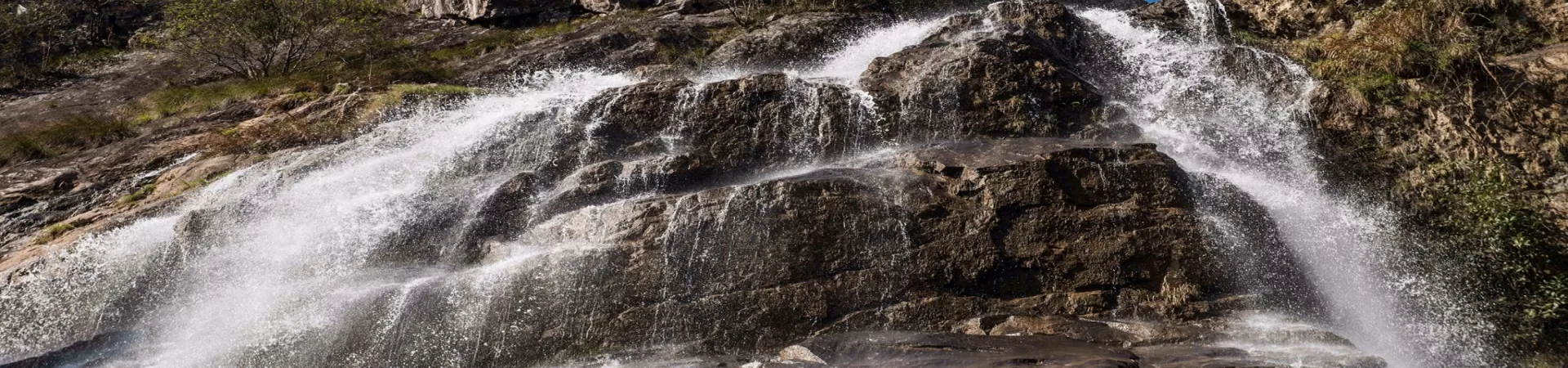
The Centerpiece: Snow-Like Daji Waterfall The most spectacular natural feature is the monumental Daji Waterfall. Plunging approximately 100 meters down a sheer cliff face, its waters scatter into a myriad of fine, misty droplets that glitter like flying snow, especially under sunlight. The thunderous roar of the cascade echoes through the valley, a powerful contrast to the surrounding tranquility. This majestic waterfall is the dynamic, awe-inspiring heart of the scenic area.
Practical Information for Your Visit
Getting There * By Car (Recommended for flexibility): After exiting the Lishui Expressway towards Jingning County, continue along Provincial Highway 52. Turn right at Baihe village, following the signs for "Yunzhong Daji." The final leg involves approximately one hour of scenic mountain driving. * By Public Transport: Take a bus from Lishui East Bus Station or the station near Lishui High-Speed Rail station to Jingning County (buses run every 30 minutes from 6:40 to 16:40, fare approx. 25 RMB). From Jingning Bus Station, transfer to a local minibus (fare 17 RMB) bound for Daji. These minibuses typically depart from the right-hand side (local services area) of the station.
Admission and Hours * Ticket: 50 RMB per person. Optional guided tour services are available for approximately 100 RMB. * Opening Hours: * April 1 - October 31: 08:30 - 17:00 (last entry at 16:00). * November 1 - March 31: 08:30 - 17:00 (last entry at 16:00).
Suggested Duration A visit to fully appreciate the temples, ancient trees, waterfall, and village atmosphere typically requires 2 to 4 hours.
Contact For inquiries, you may call: 0578-5066998.
Information last updated: July 29, 2023. Credits to contributing travelers.