Yangjiatang Village
Subtitle: A Journey to Yangjiatang Village: The "Golden Potala Palace" of Songyang
1. Introduction: A Hidden Gem Cradled by Mountains
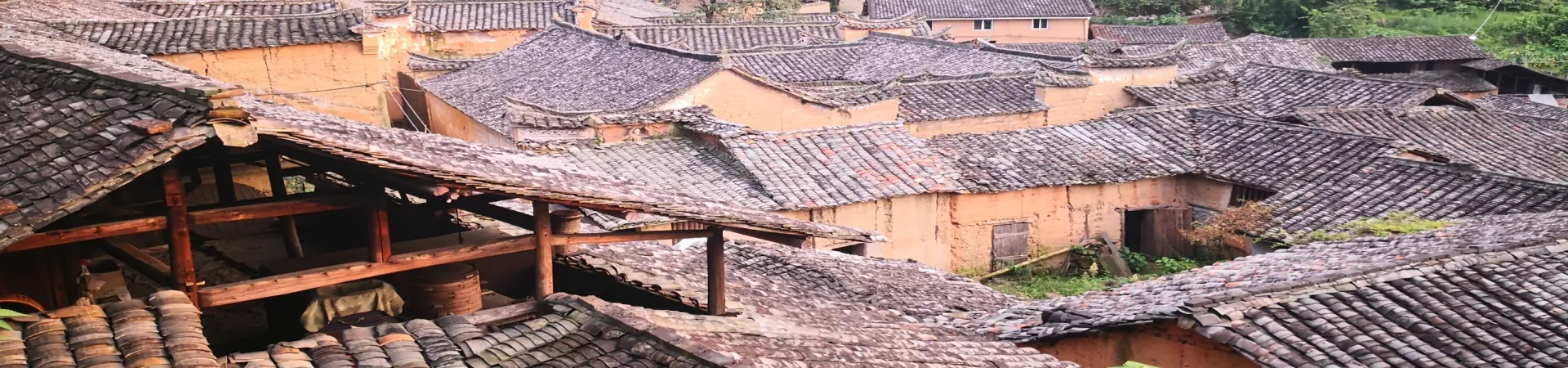
Nestled within the undulating landscapes of Sandu Township in Songyang County, Zhejiang Province, lies the captivating ancient village of Yangjiatang. This settlement is a masterclass in harmonious integration with nature, strategically positioned within a circular mountain depression. Flanked and embraced by protective ridges on both sides, the village's layout is a tangible testament to traditional Chinese Fengshui principles, designed to harness auspicious energy and provide natural shelter. From a distance, the village presents a breathtaking spectacle—a cascading, terraced architectural facade of earthen and timber structures that cling to the steep hillside. This remarkable visage, stretching approximately 200 meters vertically, has rightfully earned Yangjiatang the poetic nickname "The Golden Potala Palace," drawing a parallel to the iconic, layered majesty of Tibet's famed palace. It stands as a quintessential and exceptionally preserved example of a stepped-terrace ancient village in the Songyang region, offering a profound journey into history, architecture, and serene rural life.
2. Architectural Symphony: The Terraced Wonder of the Qing Dynasty
2.1. A Masterpiece of Adaptive Construction The most defining characteristic of Yangjiatang Village is its ingenious architectural response to the challenging terrain, succinctly described as "where not even three feet of land is flat." Against this steep incline, builders of the Qing Dynasty (1644-1912) crafted a vertical community. Over twenty residential dwellings, constructed from wood and rammed earth—materials sourced directly from the local environment—rise tier upon tier up the mountainside.
2.2. The Stepped Skyline and Daily Life Each house is positioned roughly 2 to 3 meters higher than the one directly below it, creating a dramatic and rhythmic elevation gain across the village. This layout is not merely aesthetic; it served practical purposes in drainage, sunlight exposure, and privacy. Walking through the village involves navigating stone-paved paths and short stairways that connect these layered homes. The rooftops of lower houses become the front yards or foundations for the ones above, forming a colossal, living architectural facade. The warm, earthy hues of the exposed clay walls and dark grey tiles, especially when illuminated by the morning sun or the late afternoon glow, fully justify the "golden" moniker, transforming the entire hillside into a shimmering, gilded panorama.
3. Practical Information for Your Visit
To fully immerse yourself in the timeless beauty of Yangjiatang, here are the essential details for planning your trip.
3.1. Getting There * Public Transport: The most straightforward method is to take the Songyang Bus Line 12. Alight at the Tongxi Village (Bus Station) stop. From there, a scenic and pleasant walk of approximately 20 minutes will lead you to the entrance of Yangjiatang Village, allowing the anticipation to build as you approach. * Self-Drive: For those driving, navigating to "Yangjiatang Village, Sandu Township, Songyang County" via GPS is recommended. Parking is typically available near the village entrance.
3.2. Admission and Opening Hours One of the great advantages of visiting Yangjiatang is its accessibility. * Ticket: Admission to the village is completely free of charge. * Open Hours: The village is open 24 hours a day, every day of the year. This allows for flexibility in planning. A morning visit offers soft light perfect for photography, while dusk brings a magical atmosphere as lights begin to twinkle in the layered homes.
3.3. Suggested Duration To leisurely explore the main pathways, appreciate the architectural details, visit a traditional courtyard home, and soak in the panoramic views from various vantage points, a visit of 1 to 3 hours is generally sufficient. This provides ample time without feeling rushed.
4. Experiencing Yangjiatang Beyond the View
4.1. The Atmosphere and Cultural Texture A visit to Yangjiatang is more than a visual tour; it's an sensory experience. The air is fresh and often filled with the subtle sounds of rural life—chickens clucking, distant conversations, and the wind rustling through ancient trees. The village is still a living community, and observing the daily routines of local residents adds a layer of authentic cultural texture to the historical setting.
4.2. Photography and Seasonal Beauty The village is a photographer's paradise. The interplay of light and shadow on the terraced structures changes throughout the day. While the "golden" hour around sunrise and sunset is famously spectacular, misty mornings can shroud the village in an ethereal, mystical aura. Each season dresses Yangjiatang differently: lush green surrounds in spring and summer, golden harvest tones in autumn, and a stark, elegant beauty in winter.
4.3. Connectivity and Nearby Exploration For any specific inquiries, the contact number 13867043228 may be used to reach local guides or tourism information. Yangjiatang is also a key part of the larger "Songyang Ancient Villages" route. Consider combining your trip with visits to other nearby historic villages like Shicang or Huangling to gain a deeper understanding of the region's unique rural architecture and culture. Wearing comfortable walking shoes is highly advisable due to the sloping and stepped pathways that define this extraordinary village.