Window Tourist Area of She Township, Jingning She Autonomous County
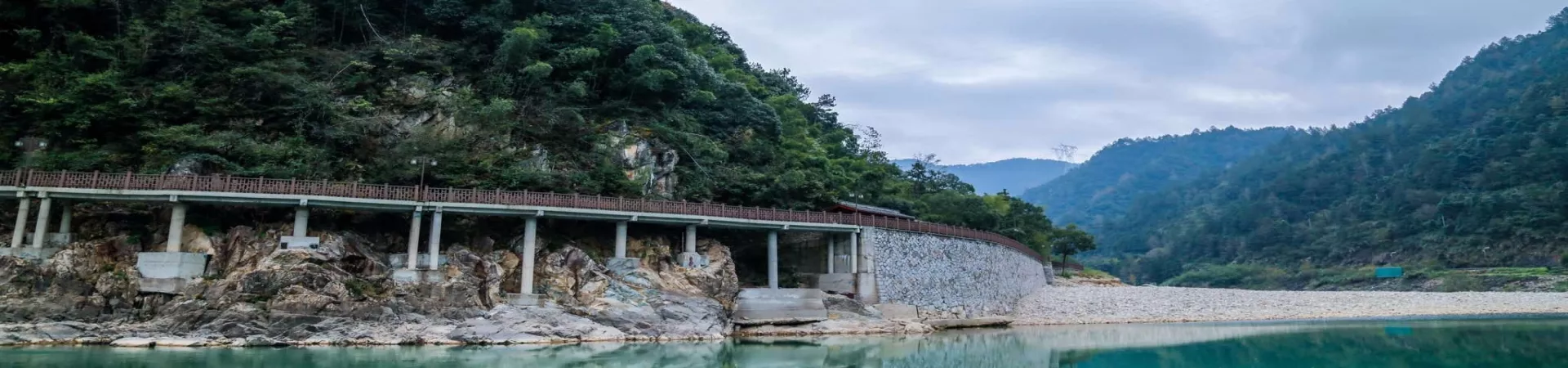
Subtitle: A Gateway to the She Ethnic Culture Amidst Scenic Landscapes
1. Introduction to Shexiang Zhichuang (The Window of She Country) Scenic Area
Nestled in Jingning She Autonomous County within the lush, mountainous prefecture of Lishui, Zhejiang Province, lies the Shexiang Zhichuang tourism area. This destination serves as a premier cultural portal, masterfully integrating the profound and vibrant heritage of the She ethnic minority with the region's stunning natural landscapes and historical relics. Centered around the ancient village of Dajun and the serene waters of the Oujiang River's Xiaoxi tributary, the area offers visitors an immersive journey. It is not merely a scenic spot but the optimal "window" for anyone seeking to experience authentic She culture firsthand, set against a backdrop of picturesque rivers and mountains. The experience here goes beyond sightseeing; it is about engaging with a living culture, understanding its history, and appreciating its harmony with nature.
2. The Cultural Heart: Dajun Ancient Village and Its Street
2.1. Dajun Ancient Street: The Vibrant Artery of She Culture The core of the visitor experience is Dajun Ancient Street, renowned as a quintessential She ethnic风情街 (customs street). The atmosphere here is notably more intense and authentic in its She cultural representation compared to Jingning's county town. Walking along the street, one is enveloped in an ambiance where traditional architecture, local crafts, culinary delights, and the subtle nuances of daily life vividly showcase the She heritage.
2.2. A Millennium of History and Commerce Dajun Ancient Village boasts a long and storied history, with its foundations tracing back to the late Tang Dynasty and the initial period of the Five Dynasties (around the 10th century AD). For over a thousand years, it has served as a crucial hub for both land and water transportation along the Xiaoxi River, a vital支流 (tributary) of the Oujiang. This strategic location fostered significant commercial prosperity, making it a bustling center for trade. Alongside its mercantile spirit, the village also cultivated a strong tradition of耕读 (farming and studying), emphasizing both agricultural work and scholarly pursuit.
2.3. The "Three Poles" Folk Custom: Essence of Dajun Livelihood This unique historical context gave rise to a distinctive local folk custom among Dajun residents: the emphasis on the "Three Poles" (三杆). This philosophy encapsulated the primary means of livelihood and social standing: * The Pen Pole (笔杆): Symbolizing education, literacy, and clerical work. Villagers valued the ability to write contracts, legal documents, and correspondence, which was essential for business and governance. * The Steelyard Pole (秤杆): Representing commerce, trade, and fair dealing. Mastery in using the steelyard (an ancient weighing scale) was crucial for merchants and traders in the bustling market. * The Bamboo Pole (竹杆, specifically referring to a punt-pole): Standing for transportation and logistics on the water. Skills in撑船撑排 (punting boats and guiding rafts) were vital for navigating the Xiaoxi River, facilitating the movement of goods and people.
This trinity of skills highlights how the community adeptly balanced intellectual, commercial, and physical labor to thrive in their environment.
3. Experiencing the Natural and Cultural Tapestry
3.1. The Scenic Backdrop: Oujiang River and Xiaoxi Stream The natural setting is integral to the experience. The placid waters of the Xiaoxi Stream, mirroring the surrounding green hills, provide a tranquil yet dynamic landscape. Visitors can appreciate the scenery that has sustained and inspired the She people for generations, offering opportunities for photography, riverside walks, and reflection.
3.2. Immersive She Ethnic Encounters Beyond the historical narrative of Dajun, the area is a living museum of She culture. Visitors may encounter: * Traditional She Attire and Silverware: Admire the intricate embroidery and elaborate silver headdresses characteristic of She clothing. * Folk Songs and Dances: Experience the haunting melodies and energetic dances that are central to She celebrations and storytelling. * Local Cuisine: Sample unique She dishes and local specialties that utilize mountain and river ingredients. * Handicrafts: Observe or purchase traditional crafts, which may include woven textiles or bamboo work connected to the "Bamboo Pole" heritage.
4. Practical Visitor Information
4.1. Admission and Opening Hours A significant advantage for visitors is that access to the Shexiang Zhichuang area, including Dajun Ancient Street, is free of charge. This open policy encourages broader exploration and engagement with the cultural and natural environment. The scenic area is open 24 hours a day, every day of the week, throughout the year (from January 1st to December 31st). The "all-day" access allows for flexibility in planning, whether one prefers the soft morning light on the ancient streets, the lively daytime atmosphere, or the peaceful evening ambiance by the river.
4.2. Suggested Duration and Contact To fully absorb the historical depth, cultural richness, and natural beauty at a relaxed pace, it is recommended to allocate approximately one full day for the visit. This allows sufficient time to wander the ancient street, interact with locals, enjoy a meal, explore the riverfront, and delve into the various cultural facets. For specific inquiries or to confirm details before your visit, you can contact the scenic area at 0578-5815111.