Heyang Ancient Residential Buildings
Subtitle: A Journey Through Time in Zhejiang's Preserved Historical Village
1. Introduction: A Sanctuary of History Amidst Natural Splendor
Nestled within the breathtaking expanse of the Xiandu National Scenic Area in Jinyun County, Zhejiang Province, lies Heyang Ancient Village, a designated Provincial Historical and Cultural Conservation Area. This is not merely a collection of old buildings; it is a living, breathing chronicle of a family lineage that has endured for over a millennium. The village's story begins in the tumultuous era of the Five Dynasties and Ten Kingdoms period. In the year 933 AD, two brothers, Zhu Qingyuan and his sibling, former secretariat officials of the Wuyue Kingdom, sought refuge from the widespread political chaos. They journeyed to this serene valley in Jinyun and decided to establish a new home. In a poignant nod to their ancestral roots in Xinyang, Henan Province, they named their settlement "Heyang," poetically combining the "He" from Henan and the "Yang" from Xinyang. Thus, a legacy was born, one that would be meticulously preserved through successive generations of the Zhu family, creating the remarkable time capsule we can explore today.
2. Architectural Heritage: The Soul of Heyang
2.1. Layout and Philosophy: A Model of Traditional Planning Heyang's layout is a masterclass in traditional Chinese geomancy (Feng Shui) and clan-based urban planning. The village is strategically oriented, backed by mountains and facing a river, adhering to principles believed to ensure prosperity and harmony. Its structure revolves around a central axis, along which the most significant ancestral temples and main residences are solemnly arranged. A unique and defining feature is the "Eight-Lane Alley" system. Sixteen ancient lanes run east-west, interconnected by five streets running north-south, forming a grid that is both practical and symbolic. This meticulous organization reflects the social order and interconnectedness of the clan.
2.2. Key Structures and Artistic Details The architectural genius of Heyang is most vividly displayed in its surviving Ming and Qing dynasty complexes. Among the most renowned are the "Eight-Sided Halls," a series of eighteen grand residential compounds built during the Qing Dynasty. These halls are celebrated for their exquisite wood, brick, and stone carvings. Every beam, bracket, door frame, and eaves tile serves as a canvas for intricate artwork depicting mythological scenes, floral motifs, and symbols of good fortune, showcasing the zenith of local craftsmanship.
The Zhu Family Ancestral Temple stands as the spiritual heart of the village. This solemn space, dedicated to venerating forebears, houses precious ancestral tablets, commemorative plaques, and ancient inscriptions that trace the family's illustrious history and moral codes. Furthermore, the village boasts an ancient Scripture Printing Hall, a testament to the Zhu clan's deep commitment to scholarship and the dissemination of knowledge, highlighting their status as a literati family.
2.3. The Horse-Head Wall Skyline Perhaps the most iconic visual signature of Heyang is its forest of "Ma Tou Qiang" or Horse-Head Walls. These are the towering, stepped gable walls that rise above the rooflines. Originally designed as firebreaks to prevent flames from spreading between the tightly packed wooden structures, they evolved into magnificent decorative elements. Their elegant, sweeping silhouettes against the sky create a dramatic and unforgettable panorama, making the village's skyline a photographer's dream.
3. Practical Information for Visitors
To fully immerse yourself in the charm of Heyang, careful planning is recommended. Here are the essential details for your visit:
3.1. Admission Fees * General Admission Ticket: 40 RMB (Full price) * Concession Ticket: 20 RMB (Typically applicable to students, seniors, and children; valid identification may be required).
3.2. Opening Hours Operating hours vary slightly by season: * Summer Season (June 1st - August 31st): 08:00 - 17:30. Last admission is at 16:30. * Winter Season (December 1st - February 28th/29th of the following year): 08:00 - 17:00. Last admission is at 16:30. * It is advisable to confirm timings for the shoulder seasons (spring and autumn) upon arrival, as they may align with one of the above schedules.
3.3. Contact Information For inquiries, you can contact the management at: +86-578-3017739.
4. The Living Culture: Beyond the Architecture
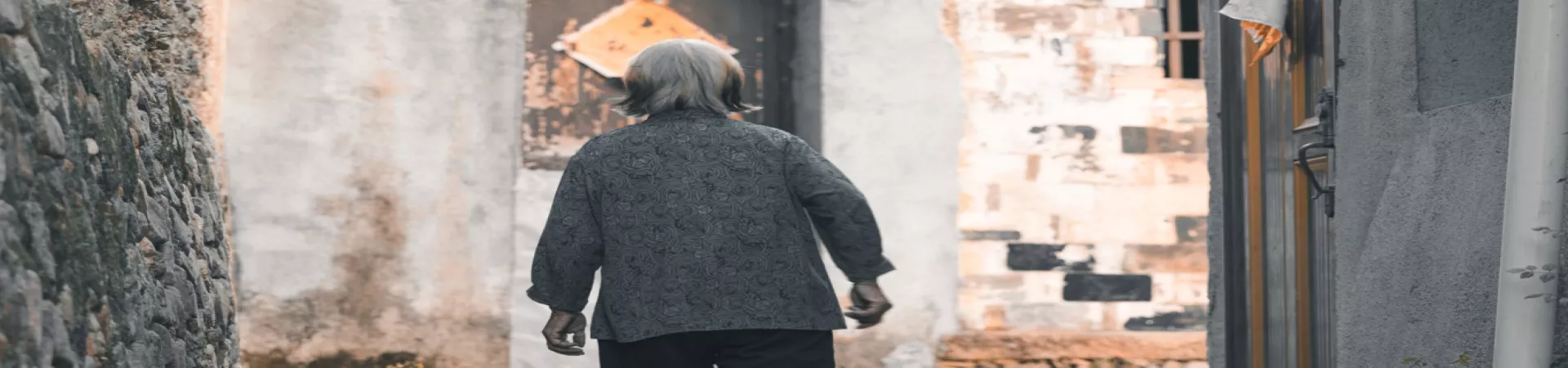
While the physical structures are awe-inspiring, the true essence of Heyang lies in its intangible cultural heritage. This is a place where history feels present. You may encounter elderly residents practicing time-honored crafts or sharing stories passed down through generations. The village is also a custodian of unique local folk traditions and operas, which are occasionally performed during festivals and special cultural events, offering a vibrant glimpse into the community's artistic soul. The surrounding landscape of the Xiandu Scenic Area, famous for its extraordinary pillar-like peaks, provides a stunning natural backdrop, reminding visitors that Heyang's beauty is a harmonious blend of human ingenuity and the majestic environment that has protected it for centuries. A stroll through its quiet lanes is therefore more than a sightseeing tour; it is a dialogue with the past, an appreciation of architectural philosophy, and a quiet participation in the ongoing story of a resilient community.