Guyan Painting Village
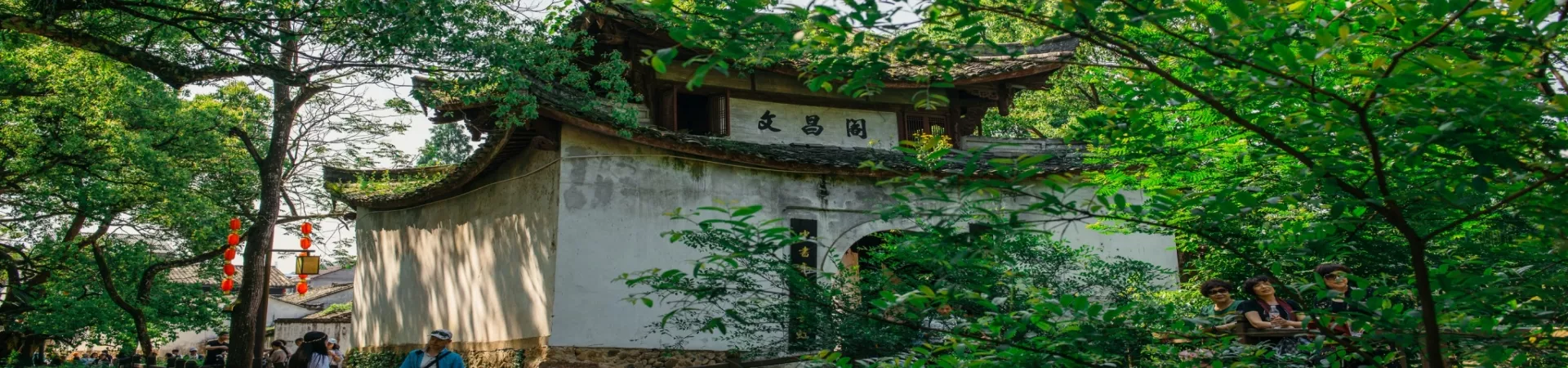
Subtitle: A Timeless Haven of Art and History on the Oujiang River
1. Introduction: Where Art Meets Antiquity Nestled in the southwestern part of Lishui City, Zhejiang Province, the ancient town of Guyanyan Huaxiang stands as a serene testament to China's rich cultural heritage and natural beauty. More than just a scenic spot, it has earned national acclaim as a premier base for artistic sketching and a core creative hub for photography, often referred to as the "Hometown of Chinese Photography." This unique destination seamlessly blends the grandeur of a millennia-old irrigation system with the intimate, living culture of a riverside art colony, offering visitors a profound journey through time and creativity.
2. The Dual Charms: Understanding the Two Core Areas The destination is conceptually and geographically divided into two interconnected yet distinct areas: the "Ancient Weir" (Guyan) and the "Painting Township" (Huaxiang). They are linked by the tranquil waters of the Oujiang River, best experienced via the included boat ride.
2.1. The Ancient Weir (Guyan) This area is the domain of history and engineering marvel. It is named after the Tongji Weir, an ancient, functioning irrigation system with a history stretching back over a thousand years. This hydraulic masterpiece, alongside clusters of millennia-old camphor trees whose sprawling roots and dense canopies whisper tales of centuries past, forms the foundational landscape. The area is a sanctuary of tranquility, where the focus is on contemplative walks among historical relics, including ancient stone inscriptions and the sites of age-old celadon kilns, all speaking to the region's enduring significance.
2.2. The Painting Township (Huaxiang) Centered around the old port town of Dagangtou, this area pulses with a vibrant, artistic energy. Dagangtou was once a crucial distribution center for river shipping in ancient Zhejiang, and its legacy is etched into the very stones of its riverside old street. Today, the town has transformed into the living heart of the "Painting Township." The old street, built directly along the riverbank, is lined with well-preserved traditional buildings that now house art studios, galleries, cafes, and craft shops. The most characteristic sight here is artists, both aspiring and established, setting up their easels by the water, capturing the timeless scenery of ancient houses, wooden boats, and misty hills. This constant creative activity imbues the air with a palpable, inspiring文艺气息 (artistic ambiance).
3. Practical Visitor Information To fully enjoy your visit, careful planning based on the following details is recommended.
3.1. Tickets and Admission A combined ticket including admission and the essential inter-area boat ride is the standard option. * Combined Ticket (Boat + Admission): 50 RMB for adults; 25 RMB for children. * Concessions (Admission only, boat ticket extra): Available for children with height between 1.2m and 1.5m, full-time university students, active military personnel, and teachers. Valid ID is required. * Free Admission (Boat ticket may still apply): Granted to children under 6 or with height ≤1.2m, seniors aged 70+ (with ID or senior citizen certificate), retired veteran cadres, journalists (with valid press card), and persons with disabilities.
Important Note: The free and concession policies typically apply only to the land admission fee. The boat transfer fee is usually separate and required for accessing both areas.
3.2. Opening Hours Operating hours vary seasonally: * Peak Season (June 1 - August 31): 08:00 - 17:00 (Last entry at 16:30). * Off-Peak Season (December 1 - February 28): 08:00 - 16:30 (Last entry at 16:00). It is advisable to verify times locally before your visit, as they may be subject to change.
3.3. Transportation and Access The two areas have separate access points, both reachable by public bus from Lishui city center. * To the Ancient Weir (Guyan) Area: Take bus routes 202, K202, 207, or K207. Alight at the "Guyan Scenic Area" bus stop. The entrance is approximately a 215-meter walk from the stop. * To the Painting Township (Huaxiang) Area: Take bus routes 203 or K203. Alight at the "Huaxiang Scenic Area" bus stop. The entrance to the old street is about a 685-meter walk from here.
3.4. Suggested Duration A full day is highly recommended to explore both the Ancient Weir and Painting Township areas at a leisurely pace. This allows ample time to appreciate the historical sites, enjoy the boat journey on the river, wander through the ancient streets, observe or even try your hand at sketching, and savor local cuisine at one of the riverside restaurants.
4. The Immersive Experience: Beyond the Sights A visit to Guyanyan Huaxiang is about immersion. It is the experience of standing beneath the majestic ancient camphor trees, feeling the cool breeze from the river, and hearing the gentle lap of water against age-old stone steps. It is the pleasure of strolling the flagstone paths of Dagangtou, where the scent of oil paint and freshly brewed tea mingles in the air. Engaging with the local artists, exploring small family-run workshops, and witnessing daily life continue amidst the postcard-perfect scenery are what make this destination truly special. The contrast between the serene, monumental quiet of the Ancient Weir and the lively, creative hum of the Painting Township creates a dynamic and unforgettable cultural tapestry, preserving the soul of ancient China while continuously celebrating it through modern artistic expression.
For further inquiries, you may contact the scenic area at 0578-2863703 or 0578-2966399.