Yimengshan Tourist Area Guimeng Scenic Area
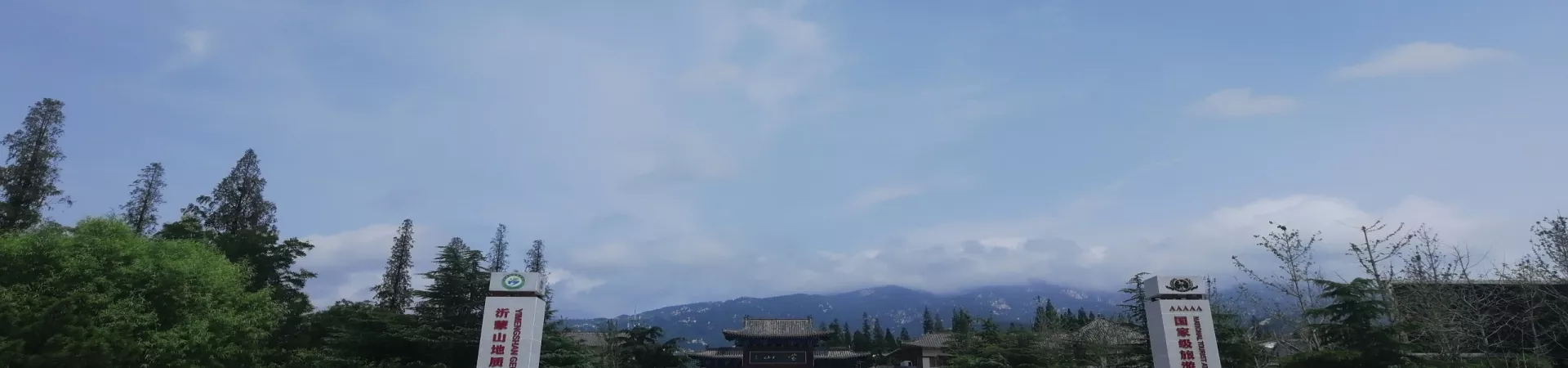
Subtitle: A Journey to the Summit of Longevity: Unveiling the Natural and Cultural Treasures of Guimeng Scenic Area in Yimeng Mountain Tourism Zone
1. An Introduction to the Sacred Mountain
Nestled in the western part of Linyi City, Shandong Province, the majestic Meng Mountain, historically known as Dongmeng or the Eastern Mountain, stretches over a hundred li from east to west. Its undulating peaks and ridges create a breathtaking landscape, crowned by the summit, Guimengding, which soars to an elevation of 1,156 meters. This peak stands not only as the highest point within the vast Yimeng Mountain range but also ranks as the second tallest mountain in Shandong Province. The Guimeng Scenic Area in Pingyi County is renowned for its exceptionally dense vegetation and pristine air. Scientific measurements indicate an astonishing concentration of negative oxygen ions, reaching approximately 2.2 million per cubic centimeter, a figure recognized as one of the highest in China. This extraordinary natural attribute has earned the area the well-deserved title of "Natural Oxygen Bar." The harmonious convergence of its mountains, waters, forests, and air forms an unparalleled ecological environment. This very synergy has nurtured the region's fame as a "Hometown of Longevity in China," a sanctuary celebrated for health preservation and a long, fulfilling life.
2. A Tapestry of History and Culture
2.1. Cradle of Ancient Civilization The significance of Guimeng extends far beyond its physical grandeur; it is a profound cultural wellspring. This region served as a central birthplace for the ancient Dongyi culture. During the Xia and Shang dynasties, the state of Zhuanyu was established here. Its cultural importance was further solidified in the Zhou Dynasty, when the Zhuanyu state was entrusted with the exclusive official worship and sacrificial rites dedicated to Meng Mountain, highlighting its sacred status in antiquity.
2.2. Inspiring Legends and Literary Giants The mountain's awe-inspiring beauty has captivated minds for millennia. The great philosopher Confucius, upon ascending Guimeng, was moved to sigh, "Having ascended the Eastern Mountain, the state of Lu appears small." This statement immortalized the mountain's perspective-altering grandeur. Throughout history, a constellation of luminaries including the poets Li Bai, Du Fu, and Su Shi, as well as emperors such as Emperor Xuanzong of Tang, the Kangxi Emperor, and the Qianlong Emperor, have all pilgrimaged to this site. They wandered its paths, drawing inspiration from its vistas, and left behind timeless verses and prose that echo through the ages.
2.3. Harmony of Spiritual Traditions The spiritual landscape of Guimeng is as rich as its natural one. The mountain has historically been a place where Taoism and Buddhism flourished side by side. Ancient temples and monasteries dot the slopes, their serene presence adding a layer of tranquil spirituality to the journey. The echoes of chanting and the quiet dignity of these historic sites speak to a long tradition of spiritual pursuit and reverence.
3. Exploring the Key Attractions
The Guimeng Scenic Area boasts over a hundred remarkable natural and cultural landmarks. A visit offers a journey through stunning geology, artistic human creation, and deep historical pathways.
3.1. The Summit and Iconic Peaks * Guimengding: The ultimate destination for many, this summit offers panoramic views that are the reward for the ascent. Standing atop Shandong's second-highest peak is an experience of profound accomplishment. * Yingwo Feng (Eagle's Nest Peak): A spectacular granite pinnacle that rises sheer and solitary, resembling a colossal stone bamboo shoot. It is a masterpiece of natural erosion and a symbol of the scenic area's dramatic geology. * Qun Gu Tan Hai (A Colony of Tortoises Exploring the Sea): This fascinating rock formation features numerous boulders that naturally resemble giant tortoises seemingly crawling towards a sea of clouds, creating a vivid and playful scene. * Weiren Feng (Great Man Peak) & Xiongshi Feng (Male Lion Peak): These peaks are named for their striking silhouettes that, from certain angles, resemble a revered historical figure and a majestic crouching lion, respectively, showcasing the mountain's sculptural qualities.
3.2. Cultural and Historical Sites * The World's Largest Mountain-Carved Longevity Star: The area's most famous modern landmark is this colossal bas-relief sculpture of the "Shou" (Longevity) star deity carved directly into the mountainside. Holding the Guinness World Record for the largest of its kind, it is a stunning testament to the region's association with health and long life. * Wanshou Palace (Palace of Ten Thousand Longevities): An ancient Taoist temple complex with origins dating back centuries. It stands as a central site for the cultural veneration of longevity and offers insight into the area's spiritual heritage. * Baiyunyan (White Cloud Cliff) & Mingguang Temple: These sites represent the area's deep Buddhist roots. The temple, set against a backdrop of striking cliffs, is a place of peace and historical continuity. * Jiulong Tan (Nine-Dragon Pool) & Mengshan Ancient Path: The pool is known for its clear, cascading waters, while the ancient stone-paved path whispers tales of countless travelers, pilgrims, and porters who have traversed these slopes for centuries.
4. Practical Visitor Information
4.1. Ticketing * Standard Ticket: 70 RMB (Applicable throughout the year, Monday to Sunday). * Note: Ticket prices are for reference only. Visitors are strongly advised to verify the latest official pricing on the day of their visit, as details are subject to change.
4.2. Opening Hours * Winter Season (December 1 - February 28/29): 08:30 - 16:00. Last admission is at 16:00. * Summer Season (June 1 - August 31): 08:10 - 17:20. Last admission is at 16:30. * Note: Operating hours for spring and autumn (March 1 - May 31 & September 1 - November 30) typically fall between these schedules. It is recommended to confirm exact times before planning your trip.
4.3. Suggested Visit Duration A comprehensive exploration of the Guimeng Scenic Area's main attractions requires a minimum of 3 to 4 hours. Visitors planning extensive hiking, particularly to the summit, or those wishing to immerse themselves in the cultural sites at a leisurely pace should allocate a full day.
4.4. Contact Information For the most current information regarding accessibility, weather conditions, or special events, you may contact the scenic area at: 0539-4406601.