Lanling National Agricultural Park
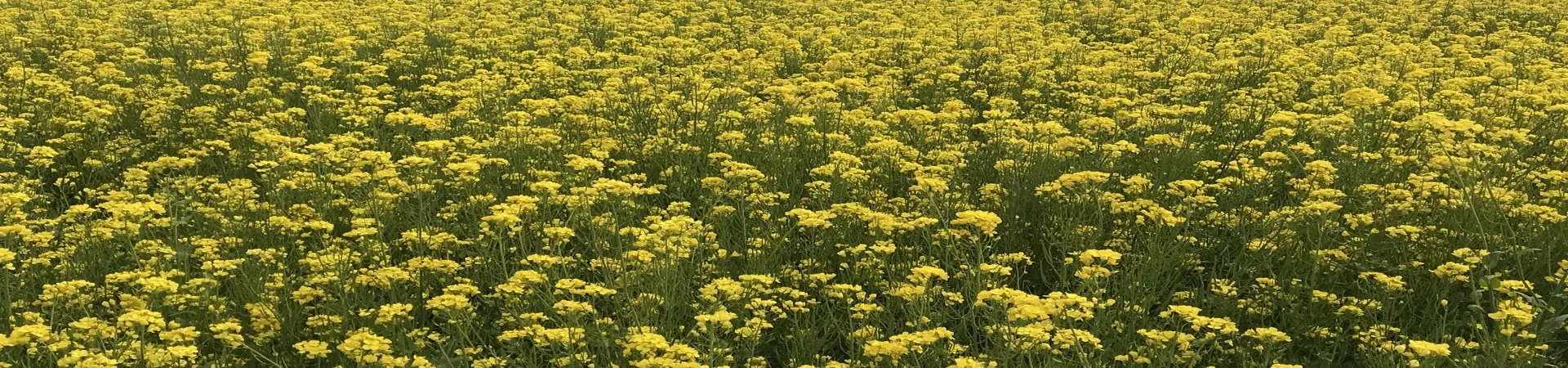
Subtitle: A Journey Through China's Premier Agricultural Tourism Destination
1. Introduction to Lanling National Agricultural Park
Nestled in Lanling County, Shandong Province, the Lanling National Agricultural Park stands as a monumental testament to modern agritourism and sustainable rural development. With a staggering total investment of 3 billion RMB, this expansive park spans an area of 620,000 mu (approximately 41,333 hectares), meticulously structured into three distinct zones: a 20,000-mu core area, a 100,000-mu demonstration zone, and a 500,000-mu radiation zone. This design facilitates an immersive experience that begins with concentrated attractions and extends its innovative agricultural influence across the wider region.
As a nationally accredited AAAA-level tourist attraction and honored as one of China's "Top Ten Leisure Farms" in 2014, the park occupies a unique niche. It successfully transcends the conventional definitions of an urban park, a simple农家乐 (rural family inn), a typical countryside scenic spot, or a folk-custom exhibition village. Instead, it pioneers the concept of a "National Agricultural Park," offering a sophisticated, large-scale integration of advanced agricultural technology, ecological education, cultural heritage, and leisure tourism.
2. Planning Your Visit: Practical Information
2.1. Operating Hours and Ticketing To ensure an optimal visit, careful attention to the seasonal operating schedule is advised. The park adjusts its hours to align with daylight and seasonal conditions.
- Spring & Summer Season (March 1st - May 31st):
- Opening Hours: 07:30 - 18:00
- Last Admission: 17:00
- Autumn Season (September 1st - November 30th):
- Opening Hours: 07:30 - 17:30
- Last Admission: 15:30
Visitors are strongly recommended to confirm the specific hours for their intended travel date, as schedules for other periods may vary. A notable ticketing policy is in effect from March 1, 2018, to February 28, 2023: high-level talents in possession of the "Shandong Huicai Card" are granted complimentary admission, reflecting the park's and province's commitment to attracting and honoring skilled professionals.
3. Exploring the Park's Core Attractions and Themes
3.1. Thematic Zones and Agricultural Showcases The park's immense core area is organized into a series of captivating thematic zones and high-tech pavilions. Visitors can explore sprawling fields of specific crops, stunning floral landscapes that change with the seasons, and state-of-the-art greenhouses. These facilities are not merely for display; they serve as live demonstrations of cutting-edge agricultural techniques, including soilless cultivation, automated climate control, and integrated pest management. Thematic exhibitions often focus on local specialties, telling the story of Lanling's agricultural heritage through immersive displays.
3.2. Integration of Technology, Ecology, and Culture A defining characteristic of Lanling National Agricultural Park is its seamless fusion of multiple elements. It functions as a living laboratory where biotechnology and smart agriculture are visibly applied. This technological showcase is balanced with a profound emphasis on ecology, featuring models of circular agriculture, water conservation, and biodiversity protection. Furthermore, the park deeply embeds the local cultural fabric. Elements of traditional Shandong rural life, historical narratives related to the region (such as the legacy of the ancient Lanling region), and folk art are interwoven into the landscape and visitor activities, providing a rich cultural context to the agricultural experience.
4. The Visitor Experience: Activities and Engagement
4.1. Educational and Interactive Encounters The park is designed to be deeply engaging for all ages. Educational tours explain the science behind the scenes, from seed propagation to harvest. Interactive workshops may allow visitors to participate in planting, harvesting, or traditional food processing activities. This hands-on approach transforms passive sightseeing into an active learning adventure, fostering a greater appreciation for the source of our food and the complexities of modern farming.
4.2. Leisure, Recreation, and Scenic Beauty Beyond education, the park offers abundant opportunities for relaxation and enjoyment. Carefully curated landscapes—from vibrant tulip fields and serene lotus ponds to artistic rice paddy designs—provide breathtaking backdrops for photography and leisurely strolls. Designated picnic areas, cycling paths, and charming cafés or restaurants featuring local produce allow visitors to unwind. Seasonal festivals, such as harvest celebrations or flower festivals, add a dynamic and festive atmosphere to the visit, making each trip potentially unique.
4.3. Economic and Social Impact Model The "core-demonstration-radiation" zone structure is integral to the park's mission. The core area attracts tourism and showcases ideals. The demonstration zone tests and validates profitable, sustainable farming models. Finally, the vast radiation zone represents the park's ultimate goal: to disseminate these advanced practices and technologies to surrounding farms and villages, thereby driving regional economic upgrading, increasing farmer incomes, and promoting rural revitalization. As a visitor, one witnesses a functioning model of how tourism and agriculture can synergize for broad socioeconomic benefit.