Ginkgo forest
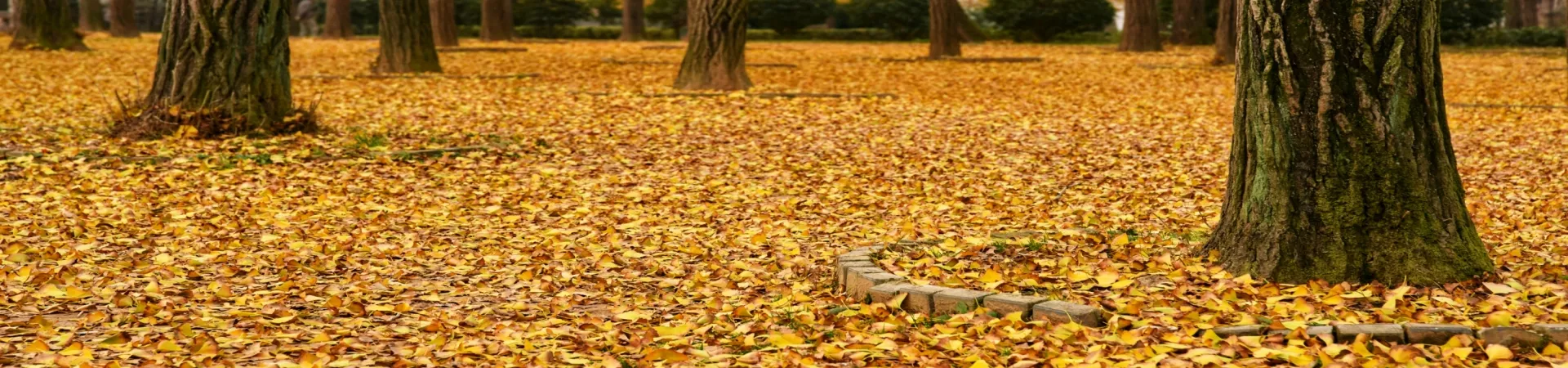
Subtitle: A Journey Through Time: Exploring the Ancient Ginkgo Forests of Linyi, China
Introduction: The Golden Legacy of Linyi
Nestled in the heart of Shandong Province, the city of Linyi holds a secret that transforms with the seasons—a breathtaking expanse of ancient ginkgo forests. These are not merely clusters of trees; they are living monuments, silent witnesses to centuries of history, whose brilliant golden foliage each autumn paints the landscape in a spectacle of nature's grandeur. The ginkgo biloba, often called a "living fossil," has survived for over 270 million years, and in Linyi, it finds one of its most majestic and accessible sanctuaries. A visit here is more than a scenic trip; it is an immersive walk through a golden-hued chapter of natural and cultural history, offering a profound sense of tranquility and a direct connection to the ancient world.
The Historical and Cultural Significance of the Ginkgo
2.1. Living Fossils and Local Lore The ginkgo trees of Linyi are deeply intertwined with the region's identity. Many of these giants are estimated to be hundreds of years old, with some revered specimens standing for over a millennium. These trees have been cherished by local communities for generations, often planted within the grounds of ancient temples, villages, and ancestral halls. They are symbols of longevity, resilience, and hope. Local folklore is rich with tales attributing mystical properties to these trees, viewing them as protectors of the land and its people. Their presence offers a tangible link to the past, where history is measured not just in dynasties but in the growth rings of these enduring beings.
2.2. The Ginkgo in Traditional Practices Beyond their symbolic value, every part of the ginkgo tree has been utilized in traditional Chinese culture. The fan-shaped leaves are iconic, while the nuts (baiguo) have been used in both cuisine and traditional medicine for centuries. In autumn, the sight of locals carefully collecting the fallen nuts around the ancient trees is a common and charming scene, reflecting a sustainable, time-honored relationship between the community and this natural resource. This deep-rooted cultural practice adds a layer of authentic human activity to the natural beauty, showcasing a heritage that continues to thrive.
A Guide to the Premier Ginkgo Destinations in Linyi
3.1. Tancheng Ginkgo Forest: The Golden Corridor The most renowned and spectacular site is undoubtedly the Tancheng Ginkgo Forest. Located in Tancheng County, this area boasts one of the largest concentrations of ancient ginkgo trees in the world. The centerpiece is the famed "Golden Avenue," a several-kilometer-long road flanked by towering ginkgo trees that form a magnificent, cathedral-like canopy.
- The Autumn Spectacle: From late October through November, this avenue becomes a transcendent experience. The leaves turn a uniform, vibrant gold, creating a dazzling tunnel of light. When the sun filters through, the entire path is bathed in a warm, ethereal glow. The ground is carpeted with a thick layer of golden leaves, producing a soft, rustling sound with every step.
- Visitor Experience: The scale here allows for leisurely strolls, photography, and quiet contemplation. The air is crisp and carries the distinct, faint scent of ginkgo. It is a paradise for photographers and nature lovers, with perspectives changing beautifully from dawn to dusk.
3.2. Laoshan Ginkgo Village: A Step Back in Time For a more intimate and culturally immersive experience, the ancient ginkgo trees in and around Laoshan Village are unparalleled. Here, the trees are not planted in orderly rows but are integrated into the very fabric of village life.
- Ancient Giants and Rural Life: Millennia-old ginkgo trees stand proudly beside traditional stone houses, their massive roots intertwining with old walls and courtyards. The sight of golden leaves cascading over grey-tiled roofs and into rustic farmyards is quintessentially picturesque.
- Cultural Immersion: This setting offers a glimpse into rural Shandong life. Visitors can observe daily activities unfolding in the shadow of these gentle giants, making it an ideal spot for cultural photography and understanding the symbiotic relationship between the people and the trees.
Practical Information for the Visit
4.1. Optimal Timing for Your Visit The golden season is brief and utterly dependent on weather conditions.
- Peak Period: The absolute best time to visit is typically from late October to mid-November. The exact timing can vary by a week or two each year, influenced by temperature and rainfall.
- Seasonal Considerations: Early morning or weekday visits are highly recommended to avoid larger crowds, especially at Tancheng. While autumn is prime, the ginkgo forests offer a different, lush green beauty in spring and summer, and a stark, elegant silhouette in winter.
4.2. Travel Logistics and Tips
- Getting There: Linyi is accessible via its own airport (Linyi Qiyang Airport) and high-speed rail connections from major cities like Jinan and Qingdao. The specific ginkgo sites, particularly Tancheng and Laoshan, are best reached by private car or hired taxi from Linyi city center, as public transport to the exact locations can be limited.
- On-Site Amenities: During the peak season, local vendors often set up stalls selling regional snacks, hot beverages, and ginkgo nuts. However, facilities can be basic. It is advisable to wear comfortable walking shoes, dress in layers for changeable weather, and carry water and snacks.
- Photography Advice: A wide-angle lens is perfect for capturing the grandeur of the Golden Avenue, while a macro lens can beautifully detail the intricate leaves and textures. The soft, golden light during "golden hour" (shortly after sunrise and before sunset) provides the most magical lighting conditions.
4.3. Responsible Tourism and Preservation These forests are fragile legacies. Visitors are urged to be mindful stewards: avoid climbing the trees, picking leaves, or littering. Sticking to designated paths helps protect the root systems. The preservation of this unique ecosystem ensures that the golden magic of Linyi's ginkgo forests will continue to inspire awe for generations to come, remaining a timeless destination where history, culture, and nature converge in a symphony of gold.