Mufu
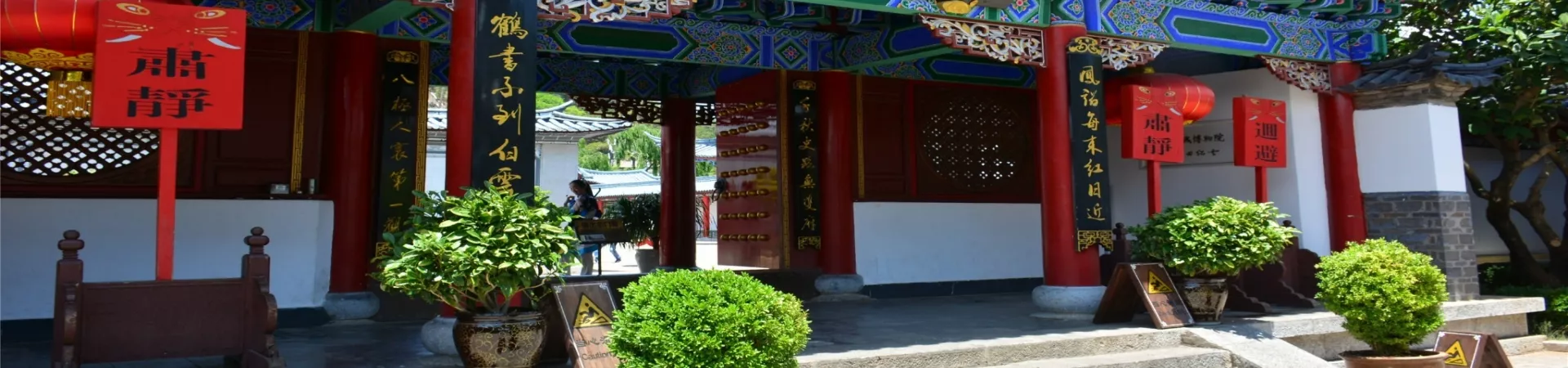
A Visitor's Guide to the Mufu Palace, Lijiang
Subtitle: The Forgotten Palace of the Naxi Kings
Nestled within the ancient, cobblestone lanes of Lijiang Old Town, a UNESCO World Heritage site, stands the Mufu Palace. More than just a collection of buildings, it is the resurrected heart of Naxi political and cultural power, a sprawling complex that whispers tales of a 470-year dynasty. To visit Lijiang and miss the Mufu is, as locals say, to have never truly visited Lijiang at all. It is the indispensable key to understanding the soul of this historic city.
1. The Historical Legacy: From Earth and Timber to Ashes and Revival
1.1. The Seat of the Mu Chieftains For over four centuries, from the Yuan Dynasty through the Ming and into the Qing, the Mufu served as the official residence, administrative headquarters, and cultural nucleus of the Mu family. The Mu chieftains were the de facto rulers of the Naxi people in the Lijiang region, governing with a unique blend of local tradition and loyal allegiance to the distant Chinese emperors in Beijing. The palace was the physical manifestation of their authority, prestige, and sophisticated governance.
1.2. A Phoenix Rising from the Flames The palace's history is a poignant narrative of glory, destruction, and rebirth. At its zenith, the complex was a magnificent spectacle of architectural artistry. However, much of this splendor was lost to the ravages of warfare during the late Qing and Republican periods. The remnants that survived faced a further devastating blow in the catastrophic 1996 Lijiang earthquake. What visitors see today is largely a meticulous, historically-informed reconstruction completed in 1999. This revival was not an act of fabrication but one of profound cultural resurrection, piecing together the fragments of memory, historical records, and archaeological evidence to restore a national treasure.
2. Architectural Splendor: A Symphony of Cultural Fusion
2.1. The "Forbidden City" of the Southwest Often poetically referred to as the "Forbidden City of the Southwest," the Mufu complex stretches along the eastern flank of Lion Hill. Its layout follows a distinct, purposeful axis from east to west, mirroring the grand planning of imperial Chinese palaces. This design was a deliberate political statement, symbolizing the Mu family's alignment with central imperial power while maintaining their regional autonomy.
2.2. A Tapestry of Styles The architecture of Mufu is its most eloquent language, telling a story of cultural convergence.
- 2.2.1. Ming Dynasty Grandeur: The overarching structural framework, the sweeping tiled roofs with their distinctive upturned eaves, and the symmetrical courtyard layouts are classic hallmarks of Ming Dynasty official architecture, imported from the Central Plains.
- 2.2.2. Naxi and Bai Craftsmanship: This Han Chinese skeleton is brought to life with the vibrant spirit of local ethnic groups. Intricate woodcarvings on doors, windows, and beams depict flora, fauna, and cultural symbols familiar in Naxi Dongba culture. The stunning stonework, courtyard landscaping, and decorative motifs also show significant influence from the Bai people, master builders renowned throughout Yunnan. The result is a harmonious blend where solemn imperial grandeur is softened and enriched by vibrant local artistry.
3. Navigating the Mufu: A Journey Through the Palace Grounds
3.1. Key Structures and Courtyards A walk through the palace is a sequential journey through power and ceremony. The complex is divided into distinct functional sections along the central axis.
- 3.1.1. The Administrative Quarter: The front sections housed the government offices where the Mu chieftains conducted public affairs, received officials, and dispensed justice.
- 3.1.2. The Residential Palaces: Deeper within lie the more private residential courtyards and chambers, including the living quarters for the chieftain's family, offering a glimpse into aristocratic Naxi life.
- 3.1.3. The Garden of Longevity: The pathway culminates at the rear in the exquisite Sanqing Hall and its accompanying Garden of Longevity (Wanshou Ting). Perched on the hillside, this garden provides the most breathtaking panoramic view of the entire Lijiang Old Town's sea of grey-tiled roofs, with the majestic Jade Dragon Snow Mountain framing the horizon—a view once reserved for the ruling family alone.
4. Essential Visitor Information
4.1. Planning Your Visit
- Location: The palace is situated within the Lijiang Old Town (Dayan Old Town). The main entrance is on Guanyuan Alley, a short walk from the central Sifang Street.
- Opening Hours:
- May 1st - October 7th: 08:30 - 18:00 (last entry at 18:00)
- October 8th - April 30th: 08:30 - 17:30 (last entry at 17:30)
- Suggested Duration: A thorough exploration requires 1.5 to 3 hours. This allows time to appreciate the architecture, visit the main halls, climb to the rear garden for the view, and understand the historical exhibits.
4.2. Tickets and Fees
- General Admission: Approximately 40 RMB per adult.
- Concessions (Half-price): Typically available for students (with valid ID) and seniors aged 65-69.
- Free Admission: Usually granted to children under 1.2 meters in height, seniors aged 70 and above, military personnel, and persons with disabilities (valid ID required).
- Important Note: Ticket prices and policies are subject to change. It is highly recommended to verify the latest information at the official ticket booth before your visit.
4.3. Getting There
- On Foot: The most immersive approach is to walk through the labyrinth of the Old Town from Sifang Street, following the signs to Mufu.
- By Public Bus: You can take bus number 23 and alight at the "Yulong County People's Hospital (Minzhu Road)" stop. From there, it is about a 1.2-kilometer walk to the Old Town and the palace entrance.
4.4. Enhancing Your Experience
- Guided Tours: Consider opting for the included guided tour (often available at scheduled times in multiple languages). The guides provide invaluable context, explaining the symbolism in the architecture and the fascinating history of the Mu family, bringing the silent stones to life.
- The View: Do not miss the climb to the rear garden. The vista from the Sanqing Hall terrace is arguably the finest in all of Lijiang Old Town.
- Contextual Visit: Pair your visit to Mufu with a broader exploration of the Naxi culture in the Old Town, such as learning about the Dongba script. This will deepen your appreciation for the palace as the apex of that culture's historical expression.
The Mufu Palace is more than a museum; it is a bridge across time. It stands as a testament to the Naxi people's rich history, their political acumen, and their unique ability to synthesize external influences into a distinctive and enduring cultural identity. Walking its halls and courtyards is an essential chapter in the story of any journey to Lijiang.