Lijiang Sifang Street
A Visitor's Guide to Lijiang's Historic Heart
Nestled within the ancient town of Lijiang, a UNESCO World Heritage Site, lies Sifang Street (四方街) – the vibrant, pulsating core from which the entire maze-like settlement historically grew and still revolves. More than just a central square, it is the living room of the old town, a dynamic stage for daily life, cultural exchange, and culinary discovery. This guide delves into the essence of Sifang Street, offering practical insights to help you navigate and fully appreciate its unique charm.
The Layout and Historical Significance
From Commercial Crossroads to Cultural Hub Sifang Street is not a conventional street but a spacious, open square paved with smooth, dark-toned flagstones. Its name, meaning "Square Street," perfectly describes its form. Historically, this was the primary marketplace and the crucial junction where the town's main arteries converged. The square ingeniously slopes slightly outward from its center, a design feature that allowed for efficient cleaning after the bustling market days—water would be released to wash the square clean, a testament to the advanced urban planning of the ancient Naxi people.
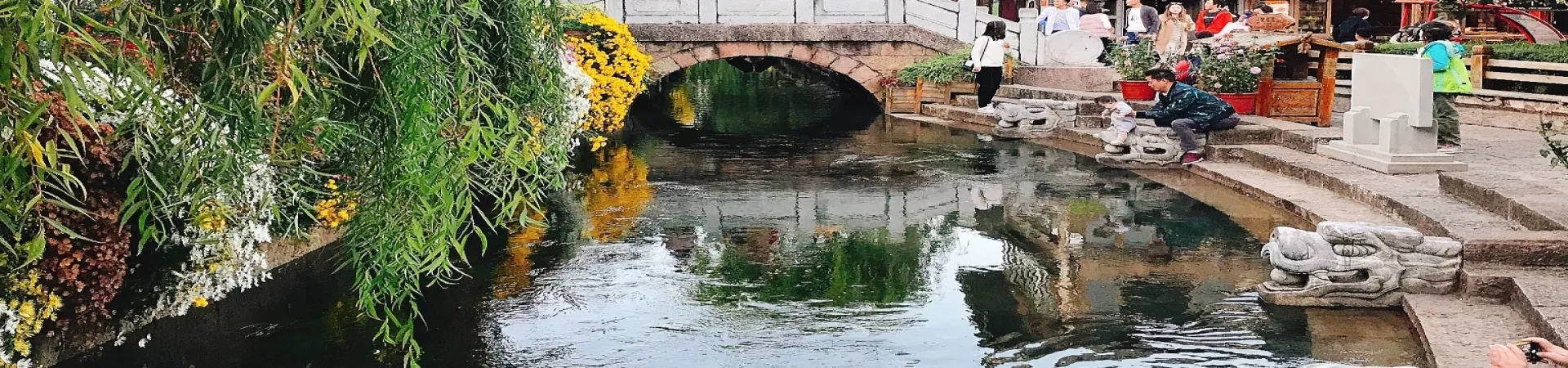
The Spokes of the Wheel: Connecting to Lijiang's Charms True to its name, the square extends into four main streets, each leading to different sections of the ancient town. This radial layout makes Sifang Street the perfect orientation point. Strolling out from the square, you can explore a labyrinth of cobblestone lanes, centuries-old wooden architecture, and a network of canals fed by the pristine waters from the nearby Black Dragon Pool.
A Feast for the Senses: Culinary and Social Delights
The Heart of Naxi Cuisine Sifang Street is famously known as the epicenter for local snacks and delicacies. The square itself and the immediate lanes radiating from it are lined with an enticing array of food stalls, small eateries, and restaurants.
- Local Specialties to Savor: This is the ideal place to embark on a gastronomic adventure. Must-try Naxi specialties include Lijiang Baba (a savory or sometimes sweet flatbread), rich and flavorful Naxi Grilled Fish often wrapped in fragrant herbs, and the iconic Yunnan-style rice noodles. The air is perpetually filled with enticing aromas, inviting visitors to sample everything from freshly made jian shui (fried cheese) to various wild mushroom dishes, depending on the season.
- Casual and Continuous Exploration: You don't need a strict plan here. The joy lies in wandering, watching food being prepared, and following your nose. It’s a continuous, open-air food festival that operates from morning until late at night.
From Daytime Serenity to Nighttime Revelry The atmosphere around Sifang Street transforms dramatically as the day progresses, offering two distinct experiences.
- Morning Traditions: Visit in the early morning, and you might witness a beautiful local tradition. It is common to see groups of Naxi residents, often elders, gathering in the square to perform traditional Naxi dances. This peaceful, communal activity offers an authentic glimpse into the local culture before the tourist crowds arrive.
- Evening Energy and Nightlife: As dusk falls, the area takes on a new energy. Adjacent to Sifang Street, the renowned Xinhua Street (Bar Street) comes alive. Lined with a multitude of bars, cafes, and music venues, it becomes a corridor of light and sound. Lanterns and neon signs glow, and the sound of live music—from traditional Naxi melodies to modern pop—spills into the streets. Furthermore, in the evenings, especially during tourist season or festivals, you may find locals and visitors alike joining hands for a Guozhuang dance around a central bonfire or gathering point, a spirited Tibetan circle dance that embodies communal joy.
Essential Visitor Information
Planning Your Visit
- Opening Hours: Sifang Street and the surrounding ancient town area are accessible 24 hours a day, every day of the year. The experience, however, changes markedly between day and night.
- Admission Fee: There is no entrance fee to access Sifang Street or the Lijiang Ancient Town itself.
- Suggested Duration: Allocate 1 to 3 hours to fully experience Sifang Street. This allows time to linger in the square, explore the immediate food stalls, watch the dancing, and take in the ambiance. It can easily serve as a starting or resting point for a longer exploration of the ancient town's alleys.
Getting There
The most common and scenic approach is on foot through the ancient town's lanes. For those coming from outside the old town: * By Bus: Take Bus No. 23 and alight at the Yulong County People's Hospital (Minzhu Road) stop. From there, it is approximately a 1.5-kilometer (about 1 mile) walk through parts of the modern city to the entrance of the ancient town, from which you can navigate to Sifang Street. * By Taxi/Rideshare: Taxis cannot enter the ancient town. They will drop you at one of the main town entrances (e.g., the Water Wheel Square at the north entrance), and you will need to walk the remaining distance through pedestrian-only streets to reach Sifang Street.
Final Tips for an Enjoyable Experience
- Sifang Street is extremely popular and can get very crowded, especially during evenings, weekends, and Chinese holidays. For a more tranquil experience, aim for a morning visit.
- Wear comfortable walking shoes, as the stone paving can be uneven and you will likely do a lot of walking.
- While the square is free, bring cash or ensure your mobile payment apps (WeChat Pay, Alipay) are set up, as most small vendors prefer this method.
- Be respectful when observing or photographing local cultural activities like the morning dances.
- For the most current information on specific events or conditions, it is always advisable to check with local tourist information centers upon arrival.
Information last updated: April 2023.