Old Town of Lijiang
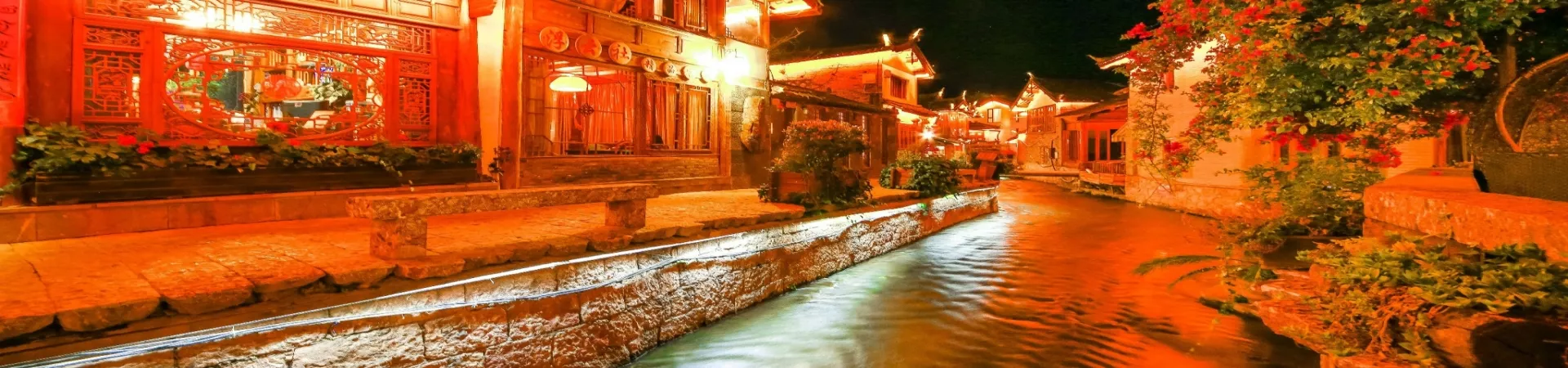
A Tapestry of History and Culture: The Old Town of Lijiang
Nestled in the heart of Yunnan Province, the Old Town of Lijiang stands as a breathtaking testament to centuries of history, cultural fusion, and architectural harmony. As one of the most renowned towns along the ancient Tea Horse Road, its story spans over eight to nine hundred years. Walking its cobblestone pathways is akin to stepping back in time, where the whispers of caravan traders seem to linger in the air. The town's unique charm lies in its seamless integration with the natural landscape; from the bustling East Street, one can lift their gaze to behold the majestic, snow-capped peaks of the Jade Dragon Snow Mountain in the distance. This perfect framing of human creation within nature's grandeur is the first hint of Lijiang's extraordinary character.
A UNESCO World Heritage Site of Unparalleled Character
The Old Town of Lijiang holds the distinguished honor of being one of only two ancient towns in China successfully inscribed on the UNESCO World Heritage List as an entire entity. This recognition underscores its exceptional universal value. It represents a pinnacle of Chinese vernacular architecture, showcasing a distinctive style and character developed by the Naxi people and influenced by a confluence of cultures over the ages. The town's layout, a sophisticated network of waterways, bridges, and alleyways that defies rigid grid plans, its unique timber-and-tile construction, and its vibrant community life form an irreplaceable cultural asset.
The Historical Heart: From "Dayan" to Modern Lijiang
The town's history began to take substantial shape during the Southern Song Dynasty. By the Ming Dynasty, it was known as "Dayan Xiang" – a name deeply poetic and descriptive. "Dayan" translates to "large inkstone," a moniker inspired by the town's geographical setting. Situated in the center of the Lijiang Basin, it is cradled by a ring of verdant mountains. The fertile land, crisscrossed by meandering streams and rivers, was seen as resembling a lush, green jade inkstone resting on a painter's table. This name, Dayan, is still used affectionately today and perfectly captures the town's essence as a place where culture, art, and nature have long intermingled.
Architecture and Ambiance: A Living Museum
The Water Network: The Town's Lifeline The ancient wisdom of the Naxi people is most vividly displayed in the town's sophisticated water system. Channels from the Black Dragon Pool and other springs are diverted through the town in three main streams, which then subdivide into countless smaller canals. These waterways run alongside streets, under bridges, and even through private courtyards. The sound of flowing water is a constant, soothing companion to any stroll. This network provided essential water for daily life, fire protection, and irrigation, and today it contributes immeasurably to the town's serene and picturesque atmosphere.
Residential Dwellings: Harmony in Timber and Stone The residential architecture is a defining feature. Traditional houses are typically two-story structures built with a wooden frame, brick and earth walls, and elegant grey-tiled roofs. The layout often centers on a courtyard, providing a private outdoor space for families. Intricately carved wooden panels on doors, windows, and beams depict floral motifs, cultural symbols, and auspicious characters, showcasing exquisite local craftsmanship. The use of local materials and adaptive designs for the high-altitude climate demonstrates a profound respect for the environment.
Bridges and Alleyways: Navigating the Maze A web of narrow, cobbled lanes radiates from the central market square, Sifang Street. These alleyways, paved with multi-colored stones, are lined with shops, cafes, and homes. Over 350 small, stone bridges of various styles—from simple slab bridges to more ornate arched ones—cross the waterways, earning Lijiang the nickname "the Town of Bridges." Getting lost in this labyrinthine network is not a misfortune but a delight, leading to unexpected courtyards, quiet streams, and intimate glimpses of local life.
Cultural Crossroads and Cinematic Backdrop
For centuries, Lijiang was a crucial hub on the Tea Horse Road, the ancient trade network linking Yunnan and Sichuan with Tibet. This role made it a vibrant cultural melting pot, where influences from the Han Chinese, Tibetan, Bai, and other ethnic groups blended with the indigenous Naxi culture. This rich heritage is palpable in the music, festivals, and daily rhythms of the town. Its unparalleled beauty has also made it a favored location for filmmakers. Popular Chinese television series such as "One Meter of Sunshine" and "Mu Fu Feng Yun" (The Turbulence of the Mu Mansion) were shot here, using the ancient streets, the majestic Mu Residence, and the stunning mountain backdrop to bring their stories to life, further cementing Lijiang's image in the popular imagination.
Practical Information for Visitors
Transportation: How to Get There Reaching the Old Town is straightforward. Several public bus routes serve the area. You can take bus #4 or #18 and alight at Zhongyi Market, followed by a roughly 1-kilometer walk. Alternatively, buses #2 or #13 stop at the Ancient Town Parking Lot, and bus #7 stops at the Department Store (Baihuo Dalou), both allowing entry from the ancient North Gate. For access via the South Gate, take bus #2, #3, or #12 and get off at Nanmen Street Station.
Admission and Fees Entry into the Old Town of Lijiang itself is free of charge. However, visitors should note that a Ancient Town Maintenance Fee of 50 RMB is required for entry into certain specific attractions within the greater Lijiang area, most notably the Black Dragon Pool Park and the Baisha Mural area. This fee is often collected by local guesthouses and hotels upon check-in. It can also be purchased at the main gates of the old town and at the ticket offices of the relevant scenic spots. Keep your receipt, as it may be requested for entry to sites like the Jade Dragon Snow Mountain scenic area, the Mu Family Mansion (Mu Residence), and the Black Dragon Pool Park.
Opening Hours and Contact The Old Town is an open living community, accessible to visitors 24 hours a day, every day of the year. The atmosphere transforms from the lively bustle of daytime to the softly lit, musical evenings, offering different charms around the clock. For general inquiries, you can contact: 0888-5111118.
Information last updated: August 5, 2023.