Blue Moon Valley
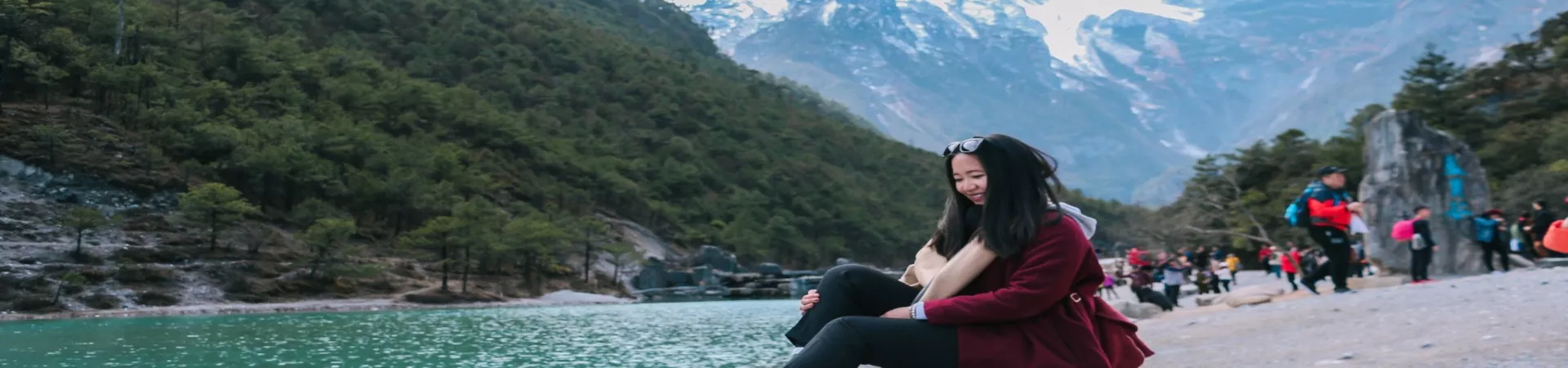
Subtitle: A Gem at the Foot of the Jade Dragon Snow Mountain
1. Introduction to Blue Moon Valley
Nestled on the eastern foothills of the majestic Jade Dragon Snow Mountain, between Ganhaizi and the southern edge of Yunshanping (Spruce Meadow), lies the breathtaking Blue Moon Valley. Known to earlier generations as the "White Water River," this destination has transformed into one of Lijiang's most iconic and photogenic landscapes. Its story begins with the eternal snows of the mountain range, whose meltwater carves a path of pristine beauty through the rugged terrain, culminating in a serene valley that captivates every visitor with its ethereal colors and tranquil atmosphere. More than just a scenic spot, Blue Moon Valley serves as a vivid testament to nature's artistry, where water, mineral, and light perform a silent, harmonious dance.
2. The Genesis of Azure: Formation and Naming
2.1. From Glacial Melt to Riverine Wonder The lifeblood of Blue Moon Valley is the Jade Dragon Snow Mountain. The glacier meltwater, pure and icy cold, journeys down the steep cliffs and gathers in the upper reaches of the deep valley. This process results in a river that is remarkably clear and refreshingly sweet, a literal river of "jade liquid" flowing from the mountain's heart. The valley itself acts as a natural basin, cradling this precious water and allowing its unique characteristics to manifest.
2.2. The Inspiration Behind the Name The name "Blue Moon Valley" is a poetic encapsulation of its visual splendor. On clear, sunny days, the water absorbs and reflects sunlight in a way that produces a stunning, vivid azure hue. This intense blue, set against the backdrop of the valley's distinct crescent-moon shape, creates the unforgettable illusion of a giant, serene blue moon resting peacefully at the foot of the towering, snow-capped peaks. This striking imagery replaced its older, more literal name, "White Water River," capturing the imagination of all who see it.
3. The Four Emerald Lakes: A Walk Through the Valley's Heart
As the turquoise river meanders through the valley, it encounters natural obstructions, forming four principal lakes that are the centerpiece of any visit. Each lake possesses its own character and charm, often referred to by evocative names that hint at their beauty.
3.1. The Jade Liquid Lake (Yuye Hu) Often the first lake encountered, its waters are so clear and luminously green-blue that they resemble molten jade. It sets the tone for the valley's otherworldly palette, inviting contemplation of the mineral-rich waters sourced directly from the mountain glaciers.
3.2. The Mirror Pond Lake (Jingtan Hu) True to its name, this lake's surface is often placid, creating a perfect mirror that reflects the sky, clouds, and the formidable face of the Jade Dragon Snow Mountain. It is a favorite spot for photography, offering a symmetrical masterpiece of nature.
3.3. The Blue Moon Lake (Lanyue Hu) Considered the quintessential lake that gives the valley its overarching name, this body of water typically exhibits the deepest and most iconic shade of blue. Standing here, one fully appreciates the "blue moon" analogy, surrounded by lush greenery and the mountain's grandeur.
3.4. The Listening-to-Waves Lake (Tingtao Hu) Where the water flows more actively over rocks or small cascades, it produces a gentle, soothing sound. This lake offers an auditory experience to complement the visual feast, a place to sit and listen to the valley's quiet melody.
4. Practical Information for Your Visit
4.1. Location and Access Blue Moon Valley is an integral part of the Jade Dragon Snow Mountain scenic area, located in Lijiang, Yunnan Province. Visitors typically access the valley via eco-friendly shuttle buses from the main tourist center within the mountain park.
4.2. Admission and Tickets There is no separate entrance fee for Blue Moon Valley. Access is included in the overall entrance ticket for the Jade Dragon Snow Mountain scenic area. It is highly advisable to purchase tickets in advance during peak seasons. The park operates a comprehensive ticket system covering its main attractions.
4.3. Opening Hours The valley is generally open to visitors from 8:00 AM to 4:00 PM, daily throughout the year. These hours are subject to change based on weather conditions, seasonal daylight, and park management policies. It is recommended to start your visit early to avoid crowds and enjoy the morning light on the water.
4.4. Suggested Duration A visit to Blue Moon Valley typically requires 1 to 3 hours. This allows sufficient time to walk along the well-maintained boardwalks and paths connecting the lakes, take numerous photographs, and simply absorb the peaceful ambiance. The duration can extend for those wishing to engage in deeper exploration or photography.
4.5. Travel Tips and Considerations * Best Time to Visit: Clear days are essential to witness the famous brilliant blue colors. Spring and autumn offer the most stable weather with comfortable temperatures. * Altitude Awareness: The valley sits at a high altitude (over 2,500 meters). Visitors should pace themselves, stay hydrated, and be mindful of potential symptoms of altitude sickness. * What to Bring: Sun protection (sunscreen, hat, sunglasses) is crucial due to strong UV rays at high altitude. Wear comfortable walking shoes and carry a light jacket, as weather can change rapidly. * Photography Advice: The hours around midday often provide the best light for capturing the water's vibrant colors. A polarizing filter can help reduce glare and enhance the saturation of the blue and green hues. * Environmental Responsibility: As a protected natural site, it is imperative to stay on designated paths, dispose of all trash properly, and avoid touching or entering the delicate water systems to help preserve its pristine condition.
Information update reference: 2023-08-09