Baisha Ancient Town
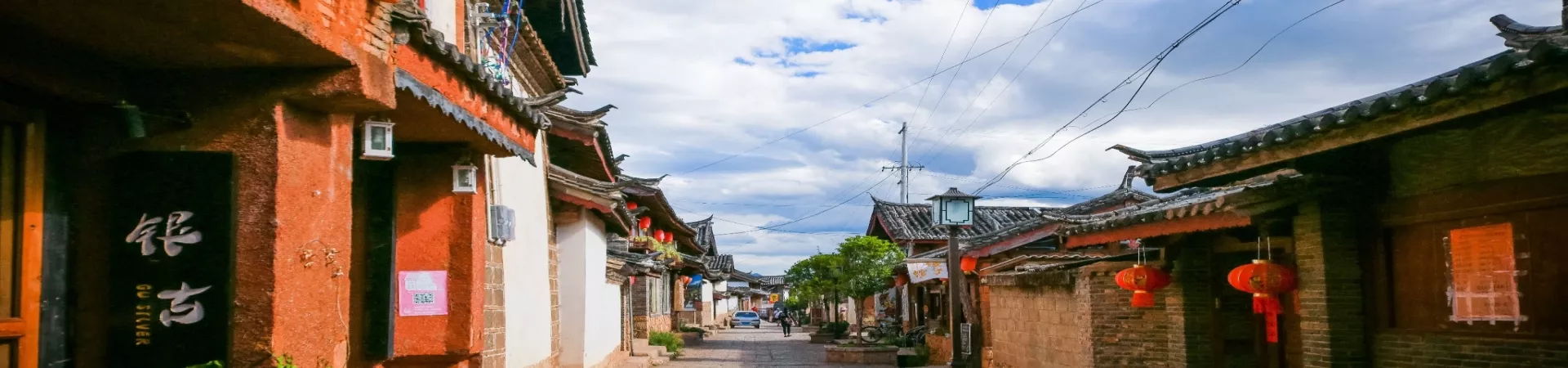
Subtitle: A Timeless Gateway to Naxi Culture and Tranquility Beneath the Jade Dragon Snow Mountain
Introduction Nestled at the foot of the majestic Jade Dragon Snow Mountain, Baisha Old Town stands as the often-overlooked cradle of Lijiang's history and culture. Long before the bustling streets of Dayan (Lijiang Old Town) and the commercial charm of Shuhe came into prominence, Baisha served as the political, economic, and cultural epicenter for the Naxi people in the Lijiang basin. Today, it offers a profoundly different experience: a serene, authentic, and intimate window into the soul of the Naxi heritage, largely untouched by the overdevelopment seen elsewhere. For travelers seeking to move beyond the postcard imagery and connect with the enduring spirit of a place, Baisha is an essential and rewarding destination.
The Essence of Baisha: Authenticity and Atmosphere A Living Heritage Site Unlike its more famous counterparts, Baisha has consciously retained its original character and scale. The pace of life here is deliberately slow, governed by the rhythms of the local community rather than tourist schedules. The town's layout, its traditional Naxi courtyard houses built with stone and wood, and the daily lives of its residents present an unfiltered glimpse into the past. This authenticity is Baisha's greatest charm. Visitors can wander through its quiet, flagstone-paved lanes without the crowds, where the most prominent sounds are often the chatter of locals and the breeze whispering from the mountain slopes.
A Panoramic Backdrop: The Jade Dragon Snow Mountain One of Baisha's most breathtaking features is its uninterrupted, panoramic view of the Jade Dragon Snow Mountain. From almost any point in the town, one can look up and see the snow-capped peaks towering against the sky. This constant, majestic presence adds a layer of awe and tranquility to the experience, connecting the town's cultural history directly with the natural grandeur that has shaped it.
Cultural and Historical Treasures The Baisha Murals: A Fusion of Artistic Traditions Historical Significance and Creation The town's most celebrated cultural treasure is the collection known as the Baisha Murals. These are not mere decorations but profound historical documents painted onto the walls of several ancient temples, most notably in the Dabaoji Palace and the Liuli Temple. Their creation spanned over 300 years, from the early Ming Dynasty to the early Qing Dynasty, reflecting a period of rich cultural exchange in Lijiang.
Artistic and Religious Synthesis What makes these murals exceptionally significant is their unique syncretism. They vividly depict themes and figures from Tibetan Buddhism, Han Chinese Buddhism, Taoism, and the indigenous Naxi Dongba culture, all within a single composition. This harmonious blend of artistic styles and religious iconography is a testament to the open and inclusive nature of the local Naxi rulers during the Ming era, who facilitated a remarkable dialogue between different civilizations along the Tea Horse Road. Studying these murals offers deep insights into the region's complex spiritual landscape and social history.
The Dongba Culture Connection Baisha serves as an excellent introduction to the enigmatic Dongba culture, the ancient spiritual practice of the Naxi people. The imagery and symbols found in the murals, as well as the general atmosphere of the town, are deeply intertwined with Dongba beliefs. While the murals themselves represent a formal, imperial-sponsored art form, they share a symbolic language with the more esoteric Dongba pictographic scriptures.
The Baisha Experience: Immersion and Interaction Leisure and Unhurried Exploration A visit to Baisha is best undertaken with a mindset of leisure. There are no must-see checklists to rush through. The primary activity is simply to be present. Visitors can spend hours meandering through the narrow lanes, discovering small, family-run shops selling handmade crafts, or observing local artisans at work.
Local Encounters and Tea House Culture Simple Pleasures and Authentic Encounters A quintessential Baisha experience involves finding a seat at a humble street-side tea house. Here, you can sip on local varieties of tea, such as Pu'er, and watch the world go by. It is in these unassuming settings that spontaneous interactions occur. Engaging with local elders, perhaps an "Lao Ama" (old grandmother), even through a language barrier of smiles and gestures, can be a heartwarming and genuine cultural exchange. This easy, unstructured social interaction is where the town's friendly and unhurried spirit truly shines.
Practical Information for Visitors Getting There The most straightforward way to reach Baisha from Lijiang is by public bus. Take Bus No. 6 and alight at the "Baisha Township People's Government" bus stop. From there, the old town is within easy walking distance. Taxis or private hire cars are also available for a more direct journey.
Admission and Opening Hours General Access Admission to Baisha Old Town itself is free, and the town is accessible to wander 24 hours a day, throughout the year.
Baisha Murals Ticket Access to view the famous Baisha Murals requires a separate ticket. The fee is approximately 20 RMB per person. It is highly advisable to check for any updates on pricing or opening times for the mural halls upon arrival, as this information can be subject to change.
Suggested Duration To fully appreciate the tranquility and depth of Baisha, a visit of 2 to 4 hours is recommended. This allows sufficient time for a leisurely walk, viewing the murals, and enjoying a relaxing break in a local café or tea house. It can easily be combined with a visit to the nearby Shuhe Old Town or as a starting point for explorations towards the Jade Dragon Snow Mountain.
Information last updated: August 2023.