Chinese Water Ancient City
Subtitle: A Timeless Voyage Through China's "Venice of the North"
1. Introduction: The Phoenix Rises from the Waters
Nestled in the heart of Shandong Province, the city of Liaocheng holds a unique treasure: the Chinese Water Town (Zhonghua Shuishang Gucheng). More than just a historical site, this ancient city is a living testament to human ingenuity and resilience, famously known as the "Phoenix City" for its legendary ability to rise, renewed, from challenges. Its defining characteristic is its magnificent and ancient canal system, which doesn't merely surround the city but flows through its very veins, integrating seamlessly with the street layout. This harmonious blend of architecture, history, and watercraft creates an enchanting atmosphere, offering visitors a serene yet profound journey back in time along tranquil waterways and through centuries-old stories.
2. Historical and Architectural Grandeur
2.1. A Legacy Forged by Water and Commerce The history of the Chinese Water Town is inextricably linked to the Grand Canal, a UNESCO World Heritage Site. During the Ming and Qing dynasties, Liaocheng flourished as a pivotal commercial hub along this vital artery. The ancient town, with its chessboard-style street plan centered around the iconic Guangyue Tower, served as the bustling heart of this activity. The canals were its lifelines, transporting goods, people, and cultures, which contributed to a period of remarkable economic and cultural prosperity. The town's layout itself is a masterpiece of urban planning from that era, designed to facilitate both defense and trade.
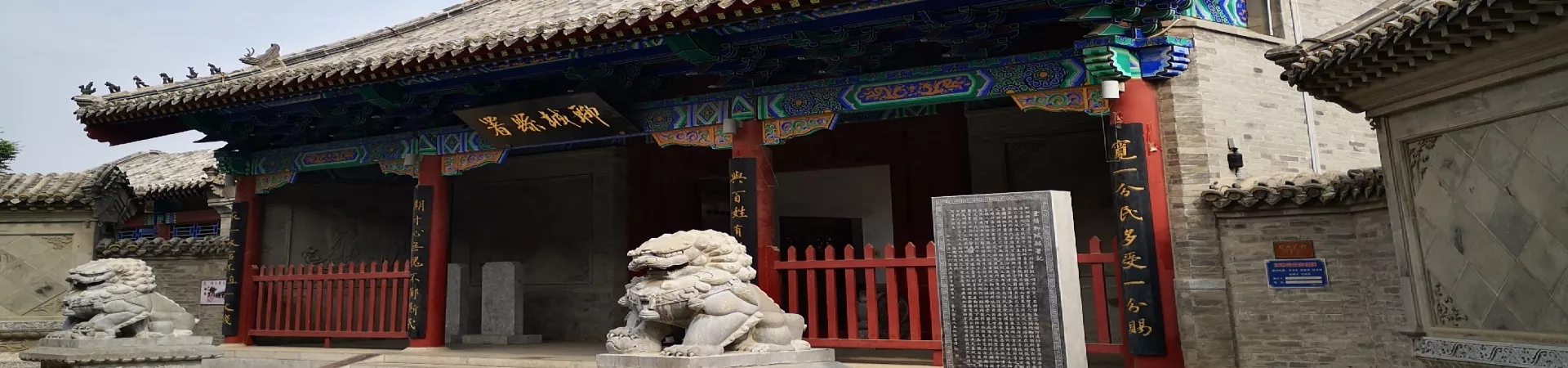
2.2. Architectural Harmony: Where Stone Meets Stream The town's architecture presents a captivating panorama of northern Chinese styles from the Ming and Qing periods. The buildings are characterized by their grey bricks, black tiles, and elegantly simple wooden structures. What sets them apart is their direct relationship with the water. Many residences and shops feature stone steps leading down to the canals, private docking areas, and windows that open directly onto the flowing streams. Key historical structures include: * Guangyue Tower: The symbolic centerpiece of the ancient city, this towering wooden structure offers panoramic views of the entire water town and its intricate canal network. * Ancient Government Offices: These well-preserved compounds provide insight into the administrative life and judicial systems of imperial China. * Traditional Courtyard Homes (Siheyuan): Several restored courtyards along the canals allow visitors to appreciate the domestic architecture and lifestyle of prosperous merchant families, where the gentle sound of water was a constant backdrop.
3. The Immersive Visitor Experience
3.1. Navigating the Aquatic Lanes The quintessential Water Town experience is a boat ride along its calm, green-tinged canals. Gliding silently in a wooden punt, propelled by a boatman with a long pole, visitors pass under low, arched stone bridges adorned with carvings. The perspective from the water is transformative, revealing the elegant foundations of ancient walls, the reflections of weeping willows and traditional eaves in the water, and glimpses of daily life unfolding along the banks. Each bridge and turn reveals a new, picture-perfect scene of timeless beauty.
3.2. Strolling the Ancient Alleys Complementing the water journey is exploration on foot. The main streets and narrow, winding alleys (hutongs) are lined with shops, tea houses, and snack stalls. The atmosphere is one of relaxed authenticity. Here, visitors can: * Sample Local Delicacies: Savor traditional Shandong snacks such as savory pancakes, braised dishes, and various noodle soups. * Discover Local Crafts: Find shops selling handmade items, traditional textiles, and locally produced vinegar, another of Liaocheng's famous products. * Visit Cultural Exhibitions: Small museums and cultural halls scattered throughout the town detail the history of the Grand Canal, local customs, and the engineering marvel of the water town itself.
3.3. Cultural Vibrancy and Festivals The Chinese Water Town is not a static museum. It pulses with cultural life throughout the year. Traditional performances, such as local opera or storytelling, are often held in public squares or teahouses. During major Chinese festivals like the Lantern Festival or Mid-Autumn Festival, the town is spectacularly decorated. The canals become pathways for floating lanterns, and the streets host vibrant parades and folk activities, creating a magical fusion of historical setting and living tradition.
4. Practical Information for Planning Your Visit
- Opening Hours: The exterior canals, streets, and public squares of the ancient town are accessible to visitors 24 hours a day, every day of the year. This allows for beautiful experiences at different times, from sunny daytime explorations to enchanting evening walks when the buildings and bridges are softly illuminated. Specific attractions within the town, such as Guangyue Tower or certain museums, may have their own operating hours, typically from approximately 8:30 AM to 5:30 PM.
- Contact: For specific inquiries regarding organized tours, special events, or particular venues, you may contact the local tourism administration at +86 635 7220702.
- Best Time to Visit: Spring (April-May) and Autumn (September-October) offer the most pleasant weather, with comfortable temperatures and clear skies. Early mornings on weekdays are generally less crowded, providing a more peaceful experience.
- Accessibility: The main streets are paved and relatively flat, but some of the older alleyways and bridges have stone steps, which may pose challenges for visitors with mobility impairments. The boat rides, however, offer a comfortable and comprehensive alternative for sightseeing.
The Chinese Water Town of Liaocheng is a destination where history is not just seen but felt and heard in the gentle lapping of water against ancient stone. It is a place of serene beauty, architectural wonder, and a profound connection to China's illustrious past as a center of commerce and culture. A visit here is a peaceful, immersive escape into a world where time seems to flow as steadily and gracefully as its own venerable canals.