Shanshan Guild Hall
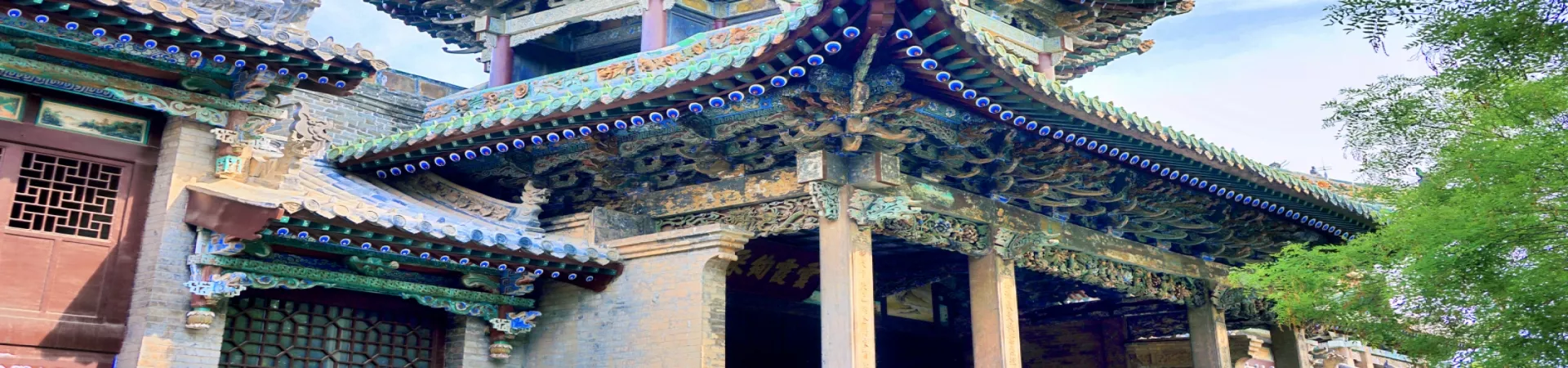
Subtitle: A Journey Through Time: Exploring the Architectural Grandeur and Historical Legacy of Liaocheng's Shan-Shaan Guild Hall
Introduction: A Merchant's Legacy in Stone and Wood
Nestled within the historic canal city of Liaocheng in Shandong Province, the Shan-Shaan Guild Hall stands not merely as a static museum piece, but as a vibrant, whispering testament to a bygone era of immense commercial prowess and cultural exchange. Constructed between 1743 and 1814 during the Qing Dynasty, this architectural complex served as the pivotal hub for wealthy merchants and sojourners from Shanxi and Shaanxi provinces. Far more than a business address, it was a multifunctional sanctuary—a place of assembly, worship, negotiation, and communal support for those navigating the lucrative yet challenging trade routes connected by the Grand Canal. Today, it is celebrated as one of the best-preserved and most artistically significant guild halls in all of China, offering visitors an unparalleled glimpse into the socio-economic fabric of imperial China and the exquisite craftsmanship of its artisans.
I. Historical Context and Purpose
A. The Grand Canal: Artery of Commerce The rise of the Shan-Shaan Guild Hall is inextricably linked to the Grand Canal, a UNESCO World Heritage site and the engineering marvel that served as China's primary north-south economic artery for centuries. Liaocheng, strategically positioned along this watery highway, flourished as a major commercial port. Merchants from the inland northwestern provinces of Shanxi and Shaanxi—renowned for their financial acumen and extensive trade networks—established a formidable presence here. The guild hall was built to solidify this presence, acting as a powerful symbol of their collective wealth and influence.
B. More Than a Trading Post: The Heart of a Community For the traveling merchants, the guild hall provided essential services that went beyond business. It functioned as: * A Chamber of Commerce: A center for discussing trade policies, settling disputes, and forging business alliances. * A Spiritual Haven: Dedicated primarily to Guan Yu, the deified general revered as a god of war and, significantly, wealth and integrity in business, the hall offered a place for prayer and seeking divine favor for prosperous ventures. * A Social and Welfare Center: It provided temporary lodging, served as a venue for festivals and celebrations, and often offered aid to fellow provincials in need, fostering a strong sense of community and regional identity far from home.
II. Architectural Layout and Artistic Masterpieces
The guild hall complex is a masterpiece of traditional Chinese courtyard architecture, meticulously organized along a central north-south axis, reflecting harmony and hierarchical order. The layout guides visitors through a narrative of approach, reverence, and awe.
A. The Approach: Gate Tower and Screen Wall The visit begins with an imposing Gate Tower (Shanmen), a two-story structure that immediately announces the status of its builders. Flanking the entrance are intricately carved stone flagpoles, symbols of dignity. Directly opposite stands a magnificent Screen Wall (Zhaobi), a common feature in Chinese architecture meant to ward off evil spirits. This particular wall is adorned with breathtaking glazed tile reliefs depicting mythical creatures, landscapes, and auspicious symbols, setting the stage for the artistic feast within.
B. The Core: Courtyards, Halls, and Theaters Passing through the gate, one enters the first courtyard, leading to the Bell and Drum Towers, which marked time for the daily rhythms of the guild. The heart of the complex is the Grand Hall (Dadian), also known as the Hall of Guan Yu (Guandi Dian). This is the architectural and spiritual centerpiece. * Structural Brilliance: The hall's roof, supported by massive wooden pillars and beams joined without nails, features sweeping eaves adorned with vibrant polychrome figures. * Theatrical Integration: Adjacent to the main hall is one of the guild hall's most remarkable features—an exquisite ancient stage. Facing the hall of Guan Yu, performances were believed to be for both the entertainment of the merchants and the deity himself. The stage's ceiling is often a marvel of acoustic design and wooden latticework.
C. A Symphony of Craftsmanship: The "Three Wonders" The Shan-Shaan Guild Hall is famed for the sublime integration of three traditional art forms, earning it the reputation of having "Three Wonders": 1. Wood Carving: Everywhere the eye rests, from beams and brackets to door frames and railings, reveals a world of intricate wood carvings. Scenes from classical operas, historical legends, flora and fauna, and symbolic patterns are rendered with astonishing detail and vitality, telling stories and conveying blessings for prosperity, longevity, and good fortune. 2. Stone Carving: Stone balustrades, pillars, and foundations are transformed into galleries of sculptural art. Dragons coil around columns, lions guard entrances, and narrative panels illustrate moral tales. The stonework demonstrates both robust strength and delicate precision. 3. Ironwork and Glazed Tilework: While less abundant, the iron flagpoles and the vibrant, glazed ceramic ornaments on the roof ridges and screen walls add brilliant color and textural contrast. The glazed figures—including immortals, dragons, and phoenixes—are particularly dazzling under the sunlight, protecting the halls while showcasing the artisans' skill in firing ceramics.
III. Practical Information for Visitors
To fully appreciate this historical treasure, planning your visit is essential.
A. Opening Hours and Admission * Opening Hours: The guild hall operates seasonally to accommodate daylight hours. * Summer Schedule (Approx. May - October): 08:30 - 12:00 & 14:00 - 18:00 * Winter Schedule (Approx. November - April): 08:30 - 12:00 & 13:30 - 17:30 * It is open year-round, Monday through Sunday. It is advisable to arrive well before the last entry time to allow for a thorough exploration. * Admission Fee: The entrance ticket is priced at approximately 30.00 RMB per person. This fee contributes to the preservation and maintenance of this national-level heritage site.
B. Tips for an Enriching Experience * Allocate Sufficient Time: To truly absorb the details of the carvings and architecture, plan for a visit of 1.5 to 2.5 hours. * Engage a Guide or Use Audio: Consider hiring a local guide or using an audio guide app. The stories behind the carved scenes—from the "Romance of the Three Kingdoms" to folk tales—bring the static art to life and deepen understanding of its cultural context. * Observe the Details: Look beyond the grand structures. Spend time examining the individual carvings on beam ends, the expressions on figurines, and the patterns on stone floors. Each element is intentional. * Photography: The complex is a photographer's paradise, especially for details. Natural light during mid-morning or afternoon often provides the best illumination for the carvings and painted eaves. * Combine with Liaocheng: The guild hall is the crown jewel of Liaocheng. Pair your visit with a stroll along the restored sections of the Grand Canal, a visit to the Dongchang Lake area, or exploration of other historical sites in the city to complete your understanding of its canal-based history.
Information last verified: November 2022.