Jingyanggang Tourist Area
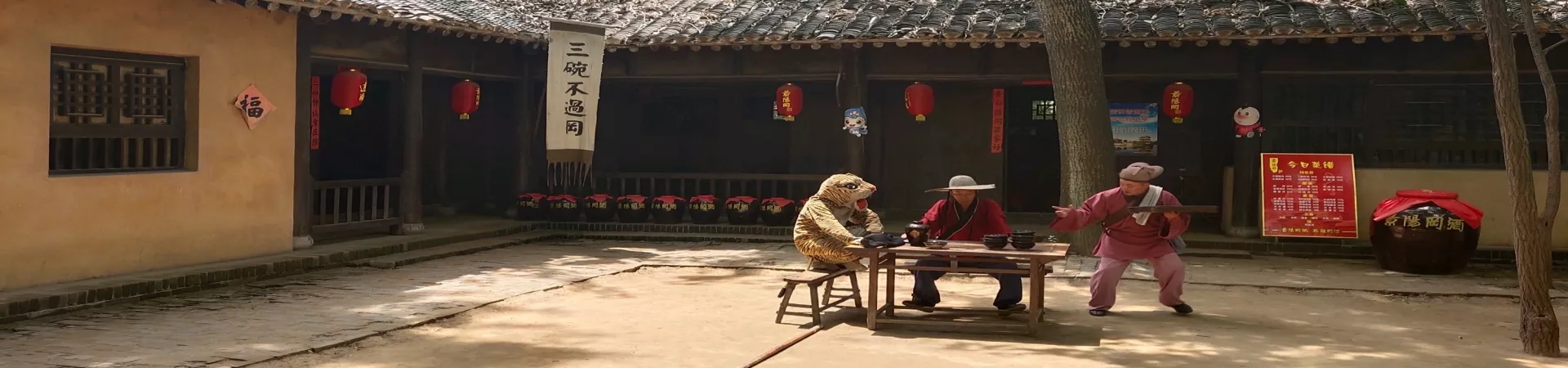
Subtitle: A Journey Through Legendary Landscapes and Timeless Tales
I. Introduction to Jingyanggang: More Than a Scenic Spot
Nestled in the heart of Liaocheng City, Shandong Province, the Jingyanggang Tourist Area offers a unique synthesis of natural beauty, deep-rooted cultural heritage, and immersive recreational activities. Far from being a simple collection of sights, it is a destination where myth intertwines with history, and leisurely exploration meets adventurous spirit. The area is most famously celebrated as the legendary setting from the classic Chinese novel Water Margin (Shuihu Zhuan), where the heroic Wu Song defeated a fierce tiger with his bare hands. This legendary backdrop infuses every hill, forest, and pathway with a sense of epic narrative, inviting visitors to step into the pages of one of China's great literary treasures while enjoying a comprehensive and engaging tourist experience designed for relaxation, education, and family fun.
II. Exploring the Core Attractions and Legendary Landscape
A. The Heart of the Legend: Wu Song and the Tiger The central theme of Jingyanggang is inextricably linked to the tale of Wu Song. Key sites are meticulously designed to bring this story to life. * The Tiger-Fighting Site: This is the undisputed focal point of the area. Often marked by a dramatic statue or a dedicated pavilion, it commemorates the precise location where the legendary battle is said to have taken place. Informative plaques and sometimes even lifelike dioramas help visitors visualize the thrilling encounter, connecting them directly to the ancient tale. * Wu Song Temple: Dedicated to the hero himself, this temple serves as a place of cultural reverence. It typically houses statues of Wu Song, detailed murals depicting scenes from his life and the Water Margin story, and historical exhibits that explore the novel's significance in Chinese culture and its connection to the Shandong region.
B. Natural Scenery and Architectural Harmony Beyond the legend, the tourism area is developed to showcase serene landscapes and traditional Chinese aesthetics. * The Ancient Ridge Paths: Winding trails lead visitors through the wooded hills of Jingyanggang. These paths are designed for peaceful strolls, allowing guests to appreciate the local flora and fauna, and imagine the ancient travelers and heroes who once walked similar routes. * Pavilions, Towers, and Inscriptions: Scattered throughout the hills are traditional Chinese structures such as viewing pavilions and ancient-style towers. These offer vantage points for panoramic views of the surrounding countryside. Stone tablets engraved with classic poetry or passages from Water Margin add a layer of literary and artistic depth to the natural surroundings. * The Museum or Cultural Exhibition Hall: Many comprehensive tourist areas include a museum that provides broader context. Here, visitors can delve into the historical geography of Liaocheng, archaeological findings from the region, and extensive displays on the authorship, themes, and enduring popularity of Water Margin.
III. Visitor Information: Planning Your Journey
To ensure a smooth and enjoyable visit, please note the following practical details.
A. Operating Hours The tourist area operates with seasonal hours: * Summer Schedule (June 1st - August 31st): Open from 08:30 to 17:30 daily. Last admission is at 17:00. * Winter Schedule (December 1st - February 28th of the following year): Open from 08:30 to 17:00 daily. Last admission is at 16:30. It is always advisable to confirm times locally before your visit, as they may be subject to change for maintenance or special events.
B. Contact Details For inquiries regarding tickets, group visits, or general information, you can contact the tourist area administration at: * Phone: +86 635 6361567 or +86 635 6363199
IV. The Integrated Experience: Leisure and Recreation
Jingyanggang is consciously developed as a holistic destination. * Family-Friendly Activities: The area often features elements like themed playgrounds, open spaces for picnics, and sometimes light recreational facilities that cater to younger visitors, making it a suitable destination for family outings. * Cultural Performances: On weekends or during holidays, visitors might be treated to special performances. These can include traditional Shandong opera excerpts, storytelling sessions recounting Water Margin tales, or martial arts demonstrations reminiscent of the novel's heroes. * Local Crafts and Cuisine: Near the exit or in designated areas, there are usually opportunities to purchase local handicrafts or souvenirs. Sampling Shandong-style snacks or a meal at a local restaurant allows for a taste of the regional culture, completing the sensory experience of the visit.
In essence, the Jingyanggang Tourist Area masterfully blends a tangible connection to China's legendary past with the amenities and pacing of a modern leisure destination. It invites visitors not just to see a place, but to experience a story—to walk the ridges a hero walked, ponder the tales that shaped a culture, and enjoy a day of exploration in a setting where every view seems to whisper an ancient secret.