Guangyuelou
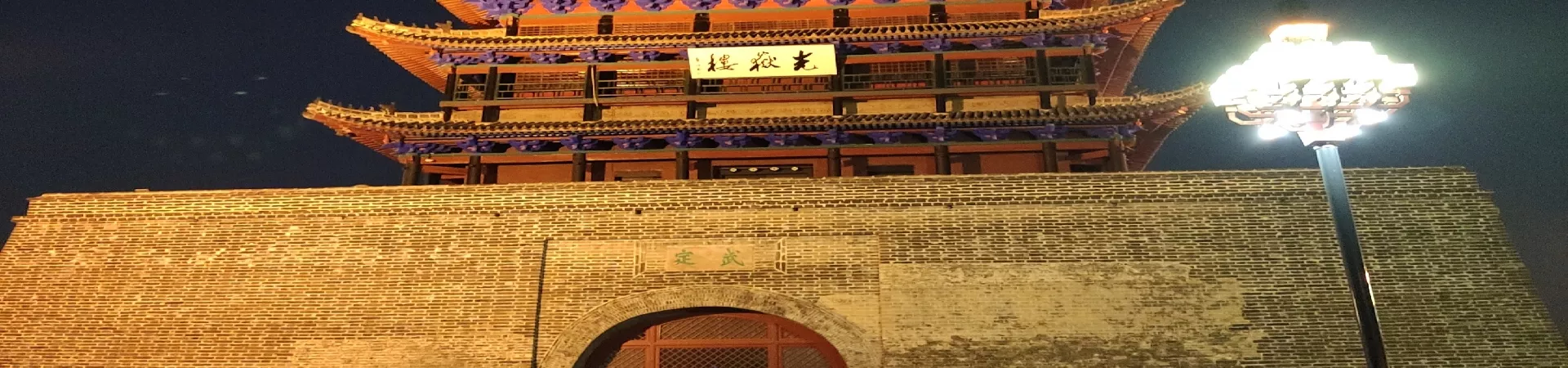
Subtitle: A Timeless Sentinel: Unveiling the History and Architectural Splendor of Liaocheng's Guangyue Tower
I. Introduction: The Pillar of Dongchang Prefecture
Rising from the historic heart of Liaocheng City in Shandong Province, the Guangyue Tower stands not merely as a structure of wood and brick, but as the enduring symbol of the city itself. For centuries, it has been affectionately known as the "Pillar of Dongchang Prefecture," a title that speaks to its profound cultural and architectural significance. This majestic tower, one of the ten most famous ancient towers in China, transcends its physical form to represent the resilience, artistic achievement, and historical memory of the region. More than just a scenic spot, it is a portal to the Ming and Qing dynasties, offering visitors a tangible connection to China's rich imperial past. Its imposing silhouette against the sky has watched over the Grand Canal's ebb and flow, witnessed the transformation of a city, and remains a source of immense local pride and a compelling destination for any traveler seeking authentic historical immersion.
II. Historical Significance: A Legacy Cast in Time
A. Origins and Construction The story of Guangyue Tower begins in the Hongwu period of the Ming Dynasty, specifically in the year 1374. Its construction was intrinsically linked to the city's military and administrative needs. Originally built as a drum tower on the remaining foundation of Liaocheng's ancient city wall, its primary function was defensive, serving as a watchtower to observe distant movements and to house warning drums and bells. The name "Guangyue," meaning "Making the Mountain Bright" or "Broadening the View of the Mountains," was bestowed upon it later, reflecting its elevated purpose as a vantage point. This dual identity—from pragmatic military outpost to a celebrated cultural landmark—forms the core of its historical narrative.
B. Evolution Through Dynasties While its core structure dates from the early Ming, the tower as seen today is a masterpiece shaped by subsequent renovations, particularly during the Qing Dynasty. It has withstood the tests of war, natural elements, and time, undergoing several careful restorations that preserved its original architectural principles while ensuring its survival. For generations of scholars, officials, and literati, the Guangyue Tower was a revered gathering place. Its upper floors provided inspiration, its balconies offered panoramic contemplation, and its very presence fueled countless poems and essays. It became a living chronicle, its beams and pillars silently recording the intellectual and social currents of passing eras.
III. Architectural Marvel: The Artistry of Ming-Qing Craftsmanship
A. Structural Design and Layout The Guangyue Tower is a quintessential example of traditional Chinese pavilion-style architecture. It is a four-sided, wooden-framed structure that appears as a single, cohesive unit from the exterior. However, it ingeniously incorporates design elements from both pavilions and multi-story towers. The tower stands approximately 33 meters tall, resting upon a substantial square brick base that elevates its presence and provides stability. This base, with its arched gateway passage, once allowed traffic to pass directly underneath, emphasizing its integral role in the urban fabric.
B. The Dougong Bracket System The most breathtaking architectural feature is its complex and elegant dougong bracket system. These interlocking wooden brackets, stacked layer upon layer between the top of the columns and the crossbeams, are a hallmark of classic Chinese architecture. In Guangyue Tower, the dougong is not only structurally vital—distributing the immense weight of the heavy eaves—but also extraordinarily decorative. The brackets are meticulously carved and painted, creating a visually stunning canopy of wooden artistry that seems to bloom beneath the wide, upturned eaves. This intricate network demonstrates the peak of carpenter craftsmanship from its era, where structural necessity was seamlessly fused with aesthetic grandeur.
C. Roof and Eaves The tower is crowned with a majestic cross-ridge hip roof, covered in glazed tiles that shimmer under the sunlight. The eaves, supported by the dougong, curve gracefully upwards at the corners, imparting a sense of lightness and flight to the substantial wooden structure. This distinctive silhouette is instantly recognizable and contributes significantly to the tower's majestic yet harmonious profile.
IV. The Visitor Experience: Practical Information and Highlights
A. Panoramic Views and Interior Exploration Ascending the tower's ancient wooden staircases is the highlight of any visit. Each level offers progressively more expansive views of Liaocheng. From the top floor, the panorama is breathtaking: the serpentine path of the ancient Grand Canal, the traditional grey-tiled rooftops of the old city, and the contrast of modern urban development in the distance. Inside, the space is imbued with historical atmosphere. While the original functional items are largely gone, the architectural details—the massive columns, the intricate railings, and the calligraphic plaques—speak volumes.
B. Key Details for Planning Your Visit To ensure a smooth and enriching visit, please note the following practical information:
Opening Hours:
- October 1st to May 1st: 09:00 - 17:30 (Last admission at 17:00)
- May 2nd to September 30th: 09:00 - 18:00 (Last admission at 17:30)
- These hours generally apply Tuesday through Sunday. It is always advisable to confirm the schedule for specific holidays or Mondays.
Contact Information:
- For any inquiries, visitors can contact the management at: +86 635 8412418.
A visit typically takes 1 to 2 hours, allowing time to appreciate the tower's exterior, climb to the top, and absorb the views and history. The surrounding area often features related cultural exhibits or placards explaining the tower's history in greater depth. Visiting during clear weather is recommended for the best views, and early mornings or late afternoons often provide softer light for photography and a more tranquil atmosphere. As you stand atop this centuries-old sentinel, you are not just observing a monument; you are occupying a space where history, architecture, and landscape converge, offering a profound and unforgettable glimpse into China's enduring cultural heritage.