China ass hide glue museum
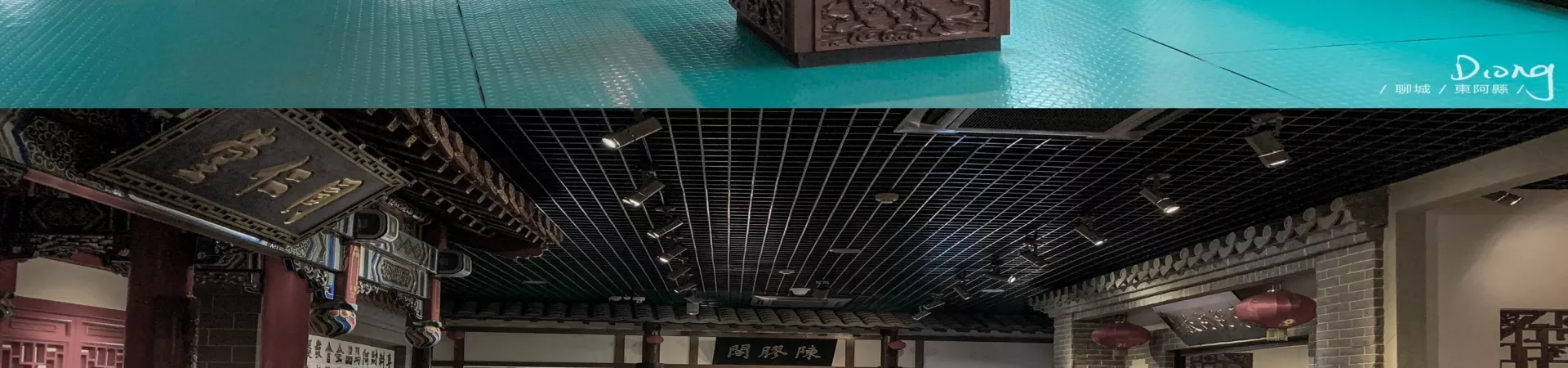
Subtitle: A Journey Through Millennia of Wellness and Craftsmanship
1. Introduction: A Sanctuary of Tradition at the Foot of Sacred Mountains Nestled at the eastern outskirts of Dong'e County, where the majestic Mount Tai casts its shadow and the mighty Yellow River flows nearby, stands the China Ejiao Museum. This unique institution, financed with an investment exceeding 10 million RMB by Dong'e Ejiao Group—the nation's leading producer of this revered substance—holds the distinction of being China's first museum dedicated entirely to the history, culture, and artistry of Ejiao. More than a mere exhibition space, it serves as a profound cultural sanctuary, inviting visitors to embark on an immersive journey through over two millennia of tradition, exploring the story of a health treasure deeply woven into the fabric of Chinese medicine and wellness culture.
2. The Essence of Ejiao: From Ancient Remedy to Cultural Icon 2.1. Historical Origins and Imperial Patronage The museum's narrative begins by tracing Ejiao's origins to the Han Dynasty (206 BCE – 220 CE), unveiling its initial mentions in ancient medical texts. Through carefully curated artifacts and detailed explanations, visitors learn how this preparation, primarily made from donkey hide, evolved from a local remedy into a prized tribute for the imperial court. The exhibits highlight its celebrated status among emperors and nobility, revered for its purported properties in nourishing the blood, promoting vitality, and supporting overall well-being, thus cementing its place as a cornerstone of traditional Chinese medicine (TCM).
2.2. The Science and Art of Craftsmanship A core section of the museum is devoted to demystifying the intricate, time-honored production process. It breaks down the traditional craftsmanship, which involves meticulous selection of raw materials, precise cleaning, stewing, and concentration techniques that have been refined over centuries. Modern displays may contrast this with contemporary, standardized production methods while emphasizing the unwavering commitment to quality. This part of the exhibition underscores why Dong'e County's specific water sources and traditional knowledge are considered irreplaceable for producing authentic, high-grade Ejiao.
3. Exploring the Museum's Curated Experience 3.1. Permanent Exhibition Galleries The museum's permanent collection is thoughtfully organized into thematic galleries. One gallery might be dedicated to historical artifacts, including ancient tools, vintage packaging, and precious classical manuscripts prescribing Ejiao. Another focuses on the biological and pharmacological understanding of Ejiao, explaining its components and role within TCM theory. A significant portion is also dedicated to the cultural legacy, showcasing how Ejiao has been depicted in literature, art, and folklore, reflecting its deep integration into daily life and social customs throughout Chinese history.
3.2. Interactive and Multimedia Displays To engage a modern audience, the museum incorporates interactive elements and multimedia installations. These may include detailed dioramas of historical workshops, touch-screen interfaces exploring the different types and uses of Ejiao, or short documentaries featuring interviews with master craftsmen and TCM practitioners. These interactive stations allow visitors to deepen their understanding beyond static displays, creating a dynamic and educational experience.
4. Practical Information for the Visitor 4.1. Location and Contact Details The museum is conveniently located in Dong'e County, Liaocheng City, Shandong Province, offering a culturally enriching stop on itineraries that include Mount Tai or the Yellow River. For direct inquiries, visitors can contact the museum at +86 635 3261380.
4.2. Admission Fees and Opening Hours Admission to the museum is priced at 25 RMB per person. Operating hours vary seasonally to accommodate daylight and local conditions. From March 1st to May 31st, and again from December 1st to February 28th, the museum is open from 08:00 to 12:00 for the morning session and 14:00 to 18:00 for the afternoon session. The last admission is at 11:30 and 17:30, respectively. During the summer months, from June 1st to August 31st, the afternoon hours are adjusted to 14:30-18:30, with the last entry at 18:00. The museum operates these hours from Monday through Sunday. It is always advisable for visitors to confirm the schedule prior to their visit, as times may be subject to change for maintenance or special events.
4.3. Enhancing Your Visit To fully appreciate the context, visitors are encouraged to combine their museum tour with broader explorations of Dong'e County, which is synonymous with Ejiao production. The visit offers a comprehensive perspective, connecting the historical and cultural dots presented in the museum to the living tradition that continues to thrive in the surrounding area. The museum provides not just knowledge about a product, but a deep appreciation for a unique heritage of health and craftsmanship that has been cherished for generations.