Lianyungang Old Street
Subtitle: A Journey Through Time: Exploring Lianyungang Old Street's Unique Blend of History, Culture, and Coastal Charm
1. Introduction: A Living Tapestry of Stone and Sea
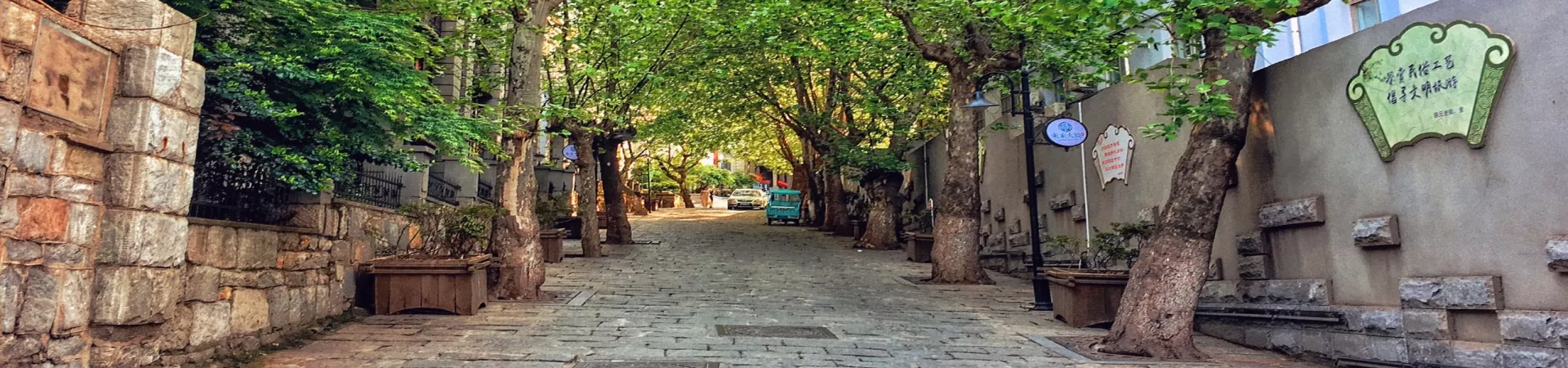
Nestled where the mountains meet the ocean in the port city of Lianyungang, Jiangsu Province, lies a distinctive historical and cultural corridor: Lianyungang Old Street. More than just a scenic spot, it is a living museum etched in stone, narrating a compelling story of maritime beginnings, historical resilience, and vibrant contemporary revival. Its foundation is intrinsically linked to the development of the Lianyungang port itself, dating back to 1933. From its early days as a port settlement through the post-liberation period after 1948 to its present-day incarnation, the street has absorbed the imprints of each era. The most striking feature is its unique architectural and geographical character—a "mountain city" built with stone. Meandering stone-paved pathways, sturdy stone staircases, and rows of stone houses cling to the hillside, creating a captivating layered vista that cascades toward the sea. This organic, rugged stone landscape forms the timeless backbone of the Old Street, upon which layers of history and modern life have been artfully woven. A comprehensive reconstruction in 2013 meticulously revitalized the area, transforming it into a multifaceted destination that masterfully integrates the romantic aura of the Republic of China era, rich traditional folk culture, dynamic waterfront nightlife, sophisticated shopping, and serene seaside leisure.
2. The Historical Core: Echoes of the Republic of China and Beyond
2.1. Architectural Legacy in Stone The most palpable historical layer is the well-preserved and restored architecture reflecting the style of the Republic of China period (early to mid-20th century). Walking through the street, visitors are transported to an era of cultural fusion. Buildings feature characteristic elements such as arched doorways, ornate wooden balconies, grey brick facades complemented by the omnipresent local stone, and traditional Chinese sloping roofs sometimes blended with Western architectural influences. These structures, once serving as merchant houses, trading offices, and residences for port workers and entrepreneurs, now house museums, tea houses, specialty shops, and galleries. They stand as silent witnesses to the bustling commercial activity that once defined this portside community.
2.2. Preserving the Imprint of Time Beyond the architecture, the Old Street consciously preserves the "imprints of different historical stages." This might be seen in a restored section of the original port railway, a historical plaque detailing a significant event, or a small museum exhibit showcasing photographs and artifacts from the street's evolution from the 1930s to the present. This careful curation allows visitors to appreciate not just a single frozen moment in history, but a continuum of development, making the experience both educational and deeply atmospheric.
3. The Modern Tapestry: Experiences and Amenities
The 2013 reconstruction brilliantly infused new life into the historical shell, creating a diverse array of experiences that cater to modern visitors while respecting the past.
3.1. Cultural and Folk Immersion For those seeking cultural depth, the street offers ample opportunity to engage with traditional folk civilization. Artisans' workshops demonstrate local crafts, shops sell regional specialties and souvenirs, and periodic cultural performances or festivals might feature traditional music, dance, or storytelling. This layer ensures that the local heritage remains a living, participatory part of the environment.
3.2.滨水酒吧文明 (Bīnshuǐ Jiǔbā Wénmíng) - The Waterfront Bar Culture As the day transitions to evening, a particular energy emerges along the sections of the street closest to the water. The "waterfront bar culture" comes alive. A variety of bars, pubs, and cafes, often housed in adapted historical buildings, offer terraces and views of the harbor. This area becomes a social hub where visitors can enjoy a drink, listen to music, and soak in the ambiance of the illuminated port against the night sky, representing the street's vibrant contemporary pulse.
3.3. Shopping and Leisure The street also caters to leisurely browsing and shopping. "Fashionable boutique shopping" can be found in stores offering curated goods, designer items, and unique finds, distinct from standard mall fare. For a more relaxed pace, numerous cafes and tearooms provide perfect spots for people-watching. The integration of "sea view leisure and vacation" facilities means visitors can extend their stay, with nearby accommodations offering chances to wake up to the panoramic views of the山海港城 (shān hǎi gǎng chéng) - the distinctive mountain-sea-port city scenery that defines Lianyungang.
4. Practical Information for Visitors
4.1. Access, Fees, and Timing Lianyungang Old Street is a publicly accessible area. Admission to the main street itself is free, making it an excellent and open destination for a stroll. However, it is important to note that some internal small attractions, such as specific museums, historical houses, or exhibition spaces, may charge separate admission fees. It is advisable to check the specific ticket information at the entrance of each attraction on the day of your visit, as offerings and prices are subject to change.
In terms of planning your visit, the street's open environment is accessible 24 hours a day, all year round. This allows for flexibility; morning visits offer clearer views and a quieter atmosphere for photography, while afternoons and evenings bring livelier crowds, active shops, and the glowing nightlife. A typical comprehensive visit, allowing time to explore the lanes, visit a couple of paid attractions, enjoy a meal, and perhaps experience the bar scene, can easily fill a full day.
4.2. Getting the Most from Your Visit To fully appreciate the Old Street, wear comfortable shoes suitable for walking on uneven stone paths and climbing stairs. Allow yourself to wander beyond the main thoroughfare into the smaller side alleys to discover hidden courtyards and unexpected views. The interplay of light and shadow on the stone buildings is particularly photogenic in the late afternoon. Combining a visit here with other nearby coastal or mountain attractions in Lianyungang can make for a perfect itinerary highlighting the region's unique geographic and cultural character.
Information last updated: September 12, 2023.