Dayishan Scenic Area
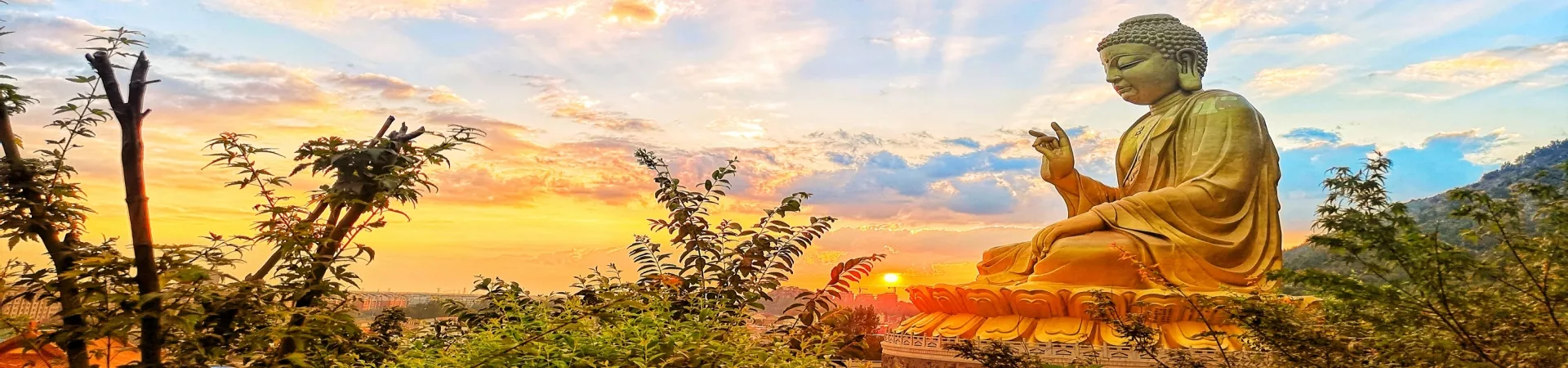
Subtitle: A Journey Through Billions of Years: Exploring the Natural and Cultural Tapestry of Dayishan Scenic Area
1. Introduction: The "First Sacred Mountain" of the Huaihai Plains Nestled in Guanyun County, approximately 30 kilometers from the urban center of Lianyungang City in Jiangsu Province, lies the Dayishan Scenic Area, a national 4A-level tourist attraction revered as the "First Sacred Mountain of the Huaipei Flatlands." This ancient range, a subsidiary of the mighty Tai Mountain system, boasts a staggering geological history dating back to the Archean Eon, approximately 2 billion years ago. Its name carries the weight of legend, derived from the renowned Shang Dynasty prime minister, Yi Yin, who is said to have chosen these slopes for a life of hermitage and contemplation. More than just a collection of peaks, Dayishan is a profound cultural landscape, seamlessly integrated into its surroundings and historically celebrated in poetry as "ten miles of green hills, half entering the city." The area masterfully intertwines majestic natural scenery with deep historical significance, presenting visitors with an environment characterized by its seclusion, antiquity, divinity, and wonder.
2. Geographical and Geological Grandeur 2.1. The Formation of a Titan Dayishan's significance begins with its profound age. As part of the Tai Mountain foothills, its formation traces back to the Earth's earliest geological eras. The rock formations that compose its twelve distinct peaks are silent narratives of planetary evolution, offering a tangible connection to a past measured in billions of years. This ancient foundation is the bedrock upon which the mountain's ecological diversity and spiritual aura have been built.
2.2. Landscape and Layout The scenic area encompasses a substantial 5 square kilometers, dominated by twelve rolling peaks. While the highest summit reaches a modest elevation of 226.7 meters, the beauty of Dayishan lies not in sheer height but in its graceful topography and harmonious presence within the landscape. The range rises elegantly from the surrounding plains, creating a striking visual contrast and fulfilling its poetic description of blending with human settlement. Its accessibility is a key advantage, served by major transport arteries including the Ningsu-Lianyungang Expressway (G25), the Lianyungang-Yancheng Expressway (G15), National Highway 204, and Provincial Highway 324, making it a convenient destination for regional and national travelers alike.
3. The Core Attractions: "Secluded, Ancient, Divine, and Extraordinary" The essence of Dayishan is captured in its four defining characteristics, each offering a different facet of experience to the explorer.
3.1. Seclusion (幽 - You) Despite its accessibility, Dayishan retains pockets of profound tranquility. Winding forest paths, quiet valleys, and hidden clearings provide escape from the bustle of modern life. The dense canopy of ancient trees, the gentle sound of trickling streams, and the fresh, clean air create an atmosphere of peaceful retreat, ideal for meditation, leisurely walks, and reconnecting with nature.
3.2. Antiquity (古 - Gu) The mountain is a living museum of history. Its association with Yi Yin from the Shang Dynasty (c. 1600-1046 BCE) is just the beginning. Scattered across the slopes are numerous cultural relics, including ancient cliff inscriptions, time-worn temples, and archaeological sites. The most notable among these is the Dayishan Rock Coffin Tombs, a Neolithic burial site of immense archaeological importance. These stone coffins, hewn directly into the mountain rock, offer a rare glimpse into the burial customs and social structures of prehistoric civilizations in eastern China, adding a layer of deep historical mystique to the landscape.
3.3. Divinity (神 - Shen) Centuries of spiritual activity have imbued Dayishan with a sacred character. The mountain has long been a center for Buddhism and Taoism, hosting several historic temples and shrines. Pilgrims and seekers have been drawn to its slopes, contributing to an aura of reverence and spiritual significance. The combination of its legendary origins, religious structures, and serene natural environment fosters a sense of encountering a space that transcends the ordinary—a true "sacred mountain."
3.4. Wonder (奇 - Qi) Dayishan delights with its unique and curious natural formations. The mountain features an array of peculiarly shaped rocks and boulders, sculpted by millennia of wind and water erosion. These natural sculptures, often resembling animals, human figures, or mythical beings, stimulate the imagination. Seasonal changes further enhance this wonder, with spring blossoms, lush summer greenery, vibrant autumn foliage, and occasional winter frost each painting the landscape in a different, captivating light.
4. Practical Visitor Information To facilitate a smooth and enjoyable visit, please note the following essential details.
4.1. Ticketing * Adult Ticket: 60 RMB * Child Ticket: 30 RMB Ticket prices are subject to change; it is advisable to verify the latest rates through official channels before your visit.
4.2. Operating Hours The scenic area is open daily from 08:00 to 17:30. The last admission is at 17:00. These hours are generally consistent throughout the year (January 1st to December 31st, Monday through Sunday), but temporary adjustments for maintenance or special events are possible.
4.3. Suggested Experience A comprehensive visit to Dayishan requires a full day. Begin by exploring the cultural heart of the area, visiting the ancient temples and the profound Rock Coffin Tomb site to appreciate its historical depth. Subsequently, embark on a hike along one of the designated trails to experience the mountain's natural beauty and seclusion firsthand. The trails vary in difficulty, offering options for both casual walkers and more enthusiastic hikers. Remember to wear comfortable walking shoes, carry water, and consider the weather conditions. The mountain's proximity to Lianyungang also allows visitors to easily combine a trip to Dayishan with other regional attractions, such as the famous Huaguoshan (the legendary home of the Monkey King) or the coastal scenery.