Mount Emei
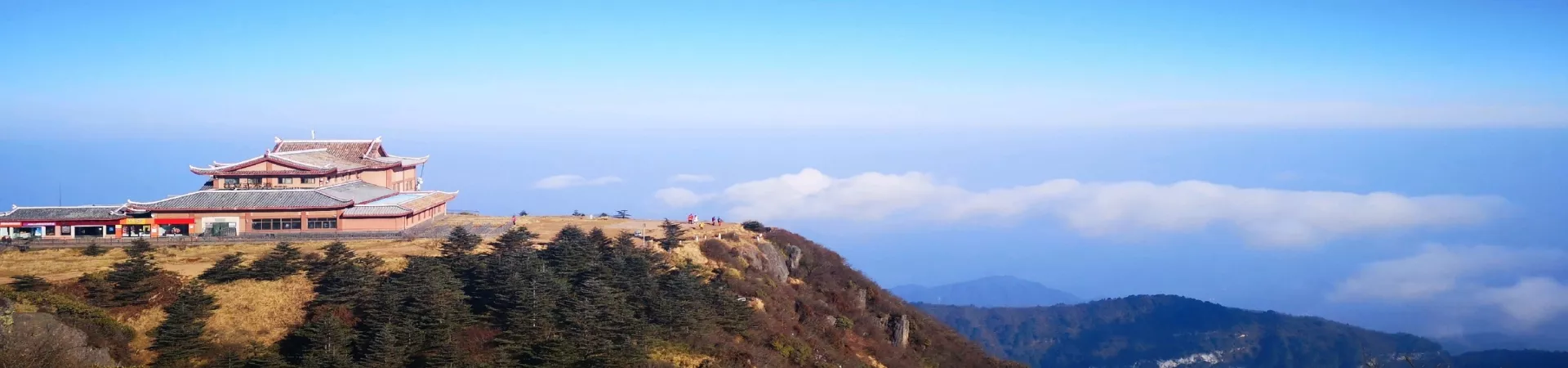
A Comprehensive Visitor's Guide to Mount Emei, Leshan, China
Nestled in the southwestern Sichuan Basin, Mount Emei stands as one of China's Four Sacred Buddhist Mountains. Revered as the bodhimanda, or dwelling place, of Samantabhadra (Puxian) Bodhisattva, the mountain is a profound spiritual sanctuary. Its slopes are dotted with ancient temples and monasteries, each contributing to an atmosphere thick with devotion and centuries of prayer, making it a living testament to China's rich Buddhist heritage. Beyond its spiritual significance, Emei Shan is a masterpiece of natural beauty, offering dramatically different landscapes across its three distinct altitude zones and enchanting visitors with its seasonal transformations.
A Tapestry of Natural Splendor and Spiritual Grandeur
The mountain's beauty is a dynamic spectacle that changes throughout the year. In spring, the lower slopes burst into life with vibrant azaleas and blossoming trees. Summer brings lush, emerald-green forests and cool retreats from the valley heat. Autumn paints the mountain in breathtaking hues of gold and crimson, while winter transforms its upper reaches into a serene, snow-covered wonderland. This vertical journey from subtropical flora at the base to alpine conditions near the summit is divided into three scenic zones: the Low, Middle, and High Areas, each with its unique ecosystem and vistas.
The ultimate reward for many pilgrims and hikers is reaching the Golden Summit (Jinding). Here, at an elevation of 3,077 meters, one is greeted with a breathtaking, panoramic view that truly evokes the feeling of "seeing all other mountains grow small." The vast, rolling sea of clouds and the majestic, towering statue of Samantabhadra Bodhisattva are iconic sights. Witnessing the sunrise from this vantage point, as the first rays illuminate the cloud ocean, is an experience of unparalleled beauty and tranquility, consistently ranking as the mountain's most popular activity.
Essential Planning: Transportation, Tickets, and Opening Hours
Getting There Public transportation provides convenient access to the mountain's base. From downtown Emei City, bus routes 1 and 7 go to Huangwan Station, while bus 5 goes to Fuhu Temple. Both routes 5 and 7 pass by the Baoguo Temple Tourist Transport Center. If arriving at the Emei Shan High-Speed Rail Station, take bus 12, which also stops at Fuhu Temple and the Baoguo transport hub.
Ticketing Information Mount Emei operates a seasonal ticketing system. Prices are subject to change, and visitors are advised to verify details on the official website or at ticket counters on the day of their visit.
- Peak Season (Jan 16 - Dec 14): * Scenic Area Entry Ticket: 160 RMB * Golden Summit Cable Car (One-way): Up 65 RMB / Down 55 RMB * Wannian Cable Car (One-way): Up 65 RMB / Down 45 RMB
- Low Season (Dec 15 - Jan 15): * Scenic Area Entry Ticket: 110 RMB * Golden Summit Cable Car (One-way): Up 30 RMB / Down 20 RMB * Wannian Cable Car (One-way): Up 30 RMB / Down 20 RMB
- Individual Temple Tickets: * Wannian Temple: 10 RMB * Baoguo Temple: 8 RMB * Fuhu Temple: 6 RMB
- Ski Field (Year-round): Approximately 100 RMB per person per hour.
Discounts and Exemptions The mountain offers a detailed structure for discounted and free admission. Significant discounts (typically 50%) are available for children with heights between 1.2m and 1.5m, juniors aged 6-18 with valid ID, students with official full-time student cards (excluding most postgraduate and part-time programs), and teachers on Teachers' Day. Free admission is granted to children under 6 or under 1.2m, seniors aged 65 and over (and those 60-65 on non-public holidays), active-duty military personnel and disabled veterans, individuals with official disability certificates, and accredited journalists, among other specified groups. It is crucial to present original, valid identification for verification.
Operating Hours The main scenic area is generally open from 6:00 AM to 5:00 PM, with last entry at 5:00 PM. Individual temples like Baoguo may open from 7:00 AM to 4:00 PM. Cable car operations are critical for planning: the Golden Summit Cable Car typically runs from 7:30 AM to 6:00 PM, while the Wannian Cable Car operates from 7:00 AM to 6:00 PM (Apr 1-Oct 31) and 7:30 AM to 6:00 PM (Nov 1-Mar 31). These times are subject to change based on weather and season.
Practical Tips for an Enriching Visit
A visit to Mount Emei requires thoughtful preparation. The temperature difference between the base and the Golden Summit can be extreme, often exceeding 15°C (27°F). It is essential to dress in warm, layered clothing, and a windproof jacket is highly recommended for the summit. Sturdy, comfortable hiking shoes are a must for navigating the stone steps and trails. For those aiming for the sunrise, consider staying overnight at a monastery guesthouse or a hotel near the summit, such as at Jieyin Hall or the Golden Summit itself. This not only breaks up the demanding ascent but also ensures you are in place for the early morning spectacle. Keep an eye out for local cultural and folk activities, which sometimes take place in temple courtyards or villages, adding a vibrant layer to the spiritual journey. Finally, always check the latest weather forecast and official park announcements before your trip, as conditions can change rapidly at high altitude.