Leshan Giant Buddha Scenic Area
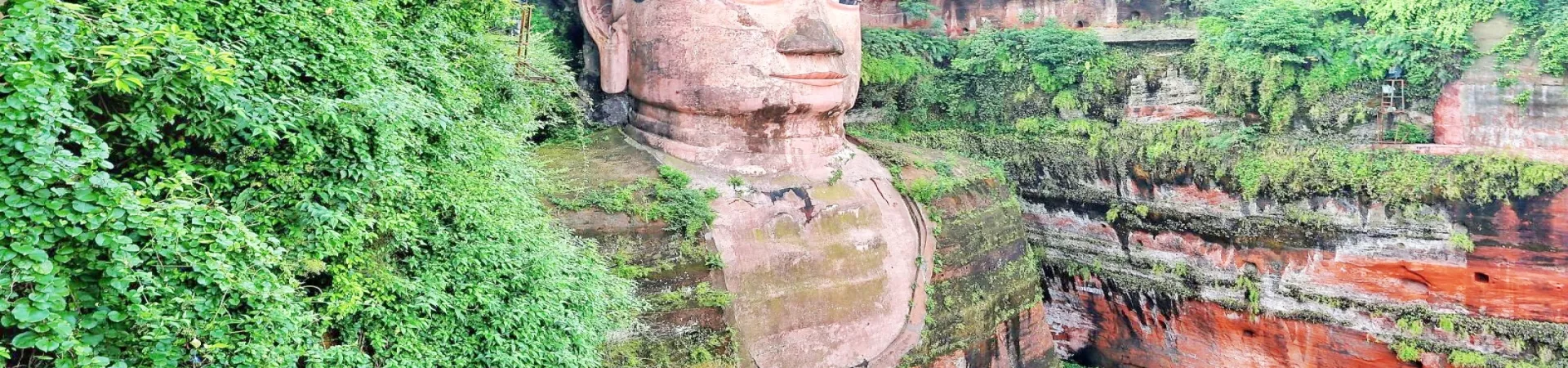
A Visitor's Guide to the Leshan Giant Buddha
Nestled at the confluence of the Minjiang, Dadu, and Qingyi rivers in Sichuan Province, the Leshan Giant Buddha Scenic Area is a UNESCO World Heritage Site and one of China's most profound cultural and spiritual landmarks. Far more than a single statue, the area encompasses a rich tapestry of natural beauty, ancient architecture, and religious history, centered around the world's largest stone-carved Buddha.
1. The Heart of the Scenic Area: Key Attractions
The scenic area is an integrated complex featuring several notable sites beyond the main statue itself.
1.1. The Crown Jewel: The Leshan Giant Buddha The undisputed centerpiece is the Leshan Giant Buddha, a majestic statue of Maitreya Buddha seated in a tranquil posture. Carved directly into the red sandstone cliff face of Lingyun Mountain, it is a masterpiece of Tang Dynasty (618-907 AD) rock art. The project's scale is staggering: initiated by a monk named Haitong in 713 AD to calm the turbulent waters at the river junction, it took three generations of artisans nearly 90 years to complete. The Buddha sits 71 meters (233 feet) tall, with shoulders spanning 28 meters. Its immense ears are 7 meters long, each capable of holding a person, and its toenails are large enough to serve as a seating platform. The statue's serene expression, intricate hair curls, and flowing robes showcase the extraordinary skill of its creators.
1.2. The Surrounding Landscape: Lingyun & Wuyou Mountains The Buddha is framed by the lush, forested peaks of Lingyun Mountain and Wuyou Mountain, which are connected by a cliffside path. These mountains are dotted with ancient temples, pagodas, and thousands of smaller, often overlooked, stone carvings. Lingyun Temple, located near the Buddha's head, is an active monastery where the scent of incense fills the air, offering visitors a genuine sense of the site's enduring spiritual significance.
1.3. The Hidden Wonders: Mahao Cliff Tombs & The Giant Reclining Buddha Another significant historical site within the area is the Mahao Cliff Tombs, an Eastern Han Dynasty (25-220 AD) burial site featuring carved chambers and stone coffins that provide insight into ancient mortuary practices. Furthermore, from a specific vantage point on the river, the contours of the entire Lingyun and Wuyou mountain range are said to naturally form the silhouette of a Giant Reclining Buddha, with the Leshan Giant Buddha serenely positioned at its heart.
2. Experiencing the Buddha: Perspectives from Land and Water
There are two primary and complementary ways to appreciate the grandeur of the Leshan Giant Buddha, each offering a unique perspective.
2.1. The Mountain Path: An Immersive Close-Up The most intimate experience involves hiking the Nine-Bend Plank Walkway. This narrow, zigzagging path is carved directly into the cliffside, allowing visitors to descend from the Buddha's head to its feet. The journey offers changing, detailed views of the statue's colossal features—from the calm face gazing over the rivers to the massive, weathered hands resting on its knees. The descent is atmospheric but can involve significant stairs and crowds.
2.2. The River Cruise: The Panoramic Vista For the iconic, full-profile view, a boat cruise on the river is essential. Departing from the Leshan Port or a dock within the scenic area, these short voyages (approximately 15 minutes) position you directly in front of the Buddha. From the water, you can fully grasp its monumental scale and harmonious integration with the natural landscape. The boat does not dock at the statue, so appreciation is from the vessel. This option is less physically demanding and provides the classic photographic opportunity.
3. Essential Visitor Information
3.1. Tickets and Fees Ticket structures are tiered based on the experiences chosen. * Land Tour Ticket (Covers Buddha, Wuyou Temple, Mahao Tombs): Adult: 80 RMB; Concession: 40 RMB. * River Cruise Ticket: Adult: 70 RMB. * "Night Tour of Three Rivers" Cruise: Adult: 220 RMB; Concession: 110 RMB. * Night Tour of Lingyun Mountain (Land): 60 RMB. * Giant Sleeping Buddha Sightseeing Line: 10 RMB.
3.1.1. Concession & Free Admission Policies Concession tickets (typically 50% off) are available for: * Minors aged 6-18 (with ID). * Full-time students (undergraduate and below) with valid student ID. * Seniors aged 60-64 on national法定节假日 (public holidays).
Free admission is granted to: * Children under 1.2m or aged 6 and below. * Seniors aged 65 and above (with ID). * Seniors aged 60-64 on non-public holidays. * Holders of valid military, disability, journalist, or Buddhist clergy certificates. (Note: Policies are subject to change; always verify with official sources before your visit.)
3.2. Opening Hours * Peak Season (Apr 1 - Oct 7): 07:30 - 18:30 (Last entry at 18:30). * Off-Peak Season (Oct 8 - Mar 31): 08:00 - 17:30 (Last entry at 17:30). Special night tour events have separate schedules.
3.3. Getting There * By Bus: From downtown Leshan, take public bus routes 601, K1, 302, or 3 and alight at the "Leshan Dafo" (Leshan Giant Buddha) station. * By Boat: Ferries and tourist boats depart from Leshan Port or designated docks within the scenic area for the river-viewing route.
4. Planning Your Visit: Practical Tips
4.1. Suggested Duration A comprehensive visit, including the mountain walk and a boat trip, requires 3-4 hours. A shorter visit focusing on one perspective can be done in 1-2 hours.
4.2. Physical Considerations The mountain path involves navigating many steep and narrow stairs. It is not recommended for those with heart conditions, high blood pressure, or mobility issues. Elderly visitors should be accompanied. Wear sturdy, comfortable shoes.
4.3. Best Time to Visit Early mornings on weekdays are generally less crowded. The scenic area is beautiful year-round, but spring and autumn offer the most pleasant weather. Summer can be hot and humid, while winter is milder but can be foggy.
4.4. Contact Information For the latest information, you can contact the scenic area at: 0833-2126582 or 0833-2355557.
A visit to the Leshan Giant Buddha is more than sightseeing; it is an encounter with ancient patience, artistic devotion, and spiritual grandeur that has stood watch over the rivers for over a millennium.