Fuhu Temple
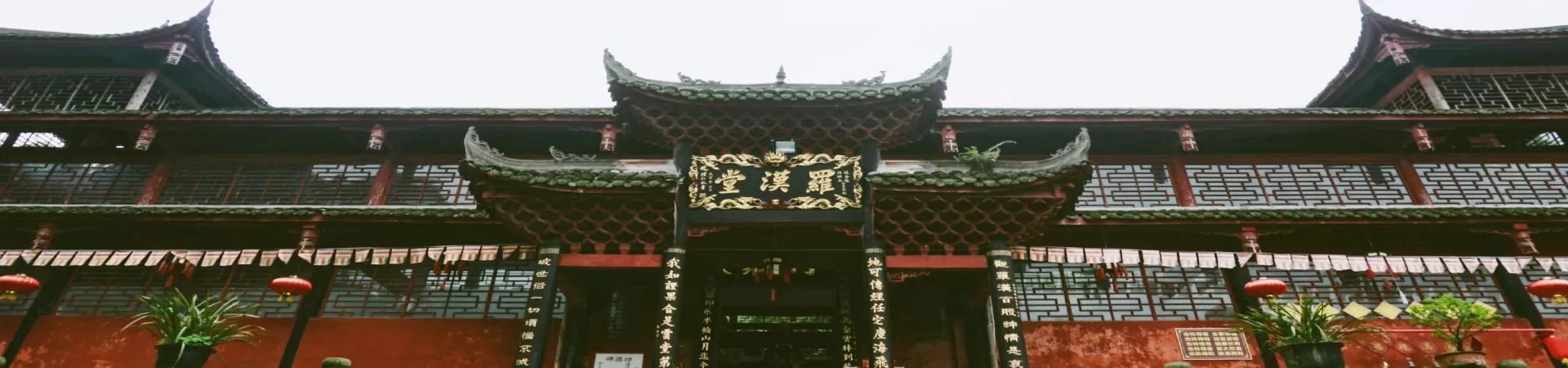
A Hidden Sanctuary: Fuhu Temple, a Quiet Gem on Mount Emei
Nestled amidst the dense, verdant forests of the sacred Mount Emei, approximately one kilometer south of the more frequented Baoguo Temple, lies Fuhu Temple (Tiger Taming Temple). This serene and immaculately kept nunnery offers a profound contrast to the bustling energy found at many of the mountain's other sites. As the largest temple complex on Mount Emei, it presents visitors not with overwhelming grandeur, but with an expansive, peaceful retreat where the spiritual atmosphere is palpable. Its secluded location, slightly off the main pilgrimage paths, ensures a uniquely tranquil experience, allowing for quiet contemplation amidst ancient architecture and the soothing sounds of nature.
A Journey into Serene Seclusion
The approach to Fuhu Temple is an integral part of its charm. The one-kilometer walk from Baoguo Temple is a pleasant and gentle prelude, leading you away from the main tourist flow and deeper into the mountain's lush embrace. The path, shaded by towering trees and accompanied by the murmur of streams, effectively prepares the mind for the tranquility ahead. This short pilgrimage emphasizes the temple's identity as a place of retreat and quiet devotion. For those seeking an authentic and peaceful encounter with Mount Emei's Buddhist heritage, without the crowds, this walk is a rewarding transition into a different pace and atmosphere.
Architectural Harmony and Spiritual Presence
The temple complex itself is a splendid example of traditional Sichuan temple architecture, seamlessly integrated into the forested hillside. Its halls and courtyards are arranged on multiple levels, following the natural contour of the land.
The Hall of Five Hundred Arhats: The spiritual and architectural climax of a visit to Fuhu Temple is undoubtedly the Hall of Five Hundred Arhats, located within the highest hall of the complex. This chamber houses a mesmerizing array of 500 life-sized, gilded clay statues, each depicting an Arhat—a Buddhist disciple who has attained enlightenment. The craftsmanship is exquisite, with every figure possessing distinct facial expressions, postures, and symbolic attributes. The sheer scale and artistry of this assembly create a powerful and awe-inspiring atmosphere, inviting visitors to wander slowly and observe the intricate details of each enlightened being.
Courtyards and Gardens: Beyond its main halls, the temple grounds feature quiet courtyards, ancient stone staircases, and well-tended gardens. The pervasive cleanliness and order reflect the disciplined life of the resident nuns. The interplay of wooden structures, grey tiles, stone carvings, and vibrant greenery fosters a deep sense of harmony and timelessness.
The Practicalities of a Visit
A trip to Fuhu Temple is as much about practical, sensory experience as it is about spiritual or scenic appreciation.
Savoring a Monastic Meal: One of the highlights for many visitors is the opportunity to partake in a simple, delicious vegetarian meal at the temple's refectory. For a modest fee, guests are offered a filling and flavorful斋饭 (zhāi fàn), or Buddhist vegetarian lunch. The meal, often consisting of fresh local vegetables, tofu, and rice, is prepared with care and provides a genuine taste of the temple's daily life. The policy of "十元一位,管饱" (ten yuan per person, eat until full) underscores the temple's hospitality and simplicity.
Essential Visitor Information:
- Opening Hours: The temple is open daily from 08:00 to 16:00, with last entry at 16:00.
- Admission Fees: A small entrance fee is required. Additionally, the vegetarian meal is available at a separate, very reasonable cost.
- Contact: For specific inquiries, the temple can be reached.
- Suggested Duration: Allocate 1 to 3 hours to fully appreciate the temple grounds, the Hall of Arhats, and perhaps enjoy a leisurely meal without feeling rushed.
An Enduring Refuge
Fuhu Temple stands as a testament to quiet perseverance and spiritual dedication. Its name, "Tiger Taming," legendarily refers to the subduing of local threats, but today it symbolizes the taming of the restless mind within a haven of peace. It is a place where the architectural achievement of the Hall of Five Hundred Arhats exists in perfect balance with the simple, daily rhythms of monastic life. For the traveler looking to experience the depth and quietude of Mount Emei beyond its famous peaks and iconic statues, Fuhu Temple is an essential and profoundly rewarding destination. It offers a space to pause, reflect, and absorb the mountain's serene energy in a setting of remarkable beauty and cultural significance.