Mount Emei Wannian Temple
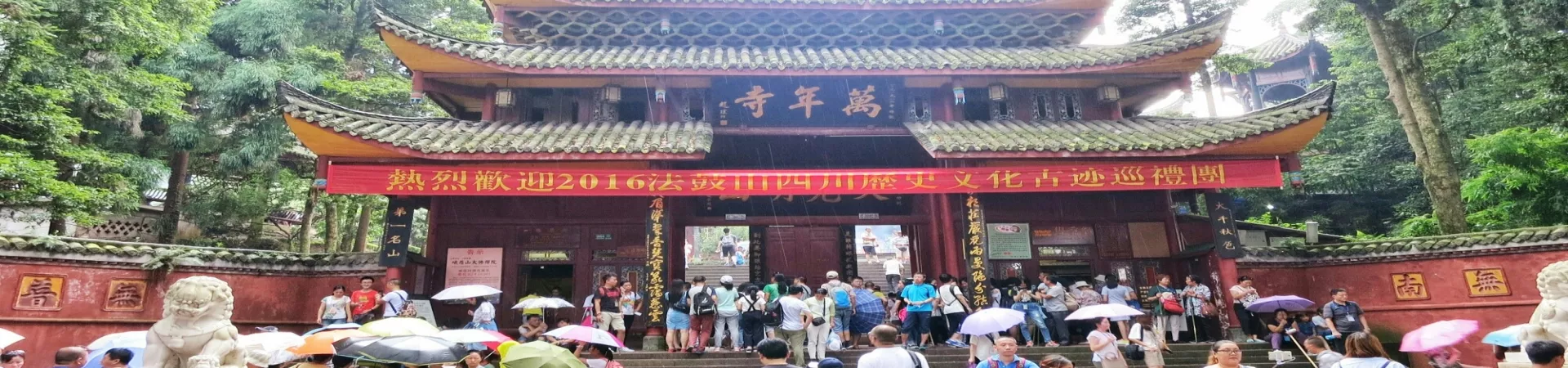
A Sanctuary Through Time: Exploring Wannian Temple on Mount Emei
Nestled in the serene embrace of Mount Emei, a UNESCO World Heritage Site in Sichuan Province, China, Wannian Temple (The Temple of Ten Thousand Years) stands as a profound testament to the mountain's enduring spiritual legacy. Positioned directly opposite the Golden Summit (Jinding), it is not merely a stop on the pilgrimage route but a destination that encapsulates the soul of Buddhist history and architectural wonder on this sacred mountain. As the oldest surviving temple on Mount Emei, its halls have resonated with chants and prayers for centuries, its incense perpetually weaving through the misty air, making it a cornerstone of both cultural heritage and active devotion.
Architectural Marvel: A Fusion of Cultures
The temple complex presents a captivating study in architectural dialogue. While Mount Emei is dotted with traditional Chinese monastic structures, Wannian Temple houses a building of extraordinary and unique character.
- The Unmatched Brick Hall: The heart of this uniqueness is the magnificent Brick Hall (无梁砖殿). Constructed during the Ming Dynasty (in the 16th century), this edifice was ingeniously designed as a replica of ancient Indian Buddhist temples.
- A Structural Wonder: Its most striking feature is the complete absence of wooden beams in its construction. The entire square structure, including its iconic domed roof, is built entirely of brick, culminating in a crown adorned with five white stupas and four mythical creatures. This ingenious design has allowed it to withstand fires and the test of time, remaining perfectly preserved for over four centuries.
- An Iconic Interior: Within this hushed, cavernous space resides a towering statue of Samantabhadra (Puxian Bodhisattva) riding a six-tusked white elephant, cast in bronze over a thousand years ago. The harmonious blend of Indian-inspired architecture housing a quintessential Chinese Buddhist icon creates an atmosphere of deep, transcendent peace, distinctly setting it apart from any other temple on the mountain.
A Repository of History and Art
Beyond its architectural splendor, Wannian Temple serves as a quiet sanctuary for reflection and a keeper of historical treasures. The temple grounds are imbued with a palpable sense of tranquility, where ancient trees shade courtyards and the sound of trickling water complements the distant temple bells.
- Echoes in Stone: The Stele Forest Scattered throughout the complex are numerous historical steles and stone inscriptions, each carving telling a part of the mountain's story. These stone records serve as direct links to the scholars, monks, and emperors who have shaped the temple's past.
- The "First Mountain" Legacy Among this collection, one artifact holds particular fame: the "First Mountain" stele (第一山碑). This prized stone bears the powerful, elegant calligraphy of Mi Fu, a revered master from the Song Dynasty. His bold declaration, identifying Mount Emei as the premier mountain, continues to captivate visitors and calligraphy enthusiasts, anchoring the temple's status as a site of immense cultural significance.
Practical Information for Your Visit
Getting to Wannian Temple Reaching Wannian Temple involves a scenic journey into the heart of Mount Emei. Visitors have two primary options, catering to different preferences for adventure and convenience. * By Cable Car (Recommended for Efficiency): The most direct route is via the Wannian Cable Car (Wannian Suodao). The ride begins at the Wannian Parking Lot and offers breathtaking aerial views of the lush, dense forests before arriving near the temple grounds in just a few minutes. The cable car operates from 6:40 AM to 6:00 PM daily. * By Hiking (For the Immersive Experience): For those seeking a more traditional and contemplative approach, a well-maintained stone path leads from the parking lot up to the temple. The hike is moderately challenging and takes approximately 40 minutes to an hour at a steady pace, allowing for full immersion in the mountain's natural soundscape and beauty.
Supporting Transport Links * Tourist Buses: The Mount Emei scenic area buses connect major hubs. You can take a bus from the Baoguosi Passenger Center to the Wannian Parking Lot (approx. ¥11) or from the Wuxiangang station to the same lot (approx. ¥10).
Admission and Operating Hours * Temple Admission Fee: Entry to the Wannian Temple complex requires a separate ticket priced at ¥10 per person. This is in addition to the main Mount Emei scenic area entrance fee. * Opening Hours: The temple is open to visitors daily from 7:00 AM to 6:00 PM. Last admission is at 6:00 PM. These hours are consistent throughout the year.
Making the Most of Your Visit * Suggested Duration: Plan to spend between 1 to 3 hours exploring the temple grounds. This allows sufficient time to admire the Brick Hall, contemplate the steles, absorb the serene environment, and perhaps participate in a moment of quiet reflection or offering. * A Note for Pilgrims and Visitors: As a living center of Buddhist practice, the temple welcomes those who wish to light incense or offer prayers. The act is seen as one of respect and mindfulness, aligning with the temple's peaceful ethos. Whether you are a devout follower, a cultural explorer, or a nature lover, Wannian Temple offers a profound and unforgettable encounter with the spiritual heart of Mount Emei.