Mount Emei - Baoguo Temple
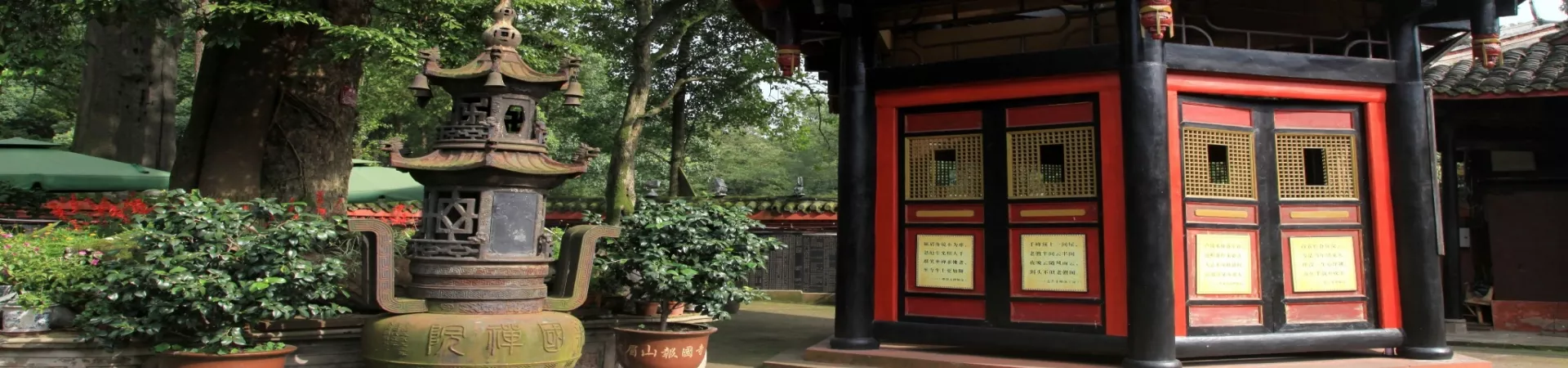
Subtitle: The Gateway to Emei Shan: A Journey Through History, Culture, and Serenity at Baoguo Temple
1. Introduction: The Mountain's Grand Portal Nestled at the foot of the majestic Mount Emei, a UNESCO World Heritage Site renowned for its breathtaking scenery and profound Buddhist significance, lies Baoguo Temple. More than just a temple, it serves as the traditional gateway and essential starting point for any pilgrimage or tour of the sacred mountain. As the largest temple complex on Emei Shan and the central hub for all Buddhist activities in the region, Baoguo Temple offers visitors a profound introduction to the spiritual and cultural heart of this iconic destination. It seamlessly blends historical grandeur, artistic treasure, and a palpable sense of tranquility, setting the perfect tone for the journey ahead.
2. Architectural Harmony and Historical Significance 2.1. An Imperial Welcome The temple's architecture presents a captivating picture of classical elegance, with its halls and courtyards arranged in a harmonious layout amidst lush, encircling greenery. The experience begins at the mountain gate, which bears a direct link to imperial China. Hanging above is a large horizontal plaque inscribed with the temple's name, "Baoguo Si," in the distinctive calligraphy of the Kangxi Emperor of the Qing Dynasty. This imperial endorsement underscores the temple's historical importance and offers a powerful first impression of its esteemed status.
2.2. The Echoes of the "Holy Accumulation Evening Bell" Within the temple grounds, visitors encounter one of the most celebrated cultural highlights of the entire Mount Emei area: the "Shengji Wan Zhong" or "Holy Accumulation Evening Bell." This ancient bell is the sole human-made spectacle ranked among the famed "Ten Scenes of Mount Emei." Its deep, resonant toll at dusk was historically said to echo through the valleys, creating a moment of profound peace. While the evening bell-ringing may follow a specific schedule, the bell itself stands as a magnificent artifact, symbolizing the deep intertwining of spiritual practice with the natural beauty of the mountain.
3. A Repository of Cultural Treasures 3.1. The Mount Emei Cultural Relics Management Office Beyond its role as an active place of worship, Baoguo Temple functions as a vital custodian of history. It houses the Mount Emei Cultural Relics Management Office, essentially a museum within the temple complex. This collection is remarkably diverse and significant, featuring artifacts that span millennia.
3.2. A Diverse and Ancient Collection The exhibits include fine examples of ceramics and jade, precious historical documents and traditional paintings, and intricately crafted metal utensils. Among the most notable items are weapons and tools excavated from the Warring States period (475–221 BC), providing a tangible connection to the ancient civilizations that thrived in the region long before the temple's establishment. This collection makes Baoguo Temple not only a spiritual center but also a key destination for understanding the broader historical and artistic heritage of Sichuan.
4. The Visitor Experience: Practicality and Atmosphere 4.1. A Sanctuary of Authenticity Despite its location at the bustling entrance to one of China's most popular scenic areas, Baoguo Temple has admirably retained an atmosphere of authentic devotion. The air is thick with the scent of incense offered by countless pilgrims and visitors, yet the site remains refreshingly devoid of heavy commercialism. This balance creates a genuinely reverent environment where devout followers can worship undisturbed, and tourists can appreciate a traditional temple experience focused on culture and serenity rather than commerce.
4.2. Essential Visitor Information * Location & Access: Baoguo Temple is the entrance portal to Mount Emei Scenic Area. It is easily accessible on foot from the nearby tourist service centers and transportation hubs at the mountain's base. * Admission Fee: CNY 8 per person. * Opening Hours: * Main Hours: 6:00 - 17:00 (last entry at 17:00). * Variation: 7:00 - 16:00 (last entry at 16:00) may apply on certain days. It is advisable to confirm the specific schedule for your visit date. * Suggested Visit Duration: 1 to 3 hours, allowing sufficient time to explore the halls, view the cultural relics, and absorb the tranquil ambiance. * Contact: For specific inquiries, the temple can be reached at +86 833 2578201.
4.3. Planning Your Ascent For visitors continuing up the mountain, it is useful to note the general operating hours for the main cable cars: * Golden Summit (Jinding) Cable Car: Typically operates from approximately 7:30 to 18:00, but schedules are subject to change based on season and weather. * Wannian Cable Car: * April 1 - October 31: ~7:00 - 18:00 * November 1 - March 31: ~7:30 - 18:00 All cable car times are subject to adjustment, and visitors are strongly advised to verify the latest schedules at the official scenic area ticket offices or information centers on the day of their visit.