Wuquanshan Park
Subtitle: A Comprehensive Visitor's Guide to Lanzhou's Woquan Mountain Park
Introduction Nestled against the northern slopes of the Gaolan Mountain in southern Lanzhou, Woquan Mountain Park stands as a verdant oasis of natural beauty and profound cultural heritage. The park's very name, "Woquan," meaning "Five Springs," originates from its five legendary, sweet, and clear mountain springs. This expansive park is characterized by its undulating hills, lush forests, and exceptionally tranquil environment, offering a peaceful retreat from the urban energy of Lanzhou. More than just a scenic spot, it is a harmonious blend of geological wonder and historical spirituality, famed equally for its natural springs and its collection of ancient Buddhist architecture, making it an essential destination for any visitor to the city.
The Legendary Five Springs The heart and soul of the park's natural appeal lie in its five eponymous springs, each with its own unique name and folklore. These springs are not merely water sources; they are integral to the park's identity and historical narrative. * Ganlu Spring (Sweet Dew Spring): Symbolizing purity and sweetness, this spring is often associated with refreshment and vitality. * Juyue Spring (Cupping the Moon Spring): Traditionally, it is said that on clear nights, the moon's reflection can be perfectly "cupped" in this spring's waters, creating a poetic and picturesque scene. * Mazi Spring (Touching for a Son Spring): Steeped in local custom, this spring is part of a folk belief where visitors would reach into the water in hope of a blessing for a son, reflecting historical cultural practices. * Hui Spring (Kindness Spring): Representing benevolence and grace, this spring adds to the thematic tapestry of the site. * Meng Spring (Enlightenment Spring): Often linked to clarity of thought and wisdom, complementing the park's religious structures. Together, these springs provide a continuous, gentle soundtrack of flowing water throughout the park's pathways and groves.
Architectural Heritage & Buddhist Culture Complementing the natural landscape is a remarkable assembly of ancient Buddhist temples and pavilions. These structures are masterfully designed to integrate with the mountainous terrain, creating a seamless dialogue between human artistry and nature. * Layout and Design: The temple complexes are built following the natural contours of the hillside. Corridors and pavilions interconnect in a seemingly spontaneous yet orderly manner, resulting in a layered, multi-level architectural wonder that is both grand and intimate. * The Zhuangyan Temple (庄严寺): A highlight within the park, this temple houses precious Ming Dynasty murals. These well-preserved wall paintings offer a direct window into the artistic styles and religious narratives of 14th-17th century China, providing immense historical and artistic value.
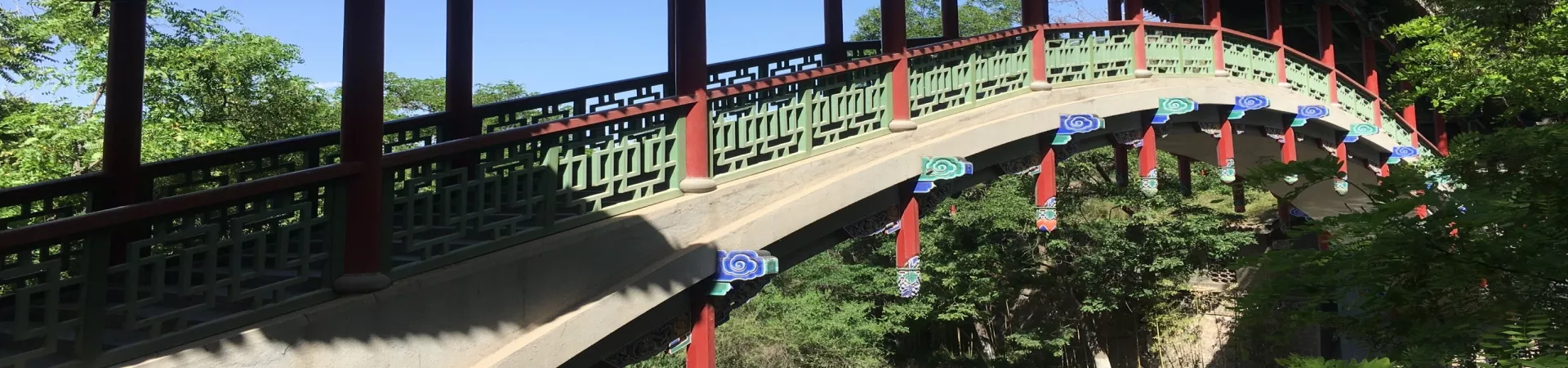
Exploring the Three Routes To fully appreciate the park's diverse offerings, it is organized into three main scenic routes—West, Central, and East. Each route presents a distinct character and ensemble of sights. * The West Route: This path likely emphasizes serene landscapes and perhaps quieter groves, leading visitors through a more contemplative natural setting. * The Central Route: Typically the core route, it often provides access to the main temple complexes, significant springs, and central viewing pavilions, serving as the backbone of the park's layout. * The East Route: This area may feature different architectural styles or unique natural vistas, completing the park's comprehensive experience. All routes are adorned with a variety of pavilions, towers, long winding pathways, arched bridges, and cascading streams, ensuring that every turn reveals a new, carefully composed scene. Despite their connectivity, each route maintains its own unique layout and system, encouraging exploration and rediscovery.
Practical Visitor Information Transportation: The park is easily accessible by public bus. Visitors can take bus routes 1 or 123 and alight at the "Woquan Mountain Park" bus stop. The entrance is within short walking distance from the stop. Opening Hours: The park is open daily from 8:00 AM to 6:00 PM. Last admission is at 6:00 PM. These hours apply year-round. Admission: Entrance to Woquan Mountain Park is completely free of charge, making it an accessible attraction for all visitors. Suggested Visit Duration: To comfortably explore the main routes, key springs, and temple areas, a visit of approximately 1 to 3 hours is recommended. Allotted time can vary based on pace and depth of exploration. Contact: For inquiries, visitors can call: 0931-8243247.
(Information last updated: January 10, 2023. Credit and thanks to contributor 大星 from Mafengwo for editorial participation.)