Qingcheng Ancient Town
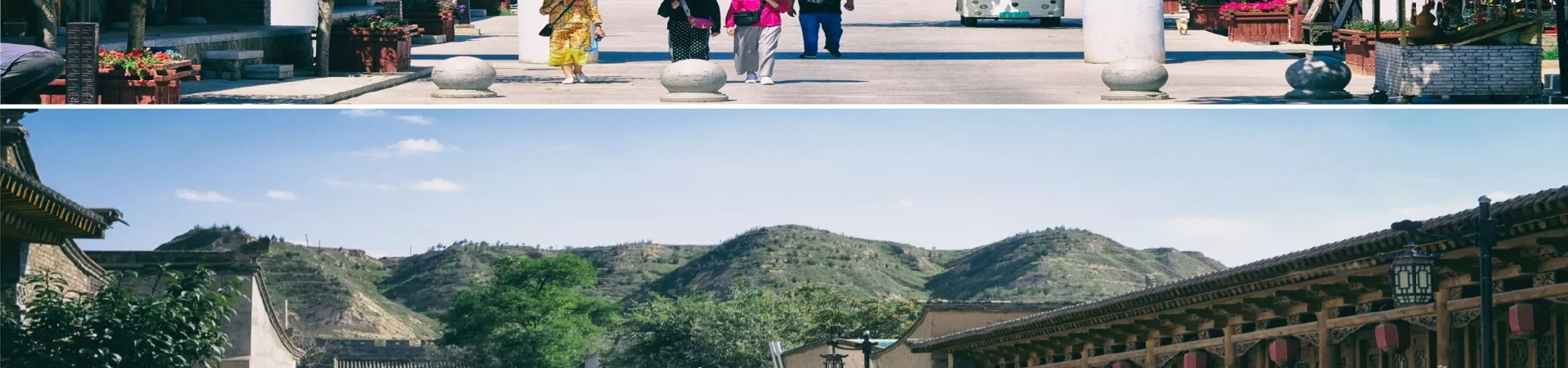
Subtitle: A Journey Through Time in Lanzhou's Riverside Gem
1. Introduction to Qingcheng Ancient Town
Nestled on the southern bank of the mighty Yellow River, at the northernmost tip of Yuzhong County in Gansu Province, lies Qingcheng Ancient Town. This settlement stands as Lanzhou's sole provincial-level historically and culturally famous town and is nationally recognized as a "Hometown of Folk Art." It represents a rare and precious treasure within Gansu, famed for its exceptionally well-preserved ancient residential architecture. More than just a collection of old buildings, Qingcheng offers visitors a tangible portal into the past, providing invaluable insight into traditional Northwest Chinese vernacular architecture and the local customs and lifestyles that shaped this unique region. Its authentic charm has not gone unnoticed by the film industry, having served as a backdrop for several television productions, including The Old Persimmon Tree and The Yellow River.
2. Planning Your Visit
2.1. Ticket Information Admission to the Qingcheng Ancient Town scenic area is priced at 30 RMB per person. This fee grants access to explore the core areas of the town, its ancient streets, and the various well-preserved residential complexes that form its heart.
2.2. Operating Hours The town's opening hours vary seasonally to accommodate daylight and weather conditions: * Summer Period (June 1st - August 31st): 08:00 - 18:00. Last admission is at 17:30. * Winter Period (December 1st - February 28th of the following year): 09:00 - 17:30. Last admission is at 17:30. It is always advisable to confirm times locally before your final journey, especially during shoulder seasons.
2.3. Suggested Duration To fully appreciate the ambiance, architecture, and details of Qingcheng, a visit of 1 to 3 hours is recommended. This allows for a leisurely pace to wander the ancient lanes, visit key courtyards, and absorb the historic atmosphere without feeling rushed.
3. Getting to Qingcheng Ancient Town
3.1. Primary Transportation Method The most straightforward and common way to reach Qingcheng from Lanzhou city is a two-stage journey. First, travelers need to get to Yuzhong County. From Lanzhou, you can take a long-distance bus or other transport to Yuzhong County bus station. From Yuzhong County, regular coach services (passenger buses) depart for the ancient town. While specific schedules may change, these services are the standard mode of transport for both locals and visitors. For the most current timetable, inquiring at the Yuzhong bus station upon arrival is best.
3.2. Alternative Options For greater flexibility and convenience, especially for small groups, hiring a private car or taxi from Lanzhou or Yuzhong County is a highly effective option. This allows you to control your schedule and often provides a more direct route. While self-driving is possible for those who rent a car, ensure you have a reliable GPS or offline maps, as signage may be limited in some areas.
4. The Cultural and Architectural Heart of Qingcheng
4.1. A Living Museum of Northwest Vernacular Architecture The paramount appeal of Qingcheng Ancient Town is its stunning preservation of ancient residential architecture (古民居群). The town serves as an open-air museum, showcasing the building techniques, layouts, and aesthetic styles characteristic of the Hexi Corridor and Yellow River region. The dwellings, often built around central courtyards, feature elegant woodcarvings, traditional grey brickwork, and sloping tiled roofs that tell stories of a bygone era. These structures are not mere relics; they are critical for academic research into Northwest Chinese domestic life and social history, offering a window into the adaptation of architecture to the local climate and culture.
4.2. Immersion in History and "Northwest Customs" Walking through Qingcheng is an immersive experience in what is often termed "Northwest Customs" (西北风情). The narrow, winding lanes, the weathered stone pathways, and the sturdy, earth-toned facades collectively evoke a sense of resilience and timelessness. This authentic environment powerfully conveys the historical daily life, community structure, and artistic sensibilities of the people who lived here along the Yellow River. It's a stark and beautiful contrast to China's modern metropolises.
4.3. A Hub for Folk Art and Cultural Legacy Its designation as a "Hometown of Folk Art" is a testament to Qingcheng's living cultural traditions. While the architecture forms the stage, the town's cultural heritage is expressed through intangible arts. Visitors might encounter or learn about local craft traditions, folk performances, or storytelling customs that have been passed down through generations. This blend of tangible architecture and intangible culture makes Qingcheng a holistic destination for cultural enthusiasts.
4.4. The Cinematic Landscape The town's unspoiled and picturesque quality has made it a favored location for period films and television dramas. Productions like The Old Persimmon Tree and The Yellow River have utilized Qingcheng's authentic streets and buildings as natural sets. For visitors, this adds an extra layer of interest, allowing them to walk through scenes from popular stories and see the town through a cinematic lens.