Little West Lake
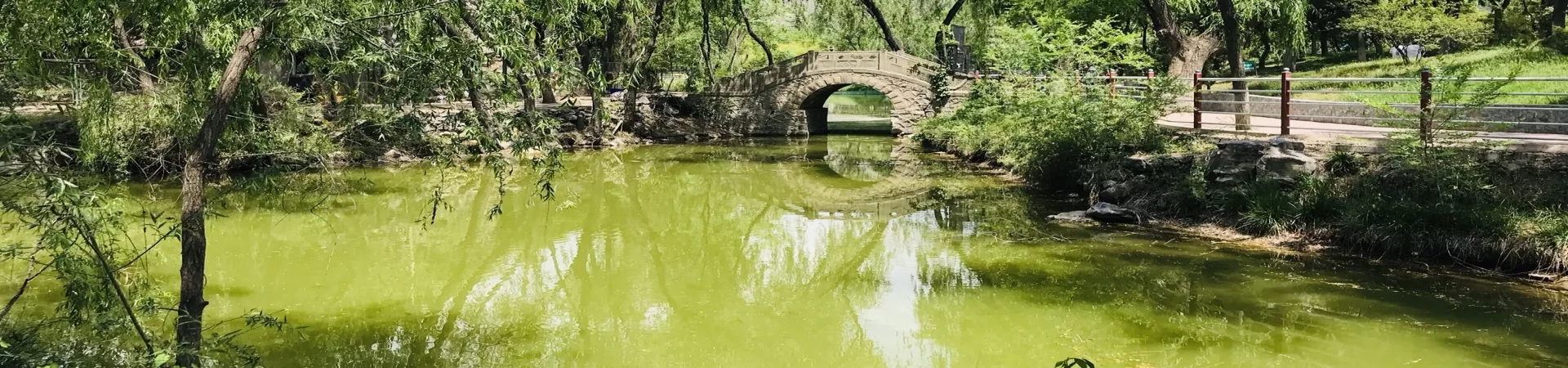
Subtitle: A Tranquil Oasis on the Yellow River: Unveiling the History and Charm of Lanzhou's Little West Lake Park
1. Introduction: A Historical Gem Amidst Modernity Nestled along the banks of the mighty Yellow River, within the famed 40-kilometer Yellow River Scenic Corridor of Lanzhou City, lies the Little West Lake Park (Xiǎo Xīhú Gōngyuán). This urban oasis is far more than a simple green space; it is a living chronicle of Lanzhou's history, a serene escape that whispers tales of its imperial past while offering a peaceful respite from the bustling city. For any visitor to Lanzhou, a journey to this park is a journey through time, artfully blending classical Chinese garden aesthetics with the vibrant life of the modern city.
2. A Storied Past: From Princely Gardens to Public Paradise 2.1. Imperial Origins and the Name "West Garden" The park's history is deeply rooted in the Ming Dynasty. Its origins trace back to the private landscaped garden of the Prince of Su's residence, then known as "West Garden" (Xī Yuán). This garden was a classic example of Chinese aristocratic landscaping, designed for contemplation and leisure, reflecting the refined tastes of the Ming elite.
2.2. Destruction, Reconstruction, and a Nostalgic Renaming Like many historical sites, the original garden did not survive the tumult of wars and time unscathed. Its significant revival came in 1880 under Governor Yang Changjun. Upon his transfer from Zhejiang Province to Gansu, he oversaw the garden's reconstruction. Stricken with nostalgia for the iconic West Lake (Xīhú) of his hometown Hangzhou, he renamed the site "Little West Lake." This act immortalized his longing for the southern water landscapes, forever linking this northwestern park to one of China's most famous scenic wonders. This heritage earned it a distinguished place as one of the "Eight Ancient Scenic Spots of Lanzhou," also poetically called "Lotus Pond under the Moonlight" (Liánchí Yèyuè).
2.3. Modern Rebirth as a Public Park The park as visitors experience it today represents a modern chapter. Established in 1980, with formal construction beginning in 1984, it was inaugurated as a public park on October 1, 1987. This transformation opened the historical and natural beauty of the site to all, democratizing what was once an exclusive imperial retreat.
3. Exploring the Park: Layout, Attractions, and Ambiance 3.1. Architectural and Natural Highlights The park is meticulously designed to offer a variety of experiences within its boundaries. It features nine distinct groups of scenic buildings and pavilions, each offering vantage points and architectural interest that harmonize with the natural surroundings. The layout encourages leisurely strolls, with pathways winding around the central water features.
3.2. The Central Role of Water True to its name, water is the soul of the park. The centerpiece is the lake itself, often dotted with lotuses, evoking the "Lotus Pond under the Moonlight" of old. Complementing this are two sets of fountain landscapes, which add dynamic movement and a refreshing atmosphere, particularly enchanting when illuminated in the evening.
3.3. Recreation and Leisure Facilities For families and those seeking active enjoyment, the park is equipped with twelve groups of recreational and amusement facilities. These provide lighthearted entertainment and are seamlessly integrated to ensure they do not detract from the overall tranquil ambiance.
3.4. The Extended Green Lung: Managing the Riverside Beyond its core area, the park's administration extends to a significant stretch of the Yellow River Scenic Corridor. It manages a 4.8-kilometer section of the South Binhe Middle Road, nurturing a lush 5,000-square-meter riverside greenbelt. This connection physically and visually ties the park's classical beauty to the grand, flowing spectacle of the Yellow River.
4. Practical Visitor Information 4.1. Location and Transportation The park is highly accessible via Lanzhou's public bus network. Multiple lines stop directly at the "Xiaoxihu" (Little West Lake) station, including routes 56, 77, 106, 107, 111, 118, 120, 130, 137, 139, 302, and 313. This makes it a convenient destination from virtually any part of the city.
4.2. Opening Hours and Admission The park is open daily from 7:30 AM to 7:30 PM, with last entry also at 7:30 PM. This schedule is consistent throughout the year, offering long hours for visitors to enjoy both morning tranquility and evening ambiance. For the most current information regarding ticket prices, as policies may vary, it is recommended to consult directly with the park administration upon arrival or check official local tourism resources.
4.3. Suggested Duration of Visit To fully appreciate the park's landscapes, historical sites, and relaxed pace, a visit of one to three hours is ideal. This allows ample time for a comprehensive walk, moments of rest by the lake, and exploration of its various nooks and pavilions without feeling rushed.