Lanzhou University
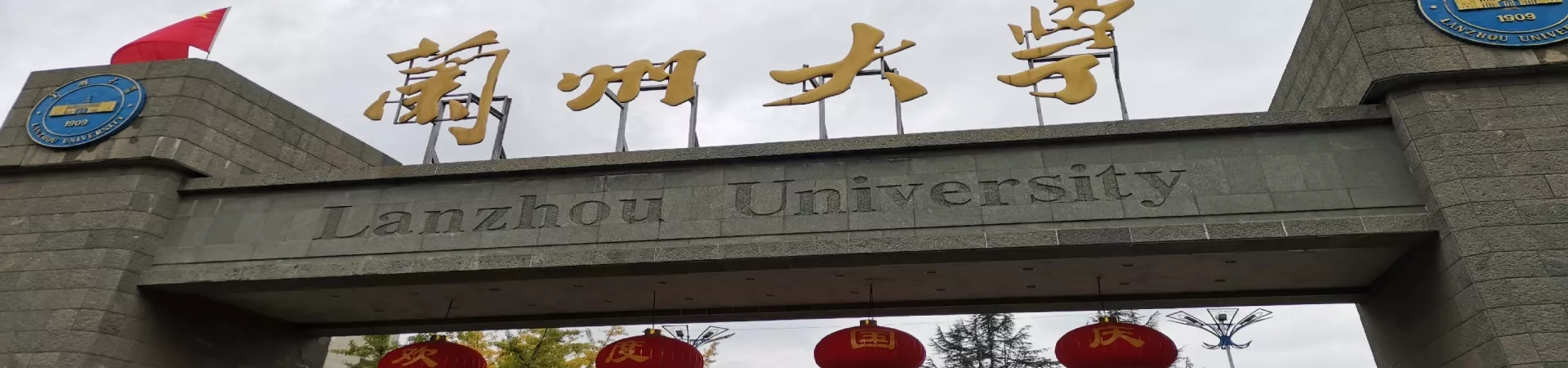
A Visitor's Guide to Lanzhou University: A Century-Old Beacon of Learning in Northwest China
Nestled in the heart of Lanzhou, the capital of Gansu Province, Lanzhou University (LZU) stands as a prestigious comprehensive university and a key national institution. Its story is deeply intertwined with the modern history of education in China's vast northwestern regions.
A Storied Past: The Genesis of Northwest China's Higher Education
- Founding and Historical Significance: Lanzhou University traces its origins back to 1909, founded as the Gansu School of Law and Politics during the New Policies period of the late Qing Dynasty. This establishment is widely recognized as the genesis of modern higher education in Gansu Province and, more broadly, a pioneering venture for advanced learning across the entire Northwest of China. It marked a significant step in bringing contemporary academic disciplines and thought to this historically important yet remote part of the country.
- Evolution and Growth: From its early focus on law and political science, the institution evolved and expanded through various historical periods, eventually being consolidated and renamed as National Lanzhou University in 1945. After the founding of the People's Republic of China, it continued to develop, merging with other local colleges and formally adopting the name Lanzhou University in the early 1950s. Throughout the 20th and into the 21st century, LZU has maintained its role as a crucial educational and research hub, contributing significantly to regional and national development despite geographical challenges.
The Campus Experience: Architecture, Ambiance, and Accessibility
- Location and Layout: The main campus is situated in the Chengguan District of Lanzhou, a bustling urban area. The campus itself offers a respite from the city's energy, characterized by tree-lined avenues, functional academic buildings from different eras, and open green spaces where students congregate.
- Architectural Landscape: While not primarily known for ancient architecture, the campus presents a mix of mid-20th-century Soviet-influenced structures and more modern facilities. The overall atmosphere is one of scholarly seriousness and quiet dedication, reflecting the university's academic ethos. Key landmarks often include the main library, the grand auditorium, and various faculty buildings surrounding the central squares.
- Visitor Logistics:
- Getting There: The campus is easily accessible by public bus. Key bus routes that stop at or near the university include Bus 1, 10, 16, and 110, which have a stop named "Lanzhou University" (兰州大学站). Alternatively, Bus 801 stops at "Panxuan Road South Entrance" (盘旋路南口站), which is a short walk from the campus grounds.
- Admission and Opening Hours: The university campus is generally open to the public throughout the day, every day of the year. There is no entrance ticket required for casual daytime visits to the public areas of the campus. However, access to specific buildings like libraries, laboratories, or museums may be restricted to students and staff, and visitors should respect any posted signs.
- Important Consideration for Evening Visits: A crucial point for visitors to note is that access to the campus in the evening or at night is not guaranteed for the general public. Entry during these hours often requires prior permission or coordination with the university's Security Department (保卫处). It is highly advisable to plan your visit for daylight hours to ensure smooth access.
Academic Eminence and Cultural Role
- Academic Strengths: As a member of China's "Project 985" and "Project 211" initiatives for developing top-tier universities, Lanzhou University has built a strong reputation in several fields. It is particularly renowned for its research and programs in Chemistry, Physics, Atmospheric Science, Geology, Ecology, and Tibetan Studies. Its location provides unique advantages for research in plateau ecology, arid land agriculture, and the study of Central Asian and Silk Road cultures.
- A Cultural and Intellectual Hub: Beyond its academic walls, LZU functions as a vital cultural center for Lanzhou. It hosts public lectures, academic conferences, and sometimes cultural festivals that enrich the city's intellectual life. For a visitor, simply strolling through the campus offers a glimpse into the daily rhythm of student life in Northwest China and the enduring role of such institutions in fostering knowledge and talent, even in geographically constrained environments.
Practical Tips for Your Visit
- Best Time to Visit: Spring and early autumn offer the most pleasant weather for exploring the campus on foot.
- What to See: Focus on the central campus areas. Observe the activity around the main squares, visit any publicly accessible exhibition spaces (often found in library lobbies or student centers), and appreciate the general campus landscape.
- Etiquette: Remember that this is a working university. Maintain a respectful demeanor, keep noise levels down, especially near classroom and dormitory buildings, and do not enter buildings marked as restricted.
- Combining Your Trip: A visit to Lanzhou University can be effectively combined with other attractions in Chengguan District. The Gansu Provincial Museum, with its exceptional Silk Road exhibits, and a stroll along the Yellow River (Huang He) banks, perhaps visiting the iconic Iron Bridge (Zhongshan Bridge), make for a well-rounded day of cultural and historical exploration in Lanzhou.
In essence, a visit to Lanzhou University is more than a tour of a campus; it is an engagement with the history of educational perseverance in China's northwest. It provides insight into how a century-old institution has adapted and thrived, contributing profoundly to the region's scientific, cultural, and intellectual landscape. Its story is one of resilience and scholarly pursuit, set against the backdrop of Lanzhou's unique urban and natural environment.