Laiwu Lvzuquan Tourist Area
Subtitle: A Journey into Immortal Legends and Pristine Nature: The Lüzu Spring Eco-Cultural Tourism Zone
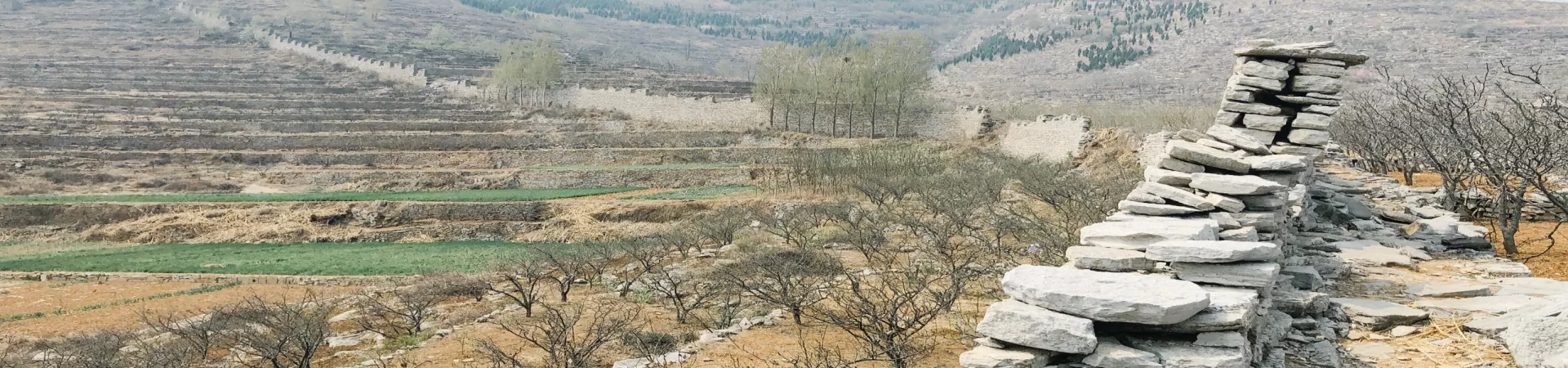
Introduction Nestled in the northern reaches of Laiwu City, Shandong Province, the Lüzu Spring Eco-Cultural Tourism Zone stands as a sanctuary of natural beauty, cultural heritage, and holistic wellness. Officially recognized as a National AAA-Level Scenic Area and a National Agricultural Tourism Demonstration Site, this expansive 3800-acre retreat is cradled by mountains on three sides, approximately 3 kilometers north of the Xueye Reservoir (China Aviation Sports Park). Its strategic location, about 60 kilometers from Jinan and 30 kilometers from downtown Laiwu, makes it an accessible escape. The area is renowned for its dense forests, exceptionally high vegetation coverage, perennial mountain springs, and a pristine ecological environment preserved in a remarkably原生 state. Steeped in Taoist mythology, the region is famously associated with the immortal Lü Dongbin (one of the Eight Immortals), who is said to have achieved enlightenment here, leaving behind a landscape dotted with legendary sites.
Section 1: Exploring the Core Attractions and Cultural Heritage
1.1. Pilgrimage to the Lüzu Sanctuary: Delving into the Eight Immortals Culture The heart of the tourism zone beats with the legends of the Eight Immortals. Visitors can embark on a cultural pilgrimage to explore sites and rock formations believed to bear the marks of these celestial beings. Key natural wonders include: * The White Water Spring (Bai Shui Quan): A clear, ever-flowing spring. * Fairy Breast Peak (Xianru Feng) and Fairy Breast Stone (Xianru Shi): Unique rock formations shrouded in legend. * The Immortal's Fist (Xian Quan) and Immortal's Footprint (Xian Jiaoyin): Imprints attributed to the passing of immortals. * The Golden Toad Stone (Jin Chan Shi), Monster Stone (Guai Shou Shi), and Kissing Dolphins (Hai Tun Jie Wen): Intriguing natural sculptures shaped by wind and water. * The Celestial Swan Looking Back (Tian E Hui Shou) and the Divine Turtle Stone (Shen Gui Shi): Other notable geological features.
Complementing these natural wonders are several exquisite man-made structures that deepen the cultural experience: * Lüzu Temple (Lüzu Miao): A temple dedicated to the immortal Lü Dongbin. * Eight Immortals Cave (Baxian Dong) and Eight Immortals Pavilion (Baxian Ting): Sites for reflection and enjoying the vistas. * Goddess Temple (Niangniang Miao): A place of worship. * Lake Viewing Pavilion (Guan Hu Ting): Offers panoramic views of the surrounding landscape and the Yuanbao Lake. * Eight Immortals Calligraphy and Painting Institute (Baxian Shuhua Yuan): Showcases artistic works inspired by the area's legends. * Leisure Restaurant and Local Dining Facilities: Provide opportunities to savor authentic regional cuisine.
Section 2: Immersing in the Natural Environment
2.1. Bathing in the Forest Oxygen Bar The tourism zone is a veritable fortress of greenery, with forest coverage exceeding 95%. This lush environment acts as a colossal natural air purifier, where the concentration of negative oxygen ions reaches an impressive 15,000 per cubic centimeter. The average temperature here is typically 5 degrees Celsius cooler than in the urban centers, providing a refreshing respite, especially during summer months. Visitors are encouraged to wander deep into the woods, breathe deeply, and literally "bathe" in this invigorating, health-enhancing atmosphere—a true immersion into one of nature's finest "oxygen bars."
Section 3: Seasonal Delights: Blossoms and Harvests
3.1. A Calendar of Floral Displays and Fruitful Adventures The area transforms with the seasons, offering a dynamic palette of colors and tastes. From spring blossoms to autumn harvests, it is a paradise for nature lovers and foraging enthusiasts.
3.2. Seasonal Itinerary for Flower Viewing and Picking: * Mid-March to May: A sequential bloom of winter jasmine, forsythia, apricot, peach, and pear flowers, followed by roses, paints the hillsides in vibrant hues. * May 1st to May 17th: The season for picking wild locust blossoms. * May 27th to Mid-July: A major highlight—the wild mulberry (sang shen) picking season. Notably, all mulberries are provided for free picking by visitors. This period kicks off with the Chunyang Festival on May 27th. * Mid-June to Mid-July: Harvest time for wild apricots and peaches. * August to September: The season for picking crystal pears and mountain walnuts. * October: The harvest of hawthorns and chestnuts. This month also features the Double Ninth Festival, which welcomes thousands of seniors for a "Healthy Tour." * Mid-September to Mid-October: An ideal time for hiking the Lüzu Spring immortal trails. Visitors during September 24th to 28th are treated to the spectacular bonus of observing international aviation performances hosted at the nearby China Aviation Sports Park.
Section 4: Savoring the Elemental Essence
4.1. The Gift of Lüzu Spring Water Beyond its landscapes and legends, the zone offers a precious resource from its very core: Lüzu Spring natural water. Newly developed, this weakly alkaline water (with a pH value of 8.0) has been rigorously tested by the Shandong Provincial Geological Environment Monitoring Center Laboratory. The results confirm that it is rich in 32 essential healthy elements beneficial to the human body. This premium quality water, recognized as meeting top international standards, is promoted for its potential to help balance the body and address sub-health conditions, allowing visitors to literally taste the purity of the region.
Practical Information for Visitors * Opening Hours: 07:30 - 17:30 daily (including weekends and public holidays). Last admission is at 17:30. These hours are generally maintained throughout the year (January 1st to December 31st). * Contact Telephone: +86 634 6571666