Fanggan Scenic Area
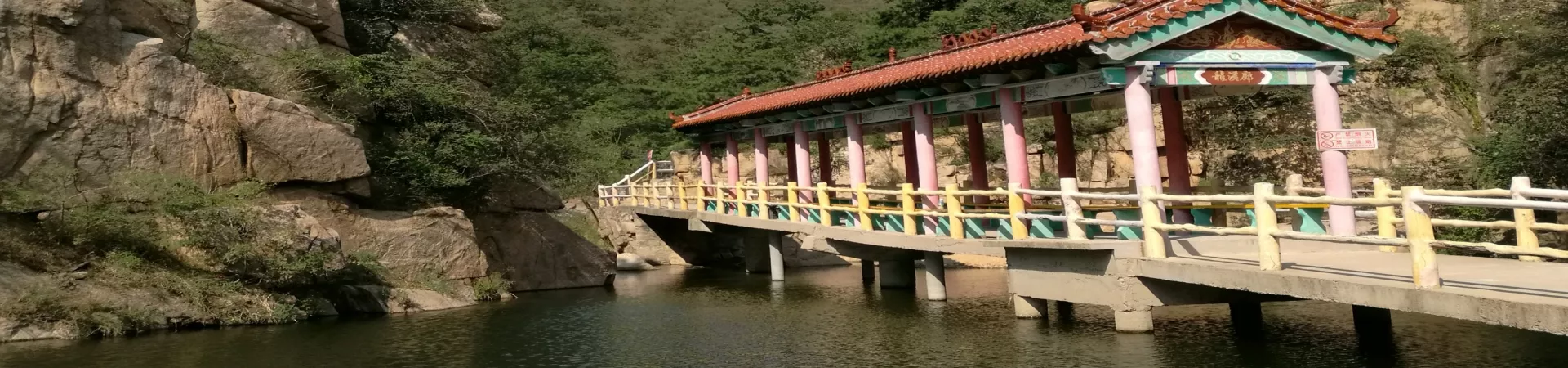
Subtitle: A Comprehensive Guide to Visiting Fanggan Scenic Area, Laiwu, China
1. Introduction to Fanggan Scenic Area Nestled in the heart of Shandong Province, within the administrative boundaries of Laiwu City, the Fanggan Scenic Area stands as a remarkable testament to ecological conservation and rural revitalization. Often hailed as a "Green Paradise" and "The Emerald of Central Shandong," this area has transformed from a once barren and impoverished village into a nationally recognized model for eco-tourism and sustainable development. The scenic zone encompasses a breathtaking tapestry of deep ravines, serene forests, clear streams, and unique karst cave formations, offering a pristine escape into nature. It is not merely a tourist destination but a profound story of human perseverance and harmony with the environment, providing visitors with a multifaceted experience that combines natural beauty, geological wonders, cultural insights, and leisure activities.
2. Planning Your Visit: Essential Practical Information
2.1. Opening Hours and Best Time to Visit The operational hours of Fanggan Scenic Area vary seasonally to ensure visitor safety and accommodate daylight changes. * Summer Season (June 1st - August 31st): The area is open from 07:30 to 17:30 daily, with last admission at 17:00. This period is ideal for experiencing the lush greenery, enjoying cooler temperatures in the forest, and witnessing waterfalls at their most vigorous. * Winter Season (December 1st - February 28/29th): Hours are from 07:30 to 17:30, with a last entry cutoff at 16:00. The winter landscape offers a stark, quiet beauty, with potential frost-covered scenes and fewer crowds.
Visitors are strongly advised to confirm the latest timings before their trip, as adjustments may occur due to weather conditions or special events. The most recommended times for visitation are late spring through early autumn (May to October), when the climate is most pleasant, and the natural scenery is at its peak vibrancy.
2.2. Location and Transportation Fanggan Village is situated approximately 50 kilometers north of downtown Laiwu. While public transport options exist, they may require multiple connections. * By Private Vehicle: This is the most convenient mode of access. The journey from Laiwu city center typically takes about 1 to 1.5 hours via provincial roads and well-signposted mountain routes. Ample parking is available near the scenic area entrance. * By Public Transport: Travelers can take a bus from Laiwu's long-distance bus station to nearby towns like Xueye or Daqiao, followed by a local taxi or minibus to Fanggan. It is advisable to check current bus schedules in advance and be prepared for a less direct journey.
3. Exploring the Natural and Cultural Highlights
3.1. The Core Natural Attractions The scenic area is a haven for nature enthusiasts, featuring several interconnected valleys and sites. * Jiulong (Nine Dragons) Gorge: This is the heart of the area's landscape, known for its winding paths alongside crystal-clear streams, numerous pools, and cascading waterfalls. The gorge is shaded by dense canopy cover, making it a cool retreat even in summer. * Jin Tai (Golden Platform) Valley: Offering slightly more rugged trails, this valley features impressive rock formations and quieter paths, leading to panoramic viewpoints. * Karst Cave Systems: Explore fascinating limestone caves such as the "Fairy Cave" or "Mysterious Valley Cave," adorned with stalactites and stalagmites illuminated by strategic lighting, revealing millions of years of geological history.
3.2. The Story of Fanggan Village: From Poverty to Green Model A visit is incomplete without understanding the human endeavor behind the scenery. Since the 1970s, the villagers of Fanggan, under determined leadership, embarked on a decades-long mission of afforestation and soil conservation. They terraced hillsides, planted millions of trees, and managed water resources, fundamentally altering the local ecology. This remarkable turnaround from a "barren mountain and foul water" to a "green mountain and clear water" has earned Fanggan numerous national honors in ecology and poverty alleviation. This narrative is integral to the site's identity and is often shared through local guides or informational displays.
4. Activities, Accommodation, and Tips
4.1. Recreational Activities and Experiences Beyond hiking and sightseeing, Fanggan offers varied activities: * Hiking and Trekking: A network of well-maintained trails caters to different fitness levels, from leisurely walks along plank roads in the gorges to more strenuous climbs up surrounding hills. * Bamboo Rafting: During the warmer months, enjoy a tranquil bamboo raft ride on certain calm stretches of the stream within the valleys. * Local Cultural Interaction: Visit the village itself to see the orderly, clean residential areas, sample local agricultural products like walnuts and chestnuts, and appreciate the community spirit.
4.2. On-Site Facilities and Staying Overnight * Accommodation: Options range from simple but clean guesthouses (农家乐, nongjiale) run by local families, offering a genuine rural homestay experience and home-cooked meals, to more comfortable eco-lodges or small hotels within the scenic area or at its periphery. * Dining: Most accommodations provide dining services featuring Shandong countryside cuisine, with dishes prepared from locally sourced ingredients, including fresh vegetables, free-range poultry, and river fish.
4.3. Visitor Tips for a Smooth Journey * Footwear and Clothing: Wear sturdy, comfortable walking shoes with good grip, as paths can be uneven or slippery near water. Dress in layers according to the season. * Hydration and Snacks: Carry sufficient water, especially during long hikes. While food is available at designated spots, having some energy snacks is recommended. * Cash and Connectivity: Bring some cash, as remote payment terminals might occasionally be unreliable. Mobile network coverage is generally available but can be variable in deep valleys. * Respect the Environment: Adhere to the principle of "Leave No Trace." Dispose of all waste in designated bins, avoid picking plants or disturbing wildlife, and stay on marked trails to protect the fragile ecosystem that the community has worked so hard to restore and preserve.