Tianbo Yang Mansion
Subtitle: A Journey Through Loyalty and Legend: Exploring Kaifeng's Tianbo Yang Residence
Introduction: Stepping into a Saga In the ancient city of Kaifeng, a former capital echoing with the grandeur of the Song Dynasty, lies a site that transcends mere historical architecture. The Tianbo Yang Residence (天波杨府, Tiānbō Yáng Fǔ) is a living monument to loyalty, martial valor, and one of China's most cherished legendary families. More than just a collection of halls and gardens, it is a portal where history, folklore, and serene beauty converge. A visit here is an immersive experience—listening to the epic tales of the Yang family generals, strolling through meticulously recreated classical landscapes, and feeling the profound spirit of patriotism that has been celebrated for nearly a millennium. This integration of narrative and scenery offers a uniquely captivating journey, distinct from any other historical site in China.
1. The Legendary Backdrop: The Yang Family Generals 1.1. A Pillar of the Song Dynasty The residence is dedicated to the Yang family (杨家将, Yáng Jiā Jiàng), a multi-generational military clan revered as national heroes during the Northern Song Dynasty (960–1127 AD). For generations, they served as the empire's foremost defenders against northern nomadic invasions, embodying the Confucian virtues of loyalty (忠, zhōng) and filial piety (孝, xiào). Their stories, immortalized in folklore, operas, and novels like "The Generals of the Yang Family," have shaped Chinese cultural consciousness, transforming historical figures into symbols of unwavering courage and sacrifice for the nation.
1.2. The Significance of "Tianbo" The name "Tianbo" itself carries imperial weight. It is said to have been bestowed by a Song emperor, granting the family the extraordinary privilege of having a mansion with a direct channel to the palace moat. This was not only a practical honor for a military commander but also a profound symbolic gesture, representing the direct and unimpeded loyalty flowing between the Yang family and the emperor they served. The residence, therefore, stands as a physical manifestation of this unique trust and honor.
2. Navigating Your Visit: Practical Information 2.1. Location and Transportation The Tianbo Yang Residence is situated within Kaifeng's rich historical district, near other famous sites like the Dragon Pavilion and the Iron Pagoda. The most convenient access is by public bus. * Primary Bus Routes: Take bus numbers 15, 49, 60, or the L601 inner ring line. * Alighting Point: Disembark at the Tianbo Yang Residence Gongjiao Sangongsi (天波杨府公交三公司) bus stop. The entrance is within a short and easy walking distance from there.
2.2. Admission Details and Operating Hours Planning your visit requires attention to seasonal variations in both pricing and opening times.
2.2.1. Ticket Pricing Structure Ticket prices are divided into standard, discounted, and free admission categories. Please note the special spring festival period. * Standard Ticket (Full Price): 40 RMB. This applies from April 1st to December 31st, and again from January 1st to February 15th. * Discounted Ticket (Half Price): Available for: * Minors aged 6 (not inclusive) to 18 (not inclusive). * Full-time undergraduate students and below (including from Hong Kong, Macau, and Taiwan) with valid student ID. * Certified teachers with a teacher's qualification certificate and ID. * Youth from Hong Kong, Macau, and Taiwan visiting mainland China with valid travel permits or student documents. * Free Admission: Granted to: * Children aged 6 and below, or those under 1.4 meters in height. * Seniors aged 60 and above with valid ID. * Individuals with disabilities presenting a valid disability certificate. * Active-duty military personnel with valid military ID (officer, soldier, or cadet). * Revolutionary disabled veterans with a valid disability certificate. * Special Note: A different pricing scheme is in effect during the Spring Festival period from February 16th to March 31st. It is advisable to confirm the exact ticket price for your visit date upon arrival.
2.2.2. Seasonal Opening Hours The residence adjusts its hours based on the season and daylight. * Summer Schedule (June 1st - August 31st): Open from 08:00 to 18:00, with last admission at 17:00. * Winter Schedule (December 1st - February 28/29th of the following year): Open from 09:00 to 17:00, with last admission at 17:00. * Shoulder Seasons (Spring & Autumn): Hours typically align closer to the summer schedule. It is recommended to allocate 1 to 3 hours for a comprehensive exploration of the grounds, exhibitions, and gardens.
2.3. Contact Information For any specific inquiries prior to your visit, you can contact the administration at: 0371-22890007 or 0371-22890559.
3. Experiencing the Residence: Architecture and Gardens 3.1. Architectural Layout and Symbolism The reconstructed complex is designed in a traditional Song-era architectural style, divided into distinct functional sections that reflect the family's status. The layout typically includes a ceremonial hall for official matters, living quarters, a ancestral temple for venerating forebears, and a drill ground for martial practice. The architecture is characterized by sweeping upturned eaves, intricate wooden bracketing (dougong), and a color scheme that emphasizes solemnity and elegance. Each building serves as a stage for the stories of the Yang generals, with statues, murals, and plaques detailing their exploits.
3.2. The Serene Classical Gardens Interwoven with the architectural structures are the traditional Chinese gardens, which form the "scenery" that complements the "stories." These gardens are designed according to classical principles, creating a microcosm of nature intended for contemplation and tranquility. * Water Features: Ponds and small streams meander through the property, their stillness reflecting the pavilions and sky, adding a layer of poetic beauty. * Rockeries and Flora: Carefully arranged artificial hills (rockeries), ancient-looking pines, blossoming plum trees, and bamboo groves create a landscape that changes with the seasons. These elements are not merely decorative; they symbolize virtues such as resilience, purity, and integrity—qualities synonymous with the Yang family. * Pavilions and Walkways: Winding covered walkways and small pavilions offer shaded spots to rest and view the garden from different perspectives, encouraging visitors to slow down and absorb the harmonious atmosphere.
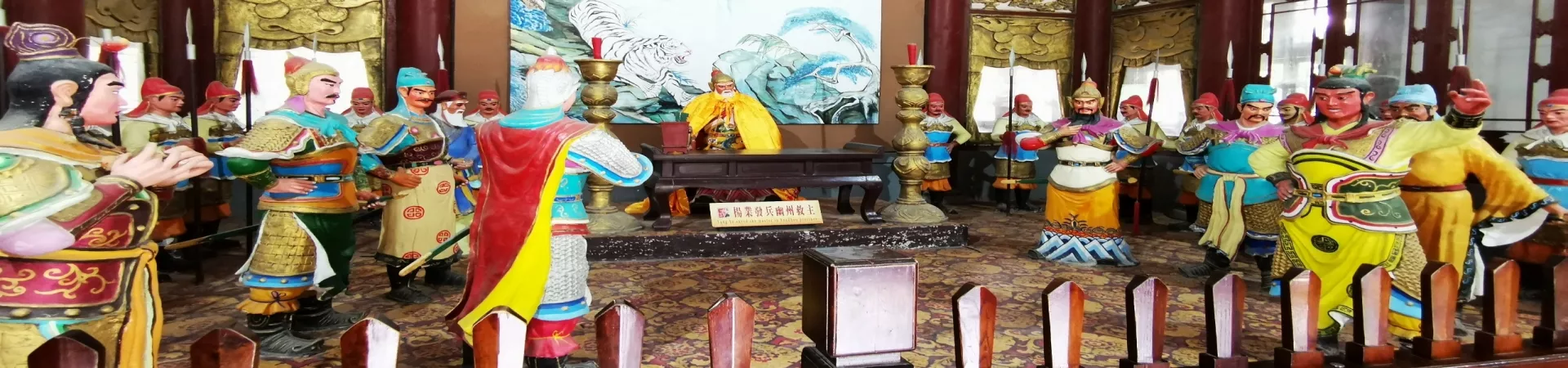
4. The Immersive Narrative: Where History Comes Alive The true magic of Tianbo Yang Residence lies in its ability to animate its history. Throughout the complex, you will encounter more than static displays. * Storytelling and Performances: At various points, particularly near key halls or the drill ground, storytellers or costumed performers may re-enact famous episodes from the Yang family sagas, such as the heroism of Yang Ye, the strategic brilliance of Mu Guiying (a legendary female Yang general), or the tragic sacrifice of the family's male heirs. Listening to these tales on the very ground they are associated with creates a powerful sense of connection. * Cultural Artifacts and Exhibitions: The halls house exhibitions of weaponry, ceremonial objects, calligraphy, and paintings related to the Song Dynasty military and the Yang legends. These artifacts provide historical context and deepen the understanding of the era's craftsmanship and martial culture. * Thematic Activities: Depending on the season and festivals, the residence may host special events like traditional archery demonstrations, lantern displays, or calligraphy workshops, further enhancing the interactive and cultural experience.
This seamless blend—where every corridor whispers a legend, every garden pond reflects a tale of sacrifice, and every architectural detail honors a code of honor—is what defines a visit to the Tianbo Yang Residence. It is not just a sightseeing stop but an engagement with the enduring soul of Chinese cultural heroism.