Shan Shan Gan Guild Hall
A Timeless Masterpiece: Unveiling the Architectural and Artistic Splendors of the Shanshan'gan Guild Hall in Kaifeng
Nestled slightly north of the bustling city center of Kaifeng, Henan Province, lies a serene and magnificent complex that stands as a silent testament to the commercial prosperity and exquisite artistry of bygone eras: the Shanshan'gan Guild Hall. Constructed over two centuries ago on the former site of a mansion belonging to descendants of Xu Da, the Ming Dynasty Duke of Zhongshan, this hall is not merely a historical site but a celebrated museum of architectural decoration. It is renowned across the Central Plains for its unparalleled "Three Wonders" – the breathtaking brick, stone, and wood carvings that adorn its structures, solidifying its status as a quintessential representative of Ming and Qing architectural artistry in Henan.
Originally known as the Shanshan Guild Hall, established by merchants from Shanxi and Shaanxi provinces, its name was later expanded to Shanshan'gan Guild Hall in the late Qing Dynasty, reflecting the inclusion of Gansu merchants. Today, it offers visitors a profound journey into the world of traditional Chinese craft, folklore, and the communal spirit of historical merchant guilds.
Stepping into a World of Artistry and Performance
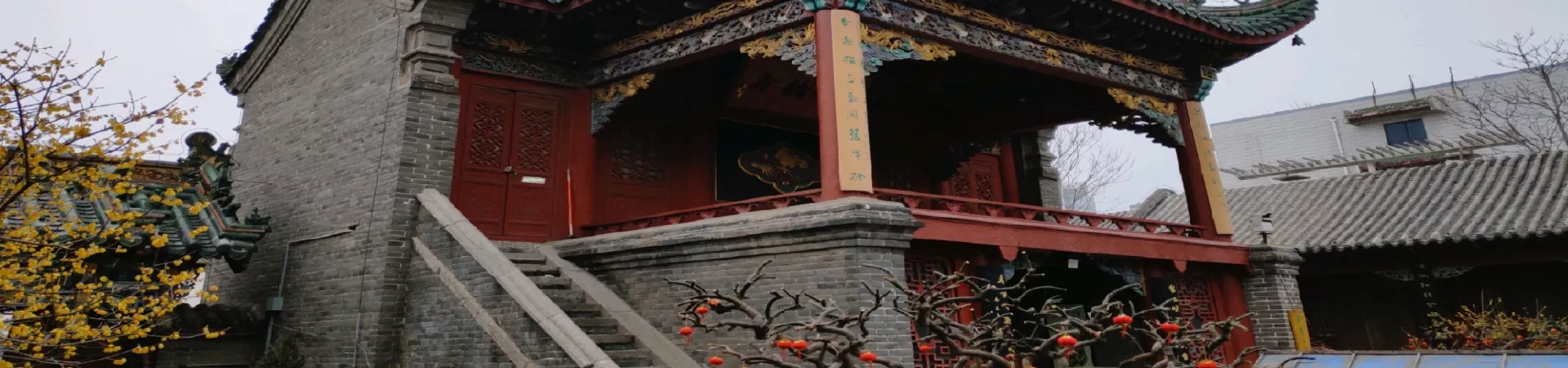
Upon entering the guild hall compound, visitors are immediately greeted by an elegant structure that once formed the heart of its cultural life: the Opera Tower (Stage Building). Also historically referred to as the Song Tower (or "Singing Tower"), this platform was the focal point for entertainment and ritual during the guild's active years. On occasions such as traditional festivals, sacrificial ceremonies, vow fulfillments, and birthday celebrations for deities or esteemed members, this stage would come alive with vibrant performances of local opera, storytelling, and music, serving both as a spiritual offering and a social gathering point for the merchant community far from their homeland.
The Crown Jewels: Exploring the "Three Wonders" of Carving
While the architectural layout is impressive, the true soul of the Shanshan'gan Guild Hall resides in its decorative arts. Every beam, pillar, bracket, lintel, and wall surface serves as a canvas for some of the most intricate and masterful carvings found in China.
The Grandeur of Wood Carving: The interior halls, especially the main hall and its surrounding pavilions, are a symphony in wood. The beams and eaves are densely covered with layered, openwork reliefs depicting scenes from Buddhist lore, Chinese mythology, and historical legends. Figures of deities, immortals, legendary heroes, and auspicious animals are rendered with astonishing vitality and precision. The depth and complexity of these carvings, often gilded or painted, showcase the pinnacle of Qing dynasty woodworking skill, transforming structural elements into dynamic narrative panels.
The Enduring Beauty of Stone Carving: Stone artistry grounds the hall in permanence and strength. From the foundational plinths and staircase railings to the majestic memorial archways within the complex, stone is sculpted into intricate designs. Lions, symbols of power and protection, stand guard, while pillars are engraved with poetic couplets and swirling patterns. The stone work provides a robust and elegant counterpoint to the more delicate wood, demonstrating a harmonious balance of materials.
The Narrative in Brick Carving: The exterior walls and gables are adorned with detailed brick reliefs. These fired-clay artworks often illustrate scenes of daily life, landscapes, and floral motifs. Their durability against the elements made them perfect for external decoration, telling stories and displaying symbols of prosperity and scholarly pursuit to all who approached the hall.
A Symphony of Color: The Danqing Polychrome Paintings
Complementing the three-dimensional carvings is another layer of artistic brilliance: the Danqing polychrome paintings. These traditional Chinese mineral-pigment paintings adorn the ceilings, beams, and interior walls. Featuring a rich palette and often outlined in gold, they depict auspicious clouds, dragons, phoenixes, and intricate geometric or floral patterns. These paintings are not merely decorative; they are deeply symbolic, reflecting folk beliefs and adding a layer of magnificent color that brings the entire wooden structure to life. The combination of the sculptural "three wonders" with these vibrant paintings creates a multisensory feast that is both culturally significant and visually stunning.
Essential Visitor Information
To plan your visit to this architectural treasure, please refer to the following practical details:
Getting There: The guild hall is accessible by public bus. You can take Bus No. 31 and alight at Xinjiekou Station. From there, it's a short 300-meter walk southeast to the entrance. Alternatively, Bus No. 10 or No. 4 to Gulou Station, followed by a 560-meter walk north, will also lead you to the site.
Admission Fees: A standard admission ticket is priced at 25 RMB per person. This applies year-round.
Opening Hours: Operating hours vary slightly by season:
- Summer (June 1 - August 31): 08:00 - 18:00 (last entry at 18:00).
- Winter (December 1 - February 28/29): 08:00 - 17:30 (last entry at 17:30).
Suggested Duration: To fully appreciate the details of the carvings and explore the complex at a leisurely pace, allocating 1 to 3 hours for your visit is recommended.
Contact: For any inquiries, you may contact the guild hall at 0371-25957411 or 0371-25954801.
A visit to the Shanshan'gan Guild Hall is more than a historical tour; it is an immersive encounter with the aesthetic ideals, craftsmanship, and communal identity of China's late imperial period. It remains a place where stone speaks, wood tells tales, and color sings, preserving the legacy of the merchant travelers who built it as their home away from home.