Kaifeng Museum
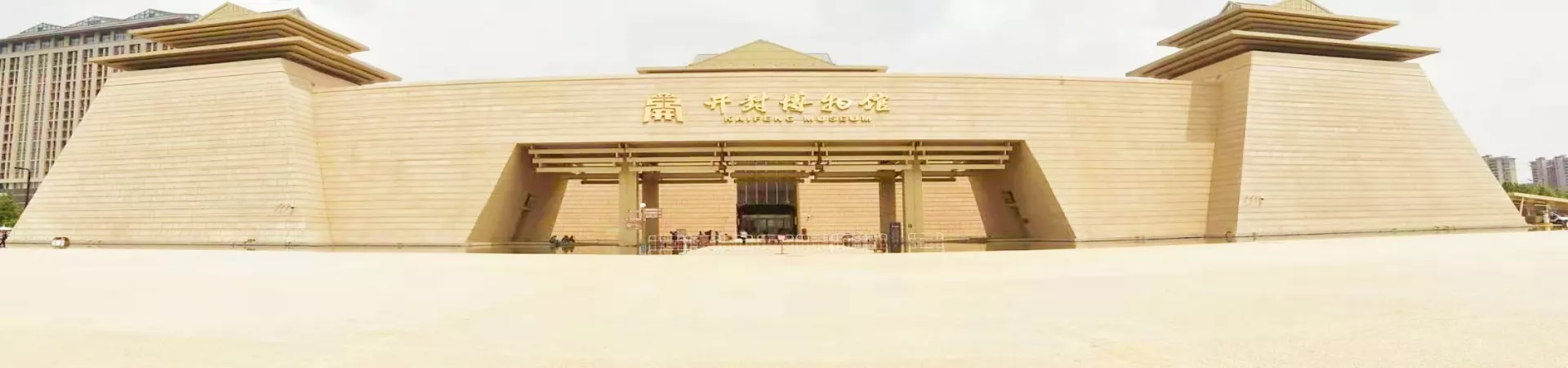
A Journey Through Millennia: The Definitive Visitor's Guide to Kaifeng Museum
Nestled in the ancient capital of the Northern Song Dynasty, Kaifeng Museum stands not merely as a repository of artifacts but as a silent narrator of one of China's most illustrious historical epochs. Its story begins in March 1962, originally established as the Kaifeng Exhibition Hall. Following the relocation of the provincial museum to Zhengzhou, the institution found its first permanent home on Sansheng Street. However, as the original building fell into disrepair and proved inadequate for its expanding mission, a new chapter was envisioned. In 1986, a new site was selected, leading to the construction of the modern facility that visitors see today. Its grand opening in September 1988 was celebrated as a landmark event for Kaifeng's cultural landscape. A significant expansion culminated in the opening of the current, state-of-the-art new museum building in March 2018, solidifying its role as the premier cultural gateway to the city's past.
Essential Visitor Information
- Opening Hours: The museum is open from 9:00 AM to 5:00 PM, Tuesday through Sunday, year-round. Last admission is at 4:00 PM. The museum is closed to the public every Monday.
- Admission Policy: In line with its mission to provide public access to culture and history, Kaifeng Museum offers free entry to all its permanent exhibitions and public service areas. Some special temporary exhibitions may carry a separate charge.
- Suggested Visit Duration: To fully appreciate the breadth and depth of the collections, a visit of 1 to 3 hours is recommended.
- Contact: For inquiries, visitors can call 0371-23299192.
Architectural Harmony and Layout
The design of the 2018 museum building is a profound statement in itself. It masterfully blends contemporary architectural aesthetics with subtle homages to Song Dynasty culture. The structure's layout and spatial organization are intended to guide visitors on a chronological and thematic journey. The expansive, light-filled atrium and intuitively designed galleries ensure a comfortable and immersive experience. The architecture does not overshadow the artifacts but rather creates a serene and respectful environment where history takes center stage.
Permanent Exhibition Galleries: A Thematic Deep Dive
The heart of Kaifeng Museum lies in its meticulously curated permanent exhibitions, which are organized thematically to tell the comprehensive story of the region.
The Song Dynasty: Kaifeng's Golden Age This flagship gallery is the museum's crown jewel. It transports visitors back to the 11th and 12th centuries when Kaifeng, then known as Bianjing, served as the thriving capital of the Northern Song Empire. The exhibition is structured to cover multiple facets of this sophisticated urban civilization.
- Urban Planning and Bianjing's Metropolis: Detailed scale models and digital reconstructions bring to life the grid-like streets, bustling markets (like the famous Dongjing Market), canals, and city gates of ancient Bianjing. Artifacts such as architectural components, drainage tiles, and street signs illustrate the advanced urban infrastructure.
- Economic Prosperity and Commerce: Exhibits showcase the era's economic vitality, highlighted by the world's first widely used paper money, the Jiaozi. Models of merchant ships, tax receipts, and imported goods underscore Kaifeng's role as a commercial hub connected to the Silk Road and maritime trade.
- Social Life and Cultural Flourishing: This section vividly depicts the daily life, entertainment, and artistic pursuits of Song citizens. Exquisite porcelain from famous kilns (Ru, Jun, Ding), finely crafted lacquerware, and replicas of elegant Song-style furniture are displayed. Interactive displays might explore the popular pastime of tea culture, the refined art of incense burning, and the vibrant festival celebrations.
- Scientific and Technological Achievements: The ingenious inventions of the period are featured, including movable type printing (building upon Bi Sheng's innovation), advanced astronomical instruments, and precise timekeeping devices, demonstrating the period's intellectual brilliance.
Ancient Chinese Ceramics: The Fire Artistry This gallery is dedicated to the evolution of Chinese ceramic art, with a strong emphasis on pieces from the Song Dynasty, renowned for its minimalist and elegant aesthetic.
- The Quintessence of Song Wares: A dedicated section celebrates the "Five Great Kilns" of the Song Dynasty: Ru, Guan, Ge, Jun, and Ding. Visitors can compare the subtle, monochrome glazes of Ru ware—often described as "sky after rain"—with the vibrant purple and blue splashes of Jun ware and the delicate incised designs of Ding ware.
- Historical Development: The exhibition traces the technological and stylistic progression of ceramics from the Neolithic painted pottery through the Tang Dynasty's tri-color glazes, to the zenith of Song refinement, and beyond to the later blue-and-white porcelain of the Yuan and Ming dynasties.
Kaifeng's Historical Trajectory Beyond the Song Dynasty, this gallery provides a broader chronological framework, exploring the area's long settlement history.
- Early Settlements and Bronze Age: Artifacts from archaeological sites reveal the presence of early communities during the Neolithic period and the Bronze Age, including pottery and simple tools.
- Strategic Commandery and Regional Center: Exhibits from the Warring States period through the Tang Dynasty illustrate Kaifeng's gradual development as a strategic prefecture and important canal-linked city, setting the stage for its later imperial status.
- Post-Song Evolution: The narrative continues through the Yuan, Ming, and Qing dynasties, showing how Kaifeng transformed after the fall of the Northern Song, remaining a significant regional administrative and commercial center. Paintings, maps, and documents from these periods chart the city's changing topography and enduring resilience.
Stone Carvings and Buddhist Art This gallery focuses on three-dimensional art, offering a glimpse into religious beliefs and funerary practices.
- Buddhist Sculpture: A collection of stone and wooden Buddhist statues from various periods, including serene Buddha figures and elaborate depictions of Bodhisattvas, reflects the spread and localization of Buddhism in the Central Plains region.
- Tomb Guardians and Epitaphs: Stone figures that once guarded tombs, such as mythical beasts and civil/military officials, are displayed alongside inscribed stone epitaphs, providing valuable historical data and insights into beliefs about the afterlife.
Special Exhibitions and Cultural Engagement In addition to its permanent collections, Kaifeng Museum hosts a dynamic roster of special temporary exhibitions. These exhibitions often focus on specific archaeological discoveries, loaned treasures from other national museums, or thematic explorations of art and history. The museum also serves as a vibrant cultural center, regularly organizing public lectures, educational workshops for children and adults, academic seminars, and cultural heritage promotion activities. These initiatives actively foster a deeper connection between the community and its shared past.
Visitor Experience and Amenities The museum is designed to be fully accessible and visitor-friendly. Amenities include a well-stocked gift shop offering replicas of famous artifacts, books, and cultural souvenirs, a café for refreshment, and spacious rest areas. Clear signage in both Chinese and English, along with optional audio guides, enhances the self-guided tour experience. The professional and knowledgeable staff are available to assist visitors, ensuring a smooth, educational, and enriching journey through the annals of time housed within the museum's walls.