Baogong Lake
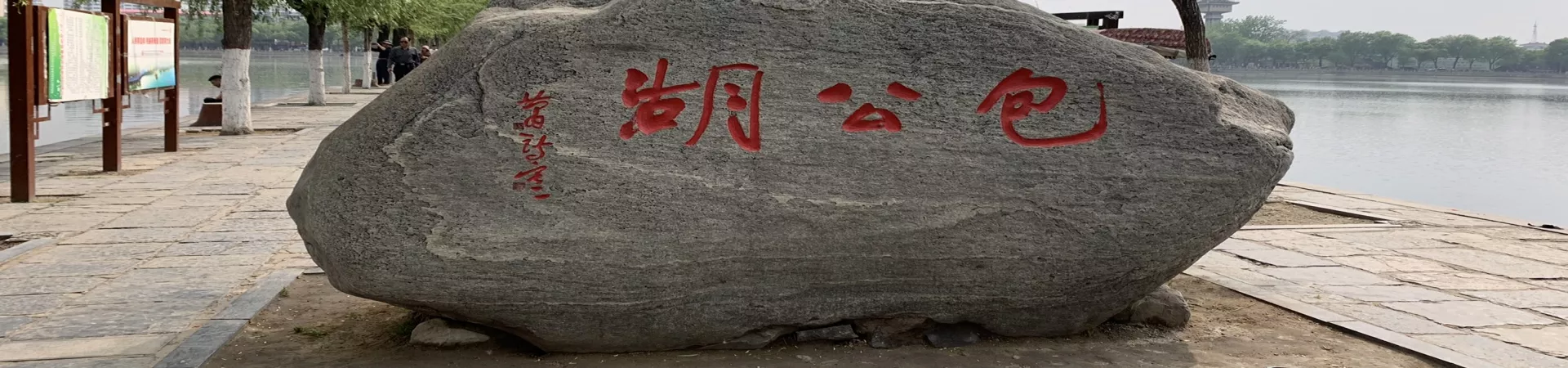
Subtitle: A Serene Urban Oasis Steeped in History and Legend
1. Introduction to Baogong Lake
Nestled within the ancient city walls of Kaifeng in Henan Province, Baogong Lake serves as a tranquil, historical heart in the midst of urban life. This city lake, located in the southwestern quadrant of the old town, is more than just a body of water; it is a scenic canvas upon which centuries of Song Dynasty heritage and the enduring legend of Justice Bao are vividly painted. Its unique geographical layout, resembling a reclining gourd oriented from northwest to southeast, adds a distinctive charm to the city's topography. The lake is seamlessly integrated into the modern cityscape, yet it perpetually whispers tales of its illustrious past, offering visitors a peaceful retreat and a profound cultural journey.
2. Historical Significance and Layout
2.1. A Legacy from the Song Dynasty Baogong Lake's history is deeply intertwined with Kaifeng's golden age as the capital of the Northern Song Dynasty. The area surrounding the lake was once part of the prestigious administrative and residential quarters. While the lake itself has undergone changes over millennia, its presence has been a constant in Kaifeng's urban narrative, serving various purposes from aesthetics to drainage throughout different eras.
2.2. The "Reclining Gourd" Topography The lake's most striking feature is its shape. Stretching in a northwest-southeast direction, it forms an elongated, curvaceous basin that locals poetically describe as a "斜躺的葫芦" (xié tǎng de húlu), or a reclining gourd. This natural form creates varied shorelines, offering different vistas and intimate corners for exploration. The lake's surface reflects the sky and the surrounding historical architecture, changing its mood with the light and seasons.
2.3. Modern Integration: Yingbin Road A fascinating aspect of the lake's integration into modern Kaifeng is Yingbin Road (迎宾路), a north-south thoroughfare that crosses directly over the middle-western section of the lake. This bridge provides a unique perspective, allowing both vehicles and pedestrians to traverse the water, connecting the city's districts while offering a momentary scenic interlude. South of the lake, Baogonghu South Road (包公湖南路) traces part of its perimeter, facilitating access.
3. Cultural Landmarks and Attractions Around the Lake
The true allure of Baogong Lake lies in the constellation of significant cultural sites that dot its shores, making a stroll around its perimeter a walk through history.
3.1. The Baogong Temple (包公祠) 3.1.1. Honoring a Symbol of Justice The most prominent attraction is the Baogong Temple, dedicated to Bao Zheng (999-1062), a Northern Song Dynasty official revered as an incorruptible judge and a symbol of justice, fairness, and loyalty. His legendary status in Chinese culture is immortalized here.
3.1.2. Temple Architecture and Exhibits This commemorative hall complex, rebuilt in recent decades in a traditional Song-style architectural manner, houses statues, historical relics, and narrative displays detailing Bao Zheng's life and famous cases. The serene temple grounds, with their ancient cypress trees, pavilions, and halls overlooking the calm lake waters, evoke a sense of solemnity and reverence. Visitors can delve into the folklore that has made "Justice Bao" a household name across East Asia.
3.2. The Yanqing Temple (延庆观) 3.2.1. A Taoist Heritage Site A short distance from the lake stands the Yanqing Temple, one of China's most important Taoist temples. Originally built in the Tang Dynasty and significantly expanded during the Song Dynasty, it represents a profound spiritual heritage.
3.2.2. Architectural Marvel: The Jade Emperor Pavilion Its most remarkable structure is the Jade Emperor Pavilion (Yuhuang Ge), a unique brick building that blends Han Chinese architectural elements with influences from Mongolian ger (yurt) design, a testament to the Yuan Dynasty's cultural fusion. This architectural rarity stands as a silent witness to Kaifeng's historical layers and religious diversity, providing a fascinating contrast and complement to the Confucian-inspired narrative of the Baogong Temple.
4. Practical Visitor Information
4.1. Admission and Opening Hours One of the greatest advantages of visiting Baogong Lake is its accessibility. The lake area itself and the public parks along its shores are free and open to the public 24 hours a day, every day of the year. This allows for flexible visitation, whether for a morning jog, an afternoon of sightseeing, or a peaceful evening stroll under the lights. Please note that specific attractions like the Baogong Temple and Yanqing Temple may have separate operating hours and admission fees, which should be checked locally.
4.2. Transportation and Access Reaching Baogong Lake is straightforward via Kaifeng's public bus system. Key bus routes that stop conveniently at the Baogong Temple (包公祠) station include: * Bus 16 * Bus 28 * Bus 24 Alighting at this stop places visitors directly at the heart of the lakeside cultural area. For those staying in the city center, the lake is also a pleasant walk or a short taxi ride away. The open layout encourages leisurely exploration on foot, allowing visitors to discover hidden vistas, local tea houses, and charming pathways at their own pace.
4.3. Suggested Experience To fully appreciate Baogong Lake, allocate at least half a day. Begin with a visit to the Baogong Temple to understand the cultural core, then take a leisurely walk along the lakeside. Cross the Yingbin Road bridge for a different viewpoint, and continue towards the Yanqing Temple to absorb its unique architectural and spiritual atmosphere. The lake is particularly enchanting in the late afternoon when the setting sun casts a golden glow on the water and ancient rooftops, and after dusk, when the lights from the temples and walkways create a reflective, serene ambiance.