Mount Lu Scenic Area
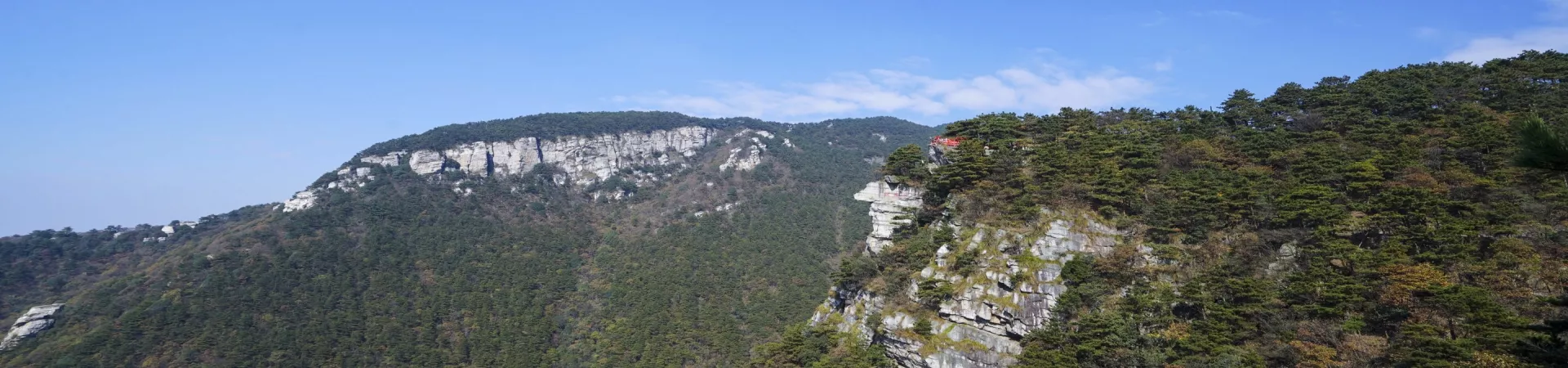
Mount Lu (Lushan): A Poetic Landscape Steeped in Culture and Natural Splendor
Introduction: The Mountain of Mist and Verse Rising majestically in southern Jiujiang City, Jiangxi Province in central China, Mount Lu (Lushan) stands as a monumental natural and cultural treasure. Framed by the mighty Yangtze River to the north and the vast Poyang Lake to the east, this sprawling scenic area covers approximately 302 square kilometers. Its complex topography is a dramatic tapestry woven from over 90 peaks—the highest being the Great Hanyang Peak at 1,473.4 meters—deep ravines, mysterious caves, thundering waterfalls, and serene streams. For millennia, this ethereal landscape, often shrouded in mist, has captivated the hearts and brushes of China's greatest poets and scholars. The most famous homage comes from the Song Dynasty literary giant Su Shi: "I can't tell the true shape of Mount Lu, because I myself am in the mountain." Today, this UNESCO World Heritage Site invites modern travelers to unravel its mysteries, offering a profound journey through breathtaking natural beauty, rich historical layers, and a unique collection of modern architectural heritage.
A Landscape Forged by Nature and Imagination
2.1. The Physical Tapestry: Peaks, Valleys, and Waterfalls Mount Lu is a masterpiece of geological diversity. The mountain range is not a single monolithic ridge but a constellation of granite peaks, each offering distinct vistas. Hiking trails wind through lush forests, leading to awe-inspiring lookouts. Among the most celebrated natural features are the "Three Step" Waterfalls (Sandiequan) and the Black Dragon Pool Waterfall (Wulongtan), where water cascades down verdant cliffs with tremendous force, especially after summer rains. The sea of clouds that frequently envelops the peaks, particularly at Hanyang Peak or Five Old Men Peak (Wulaofeng), creates a surreal, dreamlike panorama. Sunrise viewed from these vantage points is an unforgettable spectacle, as the first rays pierce the mist, illuminating a seemingly endless expanse of rolling hills and distant water bodies.
2.2. A Cultural Beacon: Poetry, Philosophy, and Painting Beyond its physical grandeur, Mount Lu's soul resides in its immense cultural significance. For over 2,000 years, it has been a spiritual sanctuary and a muse for artists. Taoist and Buddhist temples were established here as early as the 4th century. It became a central site for the development of Chinese landscape poetry and painting, with countless works immortalizing its changing moods. The mountain is a living textbook of Chinese aesthetic philosophy, where nature is seen as a direct expression of cosmic principles. The very phrase "庐山真面目 (True Face of Mount Lu)" has entered the common lexicon, symbolizing the ultimate truth that is hard to grasp from a limited perspective.
Modern Heritage and Visitor Experience
3.1. The Guling Town and the Villa Architecture A unique aspect of Mount Lu is Guling Town, a picturesque mountain resort nestled amidst the peaks at an altitude of about 1,160 meters. Developed primarily from the late 19th to early 20th centuries, Guling became a summer retreat for foreign diplomats, missionaries, and Chinese elites. This history left an extraordinary legacy: a stunning collection of over 600 historic villas blending various architectural styles—including Gothic, Baroque, Romanesque, and Eastern influences—into the mountain landscape. Strolling through the stone-paved streets of Guling and exploring these villas, such as the Mount Lu Meeting Site Museum, offers a fascinating glimpse into a unique chapter of modern Sino-foreign cultural exchange.
3.2. A Developed Tourist Destination Today, Mount Lu is a comprehensively developed scenic area designed to accommodate visitors while preserving its core environment. The main access and service hub is Guling Town, which offers a full range of accommodations, restaurants, and services. A highly efficient sightseeing bus system connects all major scenic spots within the mountain, making navigation convenient and reducing environmental impact. Well-maintained hiking paths cater to various fitness levels, from leisurely forest walks to more strenuous climbs to the highest peaks.
Practical Information for Visitors
4.1. Transportation: How to Get There and Around * To Jiujiang/Jiangxi: Visitors typically travel to Jiujiang City or Nanchang (the provincial capital) first via high-speed rail, train, or long-distance bus. * From Jiujiang to Mount Lu (Guling): * Tourist Bus: Direct buses to Guling are available from Jiujiang Railway Station Square (approx. 36 km, 50-minute journey). * Long-Distance Bus: Regular buses and minibuses depart from Jiujiang Long-Distance Bus Station approximately every 30 minutes. * Public Bus from Railway Station: Take Bus No. 1 from outside Jiujiang Railway Station to the Jiujiang Long-Distance Bus Station. * From the Ferry Terminal: Minibuses to Lushan are available near the Jiujiang Passenger Ferry Terminal. * From Nanchang: Direct buses depart from Nanchang Long-Distance Bus Station, with increased frequency during tourist seasons. * Within the Scenic Area: The Mount Lu Scenic Area Sightseeing Bus is the primary mode of transport between sites. Private vehicles have restricted access on the mountain roads.
4.2. Ticketing and Opening Hours * Entrance Fee: The standard entrance ticket is approximately RMB 160. * Sightseeing Bus Pass: A 7-day pass is highly recommended, costing around RMB 70 for adults and RMB 35 for children. * Opening Hours: The scenic area is open 24 hours, though specific sites and the sightseeing bus service have their own operating schedules (typically from early morning until evening). * Discounts/Exemptions: Discounted or free admission (for the entrance ticket only) is available for: * Half-price: Minors (6-18 years), full-time undergraduate students and below. * Free: Seniors (65+), children (under 6 or height under 1.2m), persons with disabilities, active military personnel, and消防救援人员 (fire rescue personnel). * Special Promotions: Past promotions have included free entry for national students and police officers from Jiangxi province. It is crucial to verify the latest policies on official platforms before your visit.
4.3. Suggested Duration and Tips * Recommended Visit Duration: A minimum of 2 full days is recommended to experience the mountain's highlights without rush. One day can be dedicated to the western scenic line (including Flower Path, Immortal's Cave, and Dragon Head Cliff) and another to the eastern line (including Five Old Men Peak, Three Step Waterfall, and Botanic Garden). Guling's villa district can be explored in the evenings. * Best Time to Visit: Spring (April-May) for blossoms and fresh greenery, summer (June-August) as a cool retreat (though it's the rainy and peak season), and autumn (September-October) for clear skies and stunning foliage. Winters are cold and can be icy but offer serene, snowy landscapes. * Important Notes: The mountain weather is highly changeable; pack layers, rain gear, and sturdy walking shoes. Always check the official website or contact the scenic area for the most current information on tickets, transportation, and trail conditions.
Information reference date: 2023-09-30. For the most accurate and updated details, please consult official Mount Lu Scenic Area announcements.