Three Precious Trees
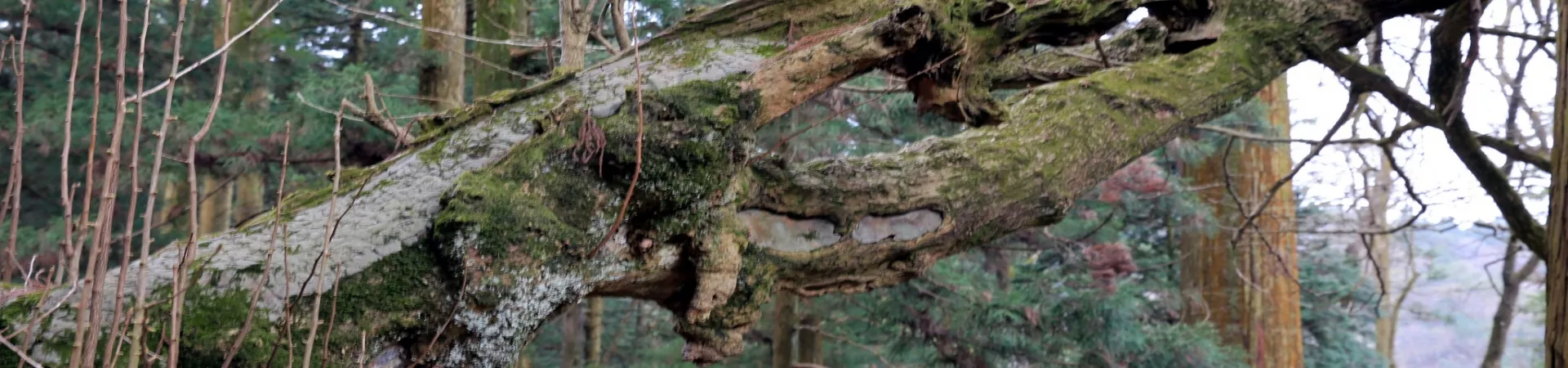
Subtitle: A Journey into the Heart of Lushan's Ancient Arboreal Sanctuary
1. Introduction: The Legendary Trio of Lushan Mountain
Nestled within the profound greenery and mist-shrouded peaks of the Lushan Mountain Scenic Area, a UNESCO World Heritage Site, lies a place of quiet reverence and natural wonder: the Sanbao Shu, or the Three Precious Trees. This site, more than a mere collection of ancient flora, serves as a living bridge connecting visitors to the deep historical and spiritual layers of Lushan. It is not simply a destination but an experience—a chance to stand in the presence of millennia, enveloped by an atmosphere of timeless tranquility. The name itself, derived from three extraordinary ancient trees, hints at the sacred status they have held for generations, making a visit here an essential chapter in any exploration of Jiujiang's crown jewel.
2. The Arboreal Monarchs: Unveiling the Three Precious Trees
The soul of this sanctuary is, unequivocally, the three towering arboreal giants that dominate the landscape. Their sheer scale is the first quality to inspire awe, creating a natural cathedral of intertwined branches and dappled sunlight.
2.1. Botanical Identity and Stature The trio consists of two Japanese Cedars (Cryptomeria japonica) and one Ginkgo (Ginkgo biloba). The cedars, each soaring to approximately 40 meters in height, stand as silent, evergreen sentinels. Their massive, straight trunks, covered in reddish, fibrous bark, pierce the forest canopy. Beside them, the Ginkgo tree, though slightly shorter at around 30 meters, possesses a grandeur all its own. Its trunk is so immense that it would take several people linking arms to encircle it, and its form, especially when bare in winter, resembles a majestic, layered pagoda reaching for the sky. Together, they create a dense, green vault that blocks out the sun, giving the clearing below a cool, serene, and somewhat mystical ambiance.
2.2. Historical Roots and Cultural Significance The trees are not merely old; they are woven into the fabric of local legend and history. Traditionally believed to be over a thousand years old, they are affectionately called "ancient ke trees from a bygone era." A stone stele at the base bears the engraved characters "晋僧昙诜手记" (Jìn sēng Tánshēn shǒujì), which translates to "hand-planted by the monk Tanshen of the Jin Dynasty." This inscription links the trees directly to the period of Buddhist flourishing on Lushan Mountain, suggesting they were planted by this revered monk over 1,500 years ago. This historical connection elevates them from natural wonders to cultural relics, symbols of perseverance, spiritual devotion, and the harmonious intersection of human history and nature's enduring power. Recognizing their invaluable status, these trees are now under stringent state protection as key cultural relics.
3. Practical Guide for the Visit
To fully appreciate the Three Precious Trees, some practical planning is essential for a seamless and enriching experience.
3.1. Location and Access within Lushan The Three Precious Trees are situated in a deep valley between the Huanglong (Yellow Dragon) Pool and the beautiful Lulin Artificial Lake. The most atmospheric approach is on foot. From the banks of the Huanglong Pool, a well-maintained stone-step path winds approximately 300 meters uphill through a lush forest. This short hike is part of the adventure, with the sounds of flowing water and birdsong building anticipation before the ancient giants reveal themselves.
3.2. Admission and Opening Hours Access to the Three Precious Trees is included in the all-encompassing through-ticket for the Lushan Mountain Scenic Area. There is no separate entrance fee for this specific site. The area is accessible to visitors 24 hours a day, every day of the year. However, the most recommended and safest time for a visit is during daylight hours, when the play of light through the leaves and the details of the bark and surrounding flora are fully visible.
3.3. Suggested Duration A visit to the Three Precious Trees typically requires 1 to 3 hours. This allows ample time for the walk from nearby attractions like Huanglong Pool, a period of quiet contemplation at the tree site, photography, and reading any informational plaques. It can be comfortably combined with visits to the surrounding waterfalls, pools, and temples for a half-day excursion.
4. Journey to Lushan: Transportation Overview
As the Three Precious Trees are an integral part of the vast Lushan Mountain Scenic Area, reaching Lushan is the first step.
4.1. By Private Vehicle * From Jiujiang City: Take the Ring Lushan Avenue directly to the East Gate of Lushan Mountain. * From Nanchang or Other Directions: Drive along the Beijing-Kowloon Expressway (G105), exit at Xingzi, and then follow the Ring Lushan Highway to the mountain gates. Note that private vehicles often have restricted access on the main mountain roads during peak seasons, requiring a transfer to the official scenic area tour buses at the foothill transfer centers.
4.2. By Public Transport * From Jiujiang City: Regular shuttle buses to Lushan Mountain depart from two main locations: Sanli Street (opposite the Armed Police Corps compound) and Shili Dalou. These buses run frequently, approximately every 15 minutes, from early morning (around 6:00 AM) until evening (around 6:00 PM). The journey from downtown Jiujiang to the mountain takes about 30 minutes. * Internal Scenic Transport: Upon arrival at Lushan's main scenic area (e.g., Guling Town), visitors can utilize the efficient and eco-friendly scenic sightseeing buses that connect all major attractions, including the stop nearest to the path leading to Huanglong Pool and the Three Precious Trees.
5. The Immersive Experience: Beyond Sightseeing
A visit to the Three Precious Trees transcends checklist tourism. It is an immersive sensory and reflective experience. The air here is noticeably cooler and carries the rich, earthy scent of moss and ancient wood. The soundscape is a gentle symphony of rustling leaves high above, distant water, and bird calls. Standing at the foot of these living monuments, one cannot help but feel a profound sense of temporal scale—the brief span of human life against the trees' silent witness to centuries of dynastic changes, monastic prayers, and the endless cycle of seasons. It is a place that invites quiet reflection, deep breathing, and a genuine connection with a natural and historical legacy that has been carefully preserved. For the thoughtful traveler, it becomes a highlight not just for its visual spectacle, but for the palpable sense of peace and continuity it imparts.