Lushan Sandai Spring
Subtitle: A Comprehensive Visitor's Guide to Lushan's Three-Step Waterfall
1. Introduction to San Die Quan (Three-Step Waterfall)
Nestled within the Jiudie Valley (Nine Fold Valley) on the southeastern side of the Lushan Mountain Scenic Area in Jiujiang, China, San Die Quan, or the Three-Step Waterfall, stands as one of the most breathtaking natural wonders in the region. Revered as the "Number One Spectacle of Lushan," this magnificent waterfall captivates visitors with its unique geological formation and awe-inspiring beauty. The waterfall originates from the northern cliff of the Wulao Peak (Five Old Men Peak), where water cascades down, striking three massive, tiered rock formations. This successive impact creates the distinct "three steps" or layers that give the falls its name. With a total drop of approximately 155 meters, the sight of water plunging over these colossal steps is a powerful and unforgettable spectacle, embodying the majestic grandeur of Lushan's landscape.
2. The Natural Splendor and Seasonal Variations
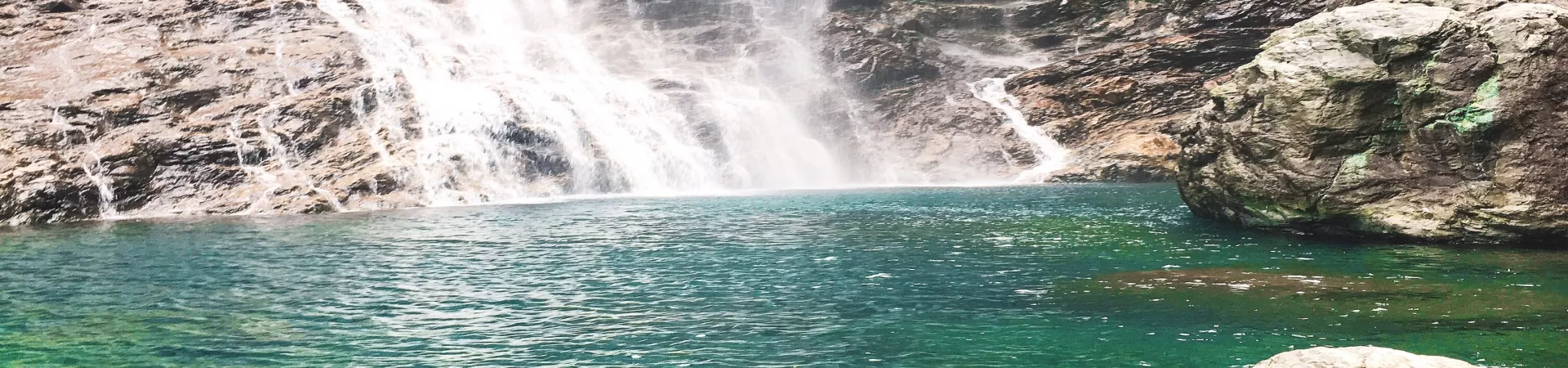
2.1. Geological Formation and Visual Impact The Three-Step Waterfall is a masterpiece of natural erosion and hydrology. Each "step" consists of a large, dish-shaped rock basin that has been carved out over millennia by the relentless force of the falling water. The first step is wide and gathers the water into a roaring curtain. It then crashes onto the second step, which often creates a misty, turbulent pool, before finally converging and making the dramatic final plunge into the deep, emerald-green pool below. The thunderous sound, the pervasive mist in the air, and the rainbow often visible on sunny days combine to create a multi-sensory experience of raw natural power.
2.2. Seasonal Beauty: When to Visit The character of San Die Quan transforms dramatically with the seasons, offering a different kind of beauty throughout the year.
- Spring and Early Summer (April to July): This is widely considered the optimal time for visitation. Melting snow from the mountain peaks and seasonal rainfall significantly increase the water volume. The waterfall becomes a mighty, roaring torrent, with water gushing forcefully over each step in a continuous, powerful stream. The surrounding foliage is lush and vibrant, enhancing the scene's vitality.
- Autumn (September to November): The water flow moderates, revealing more of the intricate rock textures and formations beneath the cascade. The surrounding mountainsides blaze with the colors of autumn—reds, oranges, and yellows—providing a stunning, painterly backdrop to the silvery waterfall.
- Winter (December to February): During cold spells, the waterfall undergoes a magical transformation. The spray and flowing water can freeze, creating spectacular ice formations, icicles, and frost-covered vegetation around the steps. The waterfall may reduce to a delicate, crystalline trickle, offering a scene of serene, frozen beauty starkly different from its summer ferocity.
3. Practical Visitor Information
3.1. Location and Access San Die Quan is located within the Lushan National Park, a UNESCO Global Geopark. The specific access point is often through the East Gate area of the scenic zone.
3.2. Transportation The most straightforward public transportation method is to take Lushan Tourist Bus Line 63 or 69. Alight at the Lushan East Gate (Lushan Dongmen) bus stop. From there, the entrance to the trail leading to the waterfall is within walking distance. Be prepared for a significant walk, including numerous steps, to reach the best viewing platforms. Comfortable walking shoes are essential. Many visitors also opt for taxis or arranged tours from Jiujiang city or the main Lushan tourist town (Guling).
3.3. Admission Details * Individual Ticket for San Die Quan: Approximately 63 RMB. * Important Note: The waterfall is included in the comprehensive through-ticket for the Lushan Mountain Scenic Area. If you plan to visit multiple sites in Lushan (such as the Flower Path, Immortal's Cave, or the meeting sites), purchasing the area-wide pass offers much better value. * It is advisable to check for the latest prices and ticket policies at official booking channels or upon arrival.
3.4. Opening Hours Operating hours vary seasonally to match daylight hours and visitor patterns: * Peak Season (April 1 - October 7): 07:30 - 18:00 (All day). Last entry is typically one hour before closing. * Off-Peak Season (October 8 - March 31 of the following year): 08:00 - 17:00 (All day). Last admission is usually at 16:30.
4. Planning Your Visit and Key Considerations
4.1. Suggested Duration A visit to San Die Quan, including transportation to the area, the hike to and from the viewing points, and sufficient time for photography and appreciation, typically requires 1 to 3 hours. The duration heavily depends on your fitness level and pace on the trails, which involve considerable descent and ascent.
4.2. Physical Preparation and Safety The journey to the best viewpoints involves navigating a long staircase trail with over a thousand steps. The descent is easier on the way there but can be strenuous on the return ascent. * Wear sturdy, non-slip footwear. * Carry drinking water and consider light snacks. * Use caution on wet or misty steps near the waterfall, as they can be slippery. * Pace yourself, especially if traveling with children or elderly companions. Sedan chair services are sometimes available for hire along the path for those who need assistance.
4.3. Enhancing the Experience * Photography: For the best photos, visit on clear days after rainfall when the water flow is strong. Morning light can be excellent. A waterproof case or bag for your camera is recommended due to the heavy mist. * Combined Itinerary: San Die Quan is often visited in combination with other eastern Lushan attractions, such as the Wulao Peak (Five Old Men Peak) or the White Deer Grotto Academy. Planning a full day for this section of the park is efficient. * Contact: For specific inquiries, you can contact the scenic area management at 0792-8792558.