Ruqin Lake
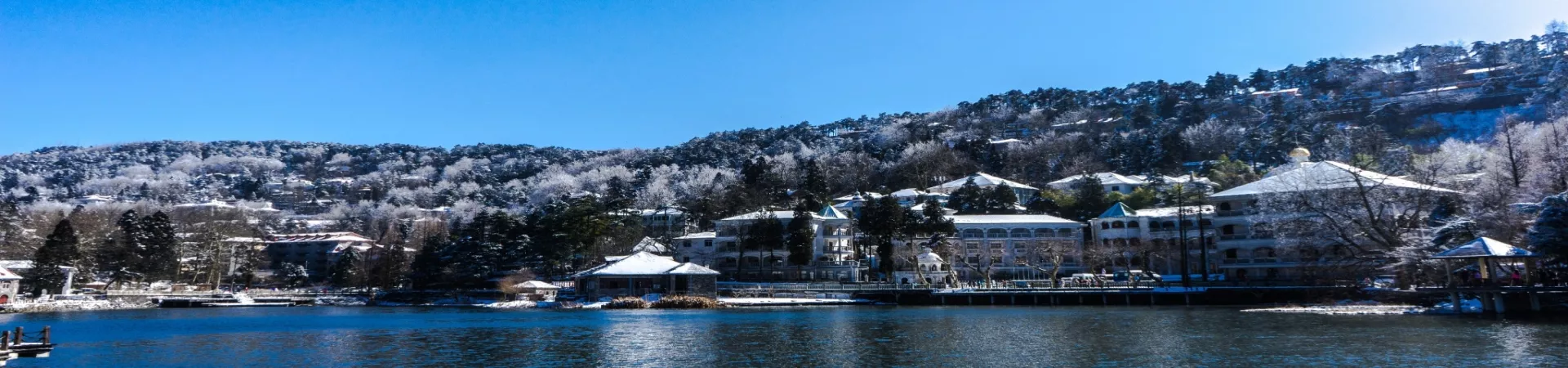
Subtitle: A Serene Melody Amidst Misty Peaks: Discovering Rugin Lake on Lushan Mountain
Introduction: The Lake That Sings
Nestled within the lush, mist-veiled embrace of Mount Lushan, a UNESCO World Heritage site near Jiujiang City in Jiangxi Province, lies Rugin Lake, a body of water that captivates not just with its beauty but with its poetic essence. More than a mere scenic spot, it is a landscape painting come to life, a historical whisper, and a source of artistic inspiration, offering a tranquil yet profoundly cultural interlude amidst the mountain's grandeur. Its name, meaning "Like a Violin," hints at the lyrical experience that awaits visitors—a harmonious blend of natural form, human history, and serene contemplation.
Section 1: The Lyrical Landscape - Anatomy of a "Violin"
1.1 A Name Born from Form and Poetry The defining characteristic of Rugin Lake is its uniquely elegant shape. Viewed from above, the lake's shoreline curves with a delicate, intricate grace, closely resembling the elegant outline of a classical violin or cello resting upon the mountain's slopes. This natural artistry is complemented by a tangible human touch: on a lakeside rock, the carved characters "如琴" (Rú Qín), left by ancient literati, formally bestow the name "Like a Violin." This perfect marriage of observed form and inscribed poetry transforms the lake from a simple geographical feature into a cultural symbol, inviting visitors to appreciate both its visual and literary harmony.
1.2 The Palette of Mist and Water The lake's beauty is dynamic, changing with the moods of Mount Lushan. On clear days, its waters reflect the deep greens of the surrounding forests and the vast blue of the sky, creating a brilliant, mirror-like surface. More often, the famous Lushan mist plays its part, drifting across the lake in ethereal sheets. This mist softens the landscape, blurring the lines between water, forest, and mountain peak, and creating an atmosphere of profound tranquility and mystery. The play of light through the mist, especially at dawn or dusk, paints the scene in shifting hues of silver, grey, and soft gold, offering a different, more contemplative kind of spectacle.
Section 2: Heart of the Scenery - Huajing Park and the Lake Island
2.1 Huajing Park: Where Flowers Meet History The lake is intimately connected to the adjacent Huajing Park (Flower Path Park), so much so that it is also known locally as Huajing Lake. This park is a celebrated site of floral beauty and literary heritage. As the name suggests, the park is famed for its winding paths that meander through vibrant displays of flowers and ancient trees. The air is often fragrant with blossoms, and the carefully maintained gardens provide a burst of color against the backdrop of the lake's blue and the mountain's enduring green.
2.2 A Bridge to Serenity: The Lake Center Island A charming, gracefully arched bridge connects the shore to a small, picturesque island at the lake's center. Crossing this bridge feels like stepping into the heart of the landscape painting. The island serves as a perfect vantage point, offering 360-degree panoramic views of the entire lake encircled by lush woods and towering peaks. It is a favored spot for photography, quiet reflection, and simply immersing oneself in the enveloping peace. The reflection of the bridge and island in the still water doubles the beauty, creating a perfectly symmetrical scene of utter calm.
Section 3: The Poet's Legacy - Bai Juyi and the Soul of the Place
3.1 The Legend of the Peach Blossoms The cultural soul of Huajing Park and, by extension, Rugin Lake, is inextricably linked to the great Tang Dynasty poet Bai Juyi. Legend holds that this very path inspired his beloved poem "Peach Blossoms in the Temple of Great Forest" (Da Lin Si Tao Hua). The poem, written during Bai Juyi's exile, expresses joyful surprise at finding peach blossoms blooming in the mountain heights during late spring, long after they had faded in the world below. This sentiment of discovering unexpected beauty and solace in nature resonates deeply with every visitor's experience here.
3.2 Honoring the Literary Giant The park actively preserves this connection. A key attraction is the "Bai Juyi Thatched Cottage Exhibition Hall," a recreation of a simple traditional cottage that commemorates the poet's life and work. Inside, visitors can find exhibits related to his poetry and his time on Lushan. More prominently, a dignified stone statue of Bai Juyi stands gracefully by the lakeshore. Gazing thoughtfully across the water, the statue seems to forever contemplate the same serene views that moved him to verse over a millennium ago. It provides a powerful tangible link to China's rich poetic past, inviting visitors to share in the timeless moment of inspiration.
Section 4: Practical Information for the Visit
4.1 Location and Accessibility Rugin Lake and Huajing Park are located within the core scenic area of Mount Lushan National Park. Access is typically included as part of the standard sightseeing route on the mountain. Visitors usually reach the area via the park's sightseeing buses from the main town of Guling or other key hubs. The site is well-signposted.
4.2 Admission and Opening Hours There is no separate entrance fee for Rugin Lake and Huajing Park. Access is covered by the standard Mount Lushan Scenic Area through-ticket. The site itself is open to visitors all day (24 hours), allowing for flexibility. However, the Bai Juyi Exhibition Hall may operate on specific daytime hours. The most popular and recommended times for a visit are early morning to enjoy the misty calm or late afternoon for the soft golden light.
4.3 Planning Your Experience A typical visit to leisurely stroll around the lakeshore, cross the bridge to the island, explore Huajing Park, and visit the Bai Juyi statue and exhibition hall takes approximately 1 to 1.5 hours. It is advisable to wear comfortable walking shoes, as the paths, while well-maintained, can have gentle slopes. Bringing a light jacket is recommended due to the cooler, often misty mountain climate. This site is a must for lovers of landscape photography, poetry, and anyone seeking a peaceful, culturally enriching pause during their exploration of Mount Lushan's vast natural and historical tapestry.