Lushan National Key Scenic Area - Lushan Huajing Park
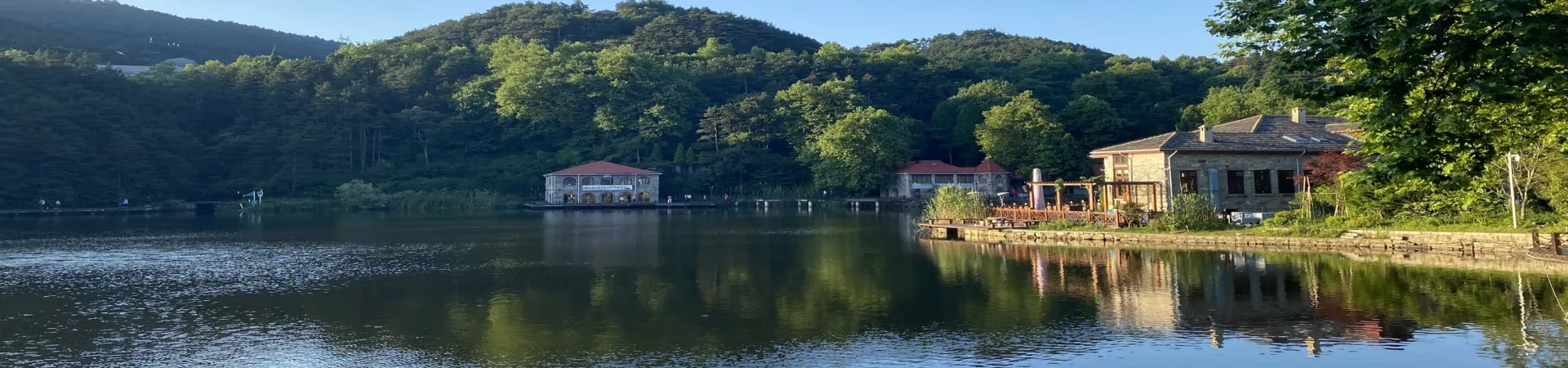
Subtitle: A Stroll Through Poetry and Blossoms: Discovering Lushan's Floral Path
Introduction: A Landscape Steeped in Literary Legend
Nestled approximately two kilometers southwest of Guling Street on Mount Lushan in Jiujiang City, Jiangxi Province, lies the enchanting Floral Path (Huajing) Park. This serene area, once the site of the historic Dalin Temple during the Tang Dynasty, has been celebrated for over a millennium as the "Foremost Vista of Mount Lushan." More than just a scenic garden, the Floral Path is a living tapestry woven from classical poetry, historical anecdote, and breathtaking natural beauty, offering visitors a tranquil yet profound connection to China's cultural heritage.
The Legacy of Bai Juyi: Where Poetry Comes to Life
The soul of the Floral Path is inextricably linked to the renowned Tang Dynasty poet, Bai Juyi. The park's most enduring legend recounts his visit during his tenure as a minor official in Jiangzhou (modern-day Jiujiang). Arriving in late spring, Bai Juyi is said to have been struck by a poignant contrast: while the peach blossoms in the valleys below had already faded, those around the ancient Dalin Temple were in full, glorious bloom. This scene inspired his celebrated poem "Peach Blossoms at the Dalin Temple," immortalizing the location in Chinese literature.
In honor of this poetic moment, the area earned the affectionate name "Bai Sima's Floral Path" (Sima being his official title). Throughout the park, tributes to the poet abound. The Jingbai Pavilion stands as a classic Chinese structure where visitors can pause and contemplate the same vistas that moved the poet. For a deeper dive into his life and work, the Bai Juyi Thatched Cottage Exhibition Hall, established in 1988, provides insightful context. A focal point for reflection is the lifelike stone statue of Bai Juyi, crafted by the esteemed sculptor Wang Keqing in 1996, which sits peacefully by the lakeshore. Perhaps the most tangible link to the past is found in the Floral Path Pavilion, where a stone slab is inscribed with the two characters for "Huajing" (Floral Path), traditionally believed to be carved from the poet's own calligraphy.
The Heart of the Park: Like a Lute Lake
The centerpiece of the park is its stunning artificial lake, a masterpiece of landscape design that perfectly complements the surrounding flora. Created in 1961, the lake covers an area of 110,000 square meters with a storage capacity of one million cubic meters. It possesses two evocative names, each capturing a different aspect of its charm.
- As the "Like a Lute Lake" (Ruqin Hu): This name derives from the lake's distinctive, elegant shape, which remarkably resembles the curved body of a Chinese string instrument, the qin (lute). From higher vantage points, this musical form is clearly discernible, adding a layer of artistic metaphor to the landscape.
- As the "Floral Path Lake" (Huajing Hu): This simpler name references its geographical and thematic connection to the garden paths that wind through blossoming trees and flower beds, suggesting a seamless integration of water and bloom.
A gracefully arched bridge meanders across the lake's surface, leading to a tranquil island at its heart. This pathway invites visitors to fully immerse themselves in the park's serene atmosphere, surrounded by mirror-like waters that reflect the lush, forested slopes of Mount Lushan.
A Sensory Journey Through Gardens and Trails
Beyond its historical and aquatic attractions, the Floral Path Park is, true to its name, a horticultural delight. The design philosophy follows the classic Chinese garden principle of "winding paths leading to serene views."
- A Blossoming Tapestry: The park is meticulously planted to ensure year-round interest. While the peach blossoms recall Bai Juyi's poem, other seasonal flowers create ever-changing displays. The air is often perfumed with the scent of blooms, and the vibrant colors provide a stunning contrast to the deep greens of the mountain and the blue of the lake.
- Paths for Contemplation: Well-maintained trails and stone-paved walkways encourage leisurely strolls. These paths twist and turn, deliberately slowing the pace of the visitor to foster appreciation for intimate garden scenes, sudden panoramic views of the lake, and the dappled sunlight filtering through ancient trees. The experience is one of peaceful discovery around every corner.
Practical Information for Your Visit
- Admission: Access to the Floral Path Park is included in the overall entrance ticket to the Mount Lushan National Park. There is no separate fee for the park itself.
- Opening Hours: The park is open to visitors 24 hours a day, every day of the year. This allows for unique experiences at different times, from sunny daytime explorations to peaceful morning or dusk walks when the crowds are thinner.
- Suggested Duration: To fully appreciate the historical sites, enjoy a leisurely walk around the lake, and explore the garden paths at a relaxed pace, a visit of approximately 1 to 3 hours is recommended.
- Contact: For any specific inquiries, the general administrative office for Mount Lushan can be reached at 0792-8282490.