Former Site of the Lushan Conference
Subtitle: A Journey Through Modern Chinese History: The Lushan Conference Site and Its Surroundings
1. Introduction Nestled at the foot of the Zhibi Peak in the East Valley of Guling, the Lushan Conference Site stands as a monumental structure whose walls have witnessed pivotal moments in China's 20th-century history. Originally constructed for a different purpose, its identity transformed alongside the nation's turbulent modern journey. Today, it serves not only as a museum preserving a critical legacy but also as the centerpiece of a historic architectural complex that offers visitors a profound glimpse into the political and social shifts that have shaped contemporary China. Its significance is layered, built upon its unique architecture, its dramatic change in function, and the weighty decisions made within its halls.
2. The Lushan Conference Site: Architecture and Historical Pivot 2.1. From "Lushan Auditorium" to "People's Theater" The building that now houses the Lushan Conference Site was completed in 1937 under the direction of Chiang Kai-shek. It was one of three core buildings constructed for the Kuomintang (KMT) Officer Training Corps in Lushan and was originally named the "Lushan Auditorium." Reflecting the architectural styles of its time, the building is imposing in scale and boasts a lavishly decorated interior, a testament to its intended role as a significant gathering place. Following the Communist victory in the Chinese Civil War and the establishment of the People's Republic of China, the building was renamed the "People's Theater," symbolizing its transition into the new era.
2.2. The Stage for Critical Meetings The site's profound national importance stems from its role as the venue for three crucial meetings of the Chinese Communist Party (CCP) in the mid-20th century, all presided over by Chairman Mao Zedong. * The 8th Plenary Session of the 8th CCP Central Committee (1959): Commonly known as the "Lushan Conference," this meeting is historically significant for the intense political struggle that unfolded, notably the criticism of Defense Minister Peng Dehuai. * The Central Work Conference (1961): This conference addressed the economic difficulties following the Great Leap Forward. * The 2nd Plenary Session of the 9th CCP Central Committee (1970): This meeting featured major political conflicts, including the critique of Chen Boda, and was a precursor to the later Lin Biao incident. These events cemented the building's status as a focal point where decisions reverberated throughout the nation, making it an essential site for understanding the complexities of China's socialist period.
3. The Lushan Conference Memorial Hall The original meeting hall has been meticulously preserved and converted into the Lushan Conference Memorial Hall. It functions as the core exhibition space for visitors seeking to comprehend the historical events that took place here.
3.1. Exhibits and Artifacts The memorial hall's collection is designed to provide an immersive historical experience. It houses a wealth of original artifacts used during the conferences, including furniture, documents, and personal items belonging to key figures. Extensive photographic archives and textual materials offer detailed context and narrative. Furthermore, the hall screens historical documentary footage, some specially edited for the exhibition, which helps bring the solemn and tense atmosphere of those meetings to life for contemporary audiences.
4. The Historic Architectural Complex The Conference Site is not an isolated building but part of a trio of historically significant structures, each representing a different chapter in Lushan's modern story.
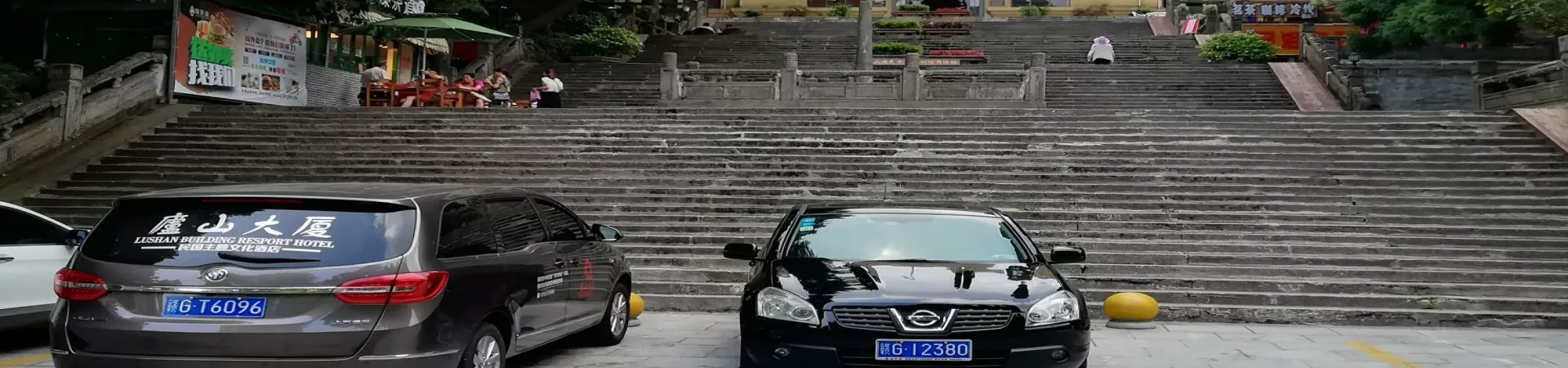
4.1. Lushan Mansion (庐山大厦) Located a short walk to the right of the Memorial Hall, this large building originally served as dormitories for mid- and low-ranking officers of the KMT training corps. Its facade once bore a plaque inscribed by Chiang Kai-shek with the name "Lushan Chuanxi Learning Lodge." In a striking transformation of function, the building has been renovated into a tourist hotel offering standard accommodation, allowing visitors the unique opportunity to stay within a historic landmark.
4.2. Lushan Library Situated between the Conference Site and the Lushan Mansion is a palatial-style structure completed in 1935—the former Lushan Library. This building has undergone a functional shift reflective of commercial development, as it now operates as a complex housing shops and restaurants, catering to the needs of tourists exploring the area.
5. Practical Visitor Information 5.1. Tickets and Opening Hours Since March 15, 2015, access to the Lushan Conference Site is included in the all-in-one entrance ticket for the Lushan Mountain Scenic Area. Visitors do not need to purchase a separate ticket for this specific site (prior to this date, a separate 50-yuan ticket was required). The Memorial Hall is open from 8:30 AM to 5:00 PM, with last entry at 5:00 PM. It is closed on Tuesdays for maintenance, except during national holidays when special opening hours may apply.
5.2. Transportation and Access The most convenient way to reach the site within the vast Lushan resort is via the scenic tourist shuttle buses. The East Line bus stops near the venue. Tourists can choose between a 7-day valid pass (80 RMB) or a month-long pass (150 RMB). For those staying in the central Guling Town, the site is within a pleasant walking distance of 30 minutes or less. A walk from the town offers a scenic route that passes other notable historic sites such as the Meilu Villa and the Old Villa Story exhibition, making for a rewarding historical stroll.
5.3. Suggested Duration and Contact A comprehensive visit to the Memorial Hall and the surrounding exterior of the historic complex typically requires 1 to 3 hours, depending on one's depth of interest in the exhibitions. For the latest information, visitors can contact the site at 0792-8282584.