Donglin Temple
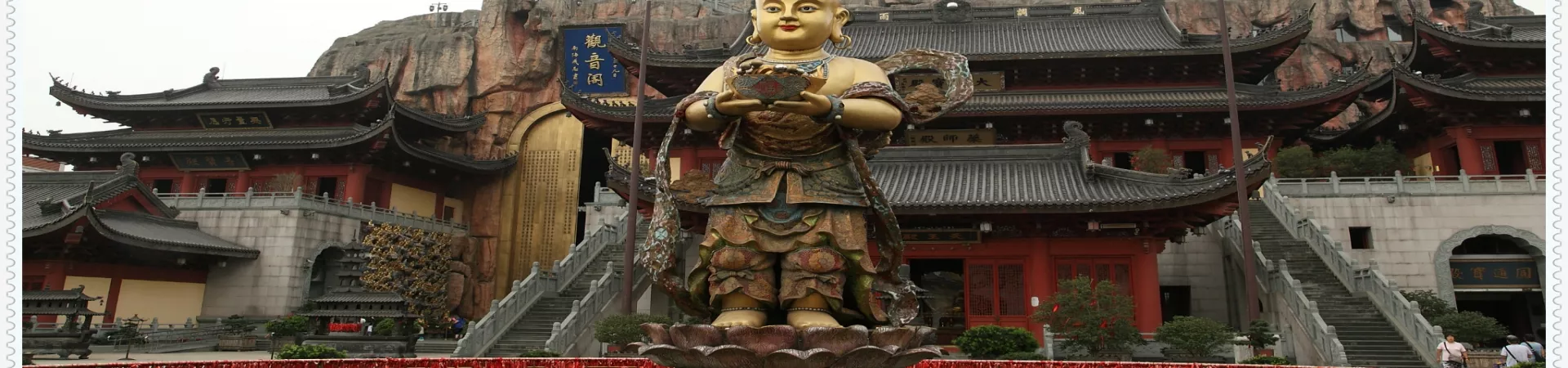
Subtitle: A Journey to the Birthplace of Pure Land Buddhism: Donglin Temple at the Foot of Lushan Mountain
1. Introduction: A Sanctuary Beneath the Peaks Nestled against the majestic slopes of Lushan Mountain, a UNESCO World Heritage site renowned for its natural beauty and cultural significance, lies the profound and expansive Donglin Temple. This is not merely a temple; it is a cornerstone of Buddhist history in China. As one of the founding sites of the Pure Land (Jingtu) school of Buddhism, Donglin Temple holds an unparalleled spiritual and historical resonance. Its architecture, characterized by grand halls and serene courtyards, reflects a scale and solemnity befitting its status. The temple complex, harmoniously integrated with its mountainous backdrop, offers visitors a powerful sense of tranquility and awe from the moment they pass through its gates. A visit here is a step back into a pivotal chapter of religious development and a chance to experience enduring peace.
2. Historical and Spiritual Significance: The Cradle of Pure Land Buddhism 2.1. The Founding Legacy Donglin Temple's greatest claim to fame is its intimate association with Master Huiyuan (334–416 AD), a pivotal Buddhist monk. In 402 AD, it was here that Huiyuan and a group of 123 followers formed the "White Lotus Society," dedicating themselves to the devotional practice of chanting the name of Amitabha Buddha to seek rebirth in the Western Pure Land. This event is widely regarded as the formal establishment of the Pure Land tradition, which would later become one of the most influential and widely practiced forms of Buddhism in East Asia. The temple thus serves as a living monument to this spiritual revolution.
2.2. Architectural Grandeur and Layout The temple's layout and structures, though having undergone reconstructions over centuries, continue to embody the grandeur of its heritage. Visitors walk through a sequence of impressive halls, including the Heavenly King Hall, the Main Buddha Hall (Daxiong Baodian), and the Hall of Wisdom. Each hall houses significant statues and artifacts that narrate Buddhist teachings and the temple's own story. The scale of the complex allows for contemplative wandering, where the echoes of ancient chants seem to linger in the air, connecting the present with the devout aspirations of Huiyuan's original assembly.
3. Key Attractions and Visitor Experience 3.1. The Sacred "Clever Spring" (Congming Quan) No visit to Donglin Temple is considered complete without a pilgrimage to the famous "Clever Spring" located behind the main temple buildings. According to legend, this clear, perennial spring was named after a witty poetic exchange between Master Huiyuan and a contemporary scholar. Drinking from its waters is traditionally believed to bestow wisdom and clarity of mind. Visitors often join the queue to drink from the ladles provided, participating in a centuries-old ritual. The spot around the spring, often shaded and cool, provides a perfect moment for reflection.
3.2. The Pagoda on the Rear Hill For those with a bit more energy and a desire for panoramic views, a climb up the path behind the temple to the hilltop pagoda is highly recommended. The ascent, through tranquil wooded areas, is a gentle hike suitable for most. The reward at the summit is twofold: the pagoda itself, a serene structure often adorned with prayers and offerings, and a breathtaking vista overlooking the sprawling temple roofs set against the vast, forested expanse of Lushan Mountain. This perspective truly underscores the temple's perfect, harmonious placement within the landscape.
4. Practical Information for Planning Your Visit 4.1. Getting There: Transportation Donglin Temple is accessible from Jiujiang city. The most straightforward public transportation option is to take either bus number 61 or 62. Alight at the "Donglin Si" (Donglin Temple) bus stop. From there, the temple entrance is within a short and easy walking distance. Taxis or ride-hailing services from downtown Jiujiang offer a convenient alternative for direct access.
4.2. Admission and Opening Hours One of the most welcoming aspects of Donglin Temple is that it offers free admission to all visitors, making this profound cultural experience accessible to everyone. The temple is open daily from 7:30 AM to 6:00 PM, throughout the year. These generous hours allow for visits in the soft morning light or the golden afternoon.
4.3. Suggested Duration and Tips for Visitors Suggested Duration: To fully appreciate the temple's history, explore its main halls, visit the Clever Spring, and climb to the pagoda, a visit of approximately 2 to 3 hours is ideal. This allows for a leisurely pace without feeling rushed.
Important Visitor Tips: * Temple Activities: It is crucial for visitors to be aware that Donglin Temple is a fully active monastic center. Certain areas or buildings may be temporarily closed to the public during internal religious ceremonies, meditation sessions, or monastic functions. To avoid disappointment, especially if you are making a special trip, it is highly advisable to call the temple in advance to inquire about any scheduled private activities on your intended day of visit. * Respectful Conduct: As with any active place of worship, visitors are expected to dress modestly and behave quietly and respectfully. Observe posted signs regarding photography restrictions inside certain halls. * Preparation: Wear comfortable shoes suitable for walking on stone paths and the gentle climb to the pagoda. Carrying a small bottle is useful, though you can fill it with the fresh water from the Clever Spring.