Former Residence of Zhang Juzheng
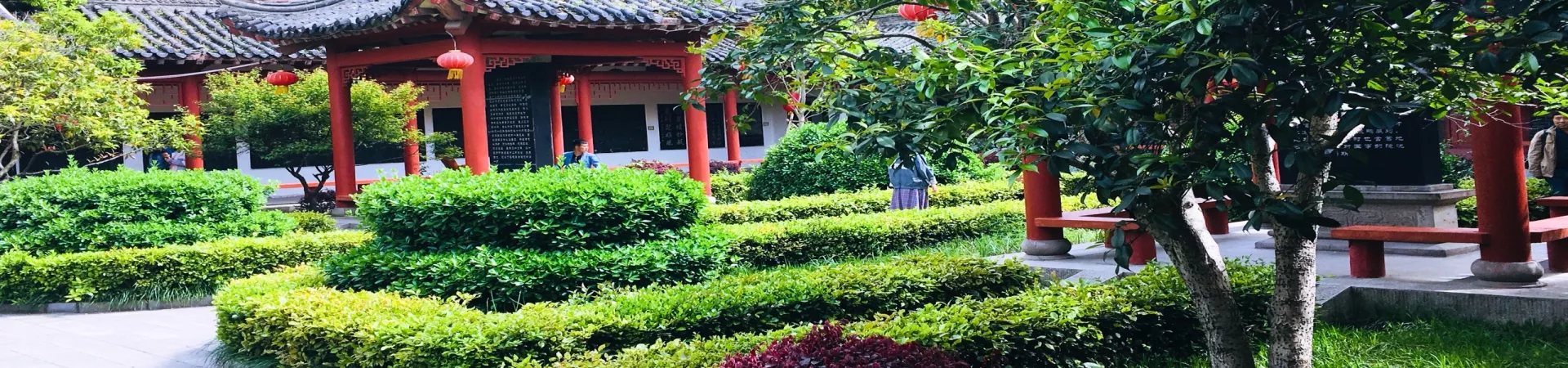
Subtitle: The Home of a Reformer: Exploring the Life and Legacy of Zhang Juzheng in Jingzhou
I. Introduction: A Portal to Ming Dynasty Grandeur
Nestled within the ancient city of Jingzhou, Hubei province, the Zhang Juzheng Former Residence stands not merely as a collection of restored halls and courtyards, but as a profound portal into a pivotal era of Chinese history. This meticulously preserved complex offers visitors a tangible connection to the life, work, and domestic world of Zhang Juzheng (1525-1582), one of the most powerful and controversial Chief Grand Secretaries of the Ming Dynasty. More than a historical site, it is a narrative in architecture and space, telling the story of a brilliant reformer whose policies, known as the "Wanli Reforms," temporarily revitalized the faltering Ming empire. A visit here is an immersion into the political intensity, cultural refinement, and architectural aesthetics of the 16th-century Chinese scholarly-official elite.
II. Historical Significance: The Man Behind the Reforms
A. Zhang Juzheng: Architect of the Wanli Reforms To understand the residence's importance, one must first appreciate the stature of its owner. Zhang Juzheng rose to the zenith of power during the reign of the Wanli Emperor, serving as the de facto administrator of the empire. His decade-long tenure was marked by a series of sweeping and stringent reforms aimed at combating corruption, strengthening national defense, revitalizing the agricultural economy, and streamlining the bloated bureaucracy. His policies, though effective in replenishing the state treasury and restoring stability, were enforced with an iron will, earning him both enduring praise for his administrative genius and criticism for his authoritarian methods. His former home in Jingzhou, where he spent periods of his life, thus becomes a key to deciphering the personal dimensions of this formidable public figure.
B. The Residence as a Microcosm of an Era The compound transcends its function as a personal dwelling. It serves as a microcosm of the late Ming period, reflecting the interconnected worlds of politics, family, and Confucian ideology that shaped the lives of the ruling class. The design, layout, and artifacts within speak to the social rituals, educational values, and aesthetic preferences of the time. It was here, away from the imperial court in Beijing, that facets of Zhang's character—as a scholar, a family patriarch, and a member of the local gentry—would have been most visible.
III. Exploring the Architectural Complex
The residence is a classic example of Ming-era official architecture, characterized by symmetrical layout, elegant simplicity, and a hierarchical arrangement of spaces that underscore social order.
A. Layout and Symbolism The complex is organized along a central axis, typical of traditional Chinese courtyard architecture. Visitors progress from public, formal spaces to more private, intimate quarters, mirroring the Confucian principles of propriety and order. Each courtyard and building had a designated purpose, from receiving guests and hosting ceremonies to studying and family repose.
B. Key Structures and Their Functions 1. The Main Gate and Entrance Courtyard: The visit begins at the imposing main gate, which establishes the dignified status of the household. The first courtyard often served as a transitional buffer zone between the public street and the private family areas. 2. The Main Hall (Zhengting): This is the most important formal structure, used for hosting distinguished guests, conducting family rituals, and celebrating major occasions. Furnished with period-appropriate furniture, ancestral tablets, and scholarly inscriptions, it projects authority and cultural refinement. 3. The Study and Library: A crucial space for understanding Zhang Juzheng the intellectual. This quiet retreat, stocked with classical texts, would have been where he contemplated policy, composed memorials to the emperor, and engaged in scholarly pursuits. It represents the Confucian ideal of the "scholar-official." 4. Residential Quarters and Family Courtyards: These interconnected rooms and smaller, enclosed courtyards provide a glimpse into domestic life. They include bedrooms, sitting rooms, and spaces for daily family activities, offering a contrast to the formality of the main hall and highlighting the human scale of history. 5. Gardens and Landscaped Areas: No elite residence was complete without a garden. These carefully designed spaces, featuring rockeries, ponds, pavilions, and lush plantings, were intended for contemplation, relaxation, and literary inspiration, embodying the harmony between humanity and nature.
IV. Visitor Experience and Practical Information
A. Exhibitions and Cultural Artifacts Throughout the residence, visitors will find detailed exhibitions that go beyond architecture. These include: * Historical Documents and Replicas: Edicts, memorials, and letters related to Zhang Juzheng's reforms. * Period Furnishings and Art: Authentic Ming-style furniture, porcelain, calligraphy, and paintings that recreate the atmosphere of the time. * Biographical Narratives: Panels and displays chronicling Zhang's life, his political struggles, his achievements, and the complex legacy of his reforms.
B. Planning Your Visit * Opening Hours: The residence is open daily from 08:00 to 17:30. Last admission is at 16:30. It is advisable to allocate at least 1.5 to 2.5 hours for a comprehensive visit. * Contact Information: For any specific inquiries, visitors can contact the site at +86 717 8450389. * Location and Context: The residence is situated within Jingzhou's well-preserved ancient city walls. A visit can easily be combined with exploring other historical sites in the area, such as the Jingzhou City Wall and the Jingzhou Museum, which houses remarkable archaeological finds from the region. * Visiting Tips: To fully appreciate the context, reading about the Wanli period and Zhang Juzheng's reforms beforehand is highly recommended. Pay attention to the architectural details, the couplets inscribed on pillars, and the arrangement of spaces, as they all carry cultural and symbolic meaning. The site offers a quiet, reflective environment ideal for those looking to delve deep into history.
V. The Enduring Legacy
Walking through the silent courtyards and shaded corridors of the Zhang Juzheng Former Residence, one is prompted to reflect on the weight of history and the complexities of leadership. The space eloquently narrates the story of a man who wielded immense power to shape the destiny of an empire, yet whose legacy remains a subject of scholarly debate. It preserves the memory of a critical attempt at renewal during the Ming Dynasty's long decline. For the modern visitor, the residence is more than a tourist attraction; it is a place for historical imagination, where the echoes of grand statecraft and quiet scholarly diligence seem to linger in the air, offering profound insights into China's rich and multifaceted past.