Three Kingdoms Park
Subtitle: A Journey Through the Three Kingdoms Era in Modern Jingzhou
Introduction to Jingzhou Three Kingdoms Park
Nestled in the historic heart of Jingzhou City, Hubei Province, the Three Kingdoms Park is not merely a tourist attraction but a vast, immersive portal into one of China's most celebrated and tumultuous historical periods. Spanning a significant area, the park masterfully blends natural landscapes—serene lakes, traditional gardens, and winding pathways—with extensive cultural and historical reconstructions. It serves as a living museum dedicated to the Three Kingdoms era (220-280 AD), a time immortalized by the classic novel "Romance of the Three Kingdoms." Jingzhou itself was a pivotal strategic stronghold, fiercely contested by the rival states of Shu, Wei, and Wu, making this location profoundly authentic. The park's design philosophy goes beyond static displays; it aims to place visitors within the narrative, allowing them to walk the same conceptual ground as legendary figures like Liu Bei, Guan Yu, Zhang Fei, Cao Cao, and Zhuge Liang, experiencing the grandeur, intrigue, and military genius that defined the age.
Core Attractions and Thematic Zones
The park is thoughtfully segmented into various zones and features, each offering a unique lens through which to view the Three Kingdoms saga.
1. The Historical & Cultural Exhibition Complex * Statue Square of Key Figures: Your journey typically begins here, amidst towering bronze statues of the era's paramount leaders and heroes. These detailed sculptures, representing Liu Bei, Cao Cao, Sun Quan, and others, set the stage for the epic story to unfold. * Three Kingdoms History Museum: This indoor facility is the scholarly heart of the park. It houses a rich collection of artifacts, detailed historical chronicles, ancient weaponry reproductions, and interactive multimedia exhibits. It provides crucial context, distinguishing historical facts from the legendary embellishments of the novel, and covers the political alliances, major battles, and technological advancements of the time.
2. Architectural Replicas and Military Displays * Ancient City Wall and Watchtowers: A meticulously reconstructed section of Jingzhou's ancient city wall, complete with battlements and watchtowers, offers panoramic views of the park. This section highlights the critical importance of city fortifications in ancient warfare and Jingzhou's role as a defensive bulwark. * Military Camp and Weaponry Displays: Scattered throughout the park are recreations of army camps, featuring tents, flags, and arrays of traditional weapons such as spears, halberds, crossbows, and catapults. These displays vividly illustrate the daily life of soldiers and the mechanics of ancient warfare. * Chibi Rock Formations and Battlefield Dioramas: Leveraging the natural and enhanced landscape, the park features areas that evoke famous battle sites like the Red Cliffs (Chibi). Large-scale dioramas and strategic maps help visualize the tactics used in these decisive clashes.
3. Performance and Interactive Experience Areas * Live Reenactment Theater: A major highlight is the daily schedule of live performances. Professional actors in period costume stage thrilling reenactments of famous scenes—from oath-swearing ceremonies and diplomatic stratagems to simulated cavalry battles and martial arts demonstrations. The energy and scale of these shows are captivating. * Cultural Interaction Zones: Visitors, especially families, can engage in hands-on activities. These may include dressing in Han dynasty attire for photography, learning to write classical Chinese characters with a brush, or participating in simplified versions of ancient games and rituals.
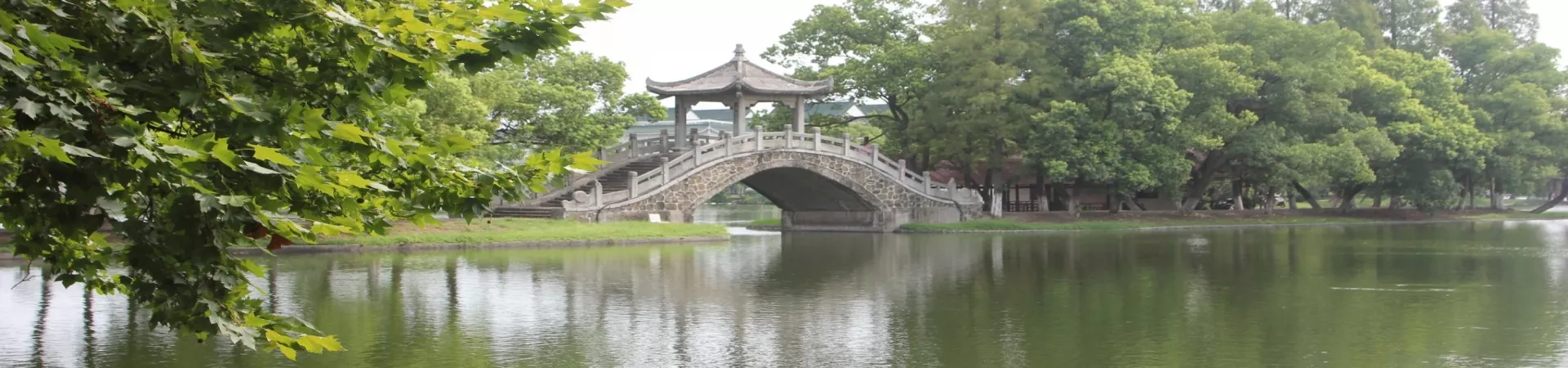
4. Scenic Landscapes and Thematic Gardens * Lakeside Pavilions and Bridges: The park's water features are designed with classical Chinese aesthetics in mind. Peaceful lakes are adorned with elegant "Pavilions for Leisurely Contemplation" and "Nine-Turn Bridges," offering tranquil spots for reflection amidst the historical grandeur. * Gardens Inspired by Poetic Themes: Certain gardens are laid out to reflect the philosophical and literary spirit of the era, with inscriptions of famous poetry from the period carved onto stones or wooden tablets, blending natural beauty with cultural depth.
Practical Information for Visitors
Location and Accessibility: Jingzhou Three Kingdoms Park is situated within Jingzhou City, which is well-connected by high-speed rail and highway. The park is easily accessible from the city center via public bus, taxi, or ride-hailing services.
Operating Hours: The park is open to visitors every day of the week, throughout the entire year. Its gates are open 24 hours a day, from January 1st to December 31st, Monday through Sunday. This all-day access allows for flexible scheduling, whether you prefer a full day of exploration or a leisurely evening stroll amidst the illuminated landscapes and structures.
Suggested Itinerary and Tips: To fully appreciate the park, allocate a minimum of 4-5 hours. Start with the History Museum for foundational knowledge, then proceed to the statue square and architectural sites. Be sure to check the daily performance timetable upon arrival to plan your walk around the showtimes. Wear comfortable walking shoes, as the park grounds are extensive. While the main pathways are accessible, some replicas of ancient walls or towers may involve steps. The park offers basic amenities including rest areas, souvenir shops selling themed merchandise, and several spots for refreshments.