Jingzhou Museum
A Comprehensive Guide to the Jingzhou Museum
Subtitle: A Journey Through Ancient Chu Culture and Beyond
Nestled in the heart of Jingzhou City, Hubei Province, the Jingzhou Museum stands not merely as a repository of artifacts but as a monumental gateway to the ancient and illustrious Chu Kingdom. Renowned as one of China's premier regional museums, it offers an unparalleled, systematic presentation of the cultural relics unearthed from the Chu state, which flourished during the Spring and Autumn and Warring States periods. For any visitor to central China, a day spent here is a day spent walking alongside the spirits of a sophisticated, powerful, and artistically profound civilization that rivaled its contemporaries over two millennia ago.
1. Planning Your Visit: Essential Information
Before embarking on your historical exploration, practical details ensure a smooth experience.
1.1. Admission and Hours The museum offers free admission to all visitors, making this cultural treasure accessible to everyone. It is open from 9:00 AM to 4:00 PM daily, with last entry also at 4:00 PM. It is crucial to note that the museum is closed every Monday, except for specific national holiday periods. For instance, during the New Year's holiday (December 31st to January 2nd), it remains open daily. Always check for any last-minute announcements before your visit.
1.2. Contact and Duration For inquiries, you can contact the museum at +86-716-8494574. To fully appreciate the depth and breadth of the collections, a full day is highly recommended. Allocate at least 4-6 hours to explore the exhibits at a comfortable pace without rushing.
2. Architectural Grandeur and Thematic Pavilions
The museum itself is an architectural statement. Its design often incorporates elements reminiscent of Chu palace architecture, setting the tone for the journey within. The exhibits are thoughtfully organized across several specialized pavilions or permanent exhibition halls, each dedicated to a specific theme.
2.1. The Chu Culture Exhibition Hall This is the undeniable heart of the museum. It meticulously charts the rise, zenith, and eventual integration of the Chu state. Through a wealth of artifacts, the hall reveals the unique spiritual world, social customs, technological advancements, and artistic achievements of the Chu people.
2.2. The Ancient Silk Textiles Hall A highlight that draws scholars and enthusiasts from around the world, this hall showcases an extraordinary collection of silk and textiles from the Warring States period. Preserved in astonishing condition in water-logged tombs, these pieces represent the pinnacle of early Chinese sericulture and textile artistry.
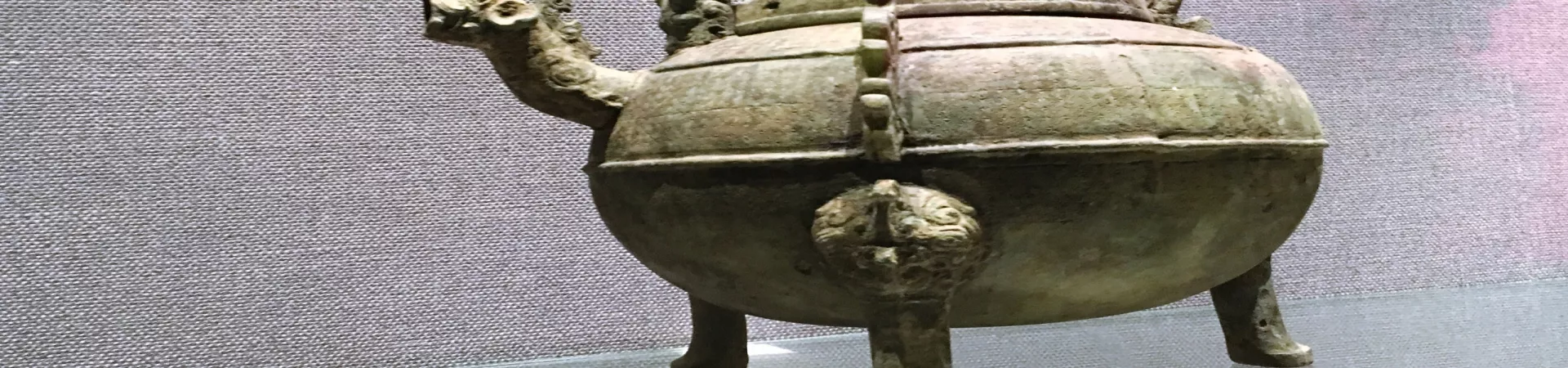
2.3. The Bronze Ware Hall Chu bronze work is distinct from the more ritual-centric styles of the Central Plains. This hall displays a stunning array of ritual vessels, weapons, and daily utensils, notable for their intricate inlay work, imaginative shapes, and the famous "coiling serpent" motifs that embody the Chu's mystical connection to nature and the spirit world.
2.4. The Lacquerware Hall Chu lacquerware is celebrated for its vibrant red and black color schemes, fluid painting styles, and exquisite craftsmanship. This hall presents an incredible variety of lacquered items, from elegant vessels and musical instruments to intricate furniture and burial objects, each piece whispering tales of daily life and ceremonial grandeur.
2.5. The Jade Gallery Focusing on the exquisite jade artifacts from various periods, including but not limited to the Chu era, this gallery illustrates the evolution of jade carving techniques and the enduring cultural significance of jade in Chinese civilization, from neolithic times through the Han dynasty.
3. Unmissable Treasures: The Museum's Crown Jewels
While every exhibit holds value, certain artifacts have achieved iconic status and are considered must-see masterpieces.
3.1. The Jade Burial Suit of the Western Han Dynasty Although from a later period than the peak of Chu, this complete jade suit sewn with silver wire is a breathtaking national treasure. It exemplifies the Han dynasty's belief in jade's power to preserve the body for immortality and represents the pinnacle of jade-working technology.
3.2. The Bronze Human-Head-Snake-Body Deity This mysterious and captivating bronze statue is a quintessential symbol of Chu mythology. Its hybrid form reflects the Chu people's rich animist beliefs and their sophisticated metal casting skills, offering a direct window into their spiritual imagination.
3.3. The Painted Wooden Tomb Figurines A charming and humanizing collection, these figurines depict servants, musicians, and guards. Their postures, expressions, and preserved pigments provide an intimate glimpse into the fashion, social hierarchy, and aesthetic preferences of the time.
3.4. Ancient Textiles and Embroidery The museum's collection of silk, including garments with incredibly delicate embroidery, is arguably one of the finest in the world for this period. The patterns, often featuring mythical beasts and flowing geometric designs, showcase a level of skill and artistry that was centuries ahead of its time.
4. Enhancing the Visitor Experience
To make the most of your visit, consider these additional tips. Audio guides or guided tour services (which may require advance booking or have a fee) are invaluable for understanding the context and significance of the key artifacts. The museum typically provides clear signage in both Chinese and English. Photography is usually permitted in most halls, but always observe signs prohibiting flash photography to protect the delicate relics. Allow time to visit the museum shop, which often offers high-quality replicas, scholarly books, and souvenirs related to the Chu culture. Finally, the museum is located within or near the ancient Jingzhou city walls. Combining your museum visit with a walk on these magnificently preserved Ming-dynasty walls provides a perfect physical and historical conclusion to your day, connecting the artifacts inside with the enduring landscape they came from.
Information last verified: January 11, 2023. Credit to contributors including Andre for updates.