Jingzhou Historical and Cultural City Area
Subtitle: A Journey Through Millennia: Exploring the Jingzhou Ancient City Cultural Tourism Zone
1. An Introduction to a Living Chronicle
Nestled in the heart of the Jianghan Plain along the middle reaches of the mighty Yangtze River, Jingzhou Ancient City, also historically known as Jiangling City, stands as a profound testament to China's layered and magnificent past. Recognized among the first batch of 24 National Famous Historical and Cultural Cities by the State Council in 1982, its iconic ancient city wall further earned the designation as a Major Historical and Cultural Site Protected at the National Level in 1996. This dual honor underscores its immense value as not merely a relic but a continuous narrative in stone and earth. The city's significance is deeply rooted as the cradle of the brilliant Chu culture, a regional civilization contemporaneous with the ancient Central Plains culture of the Yellow River. The sophistication and artistic achievements of the Chu State are often regarded as paralleling the classical cultures of ancient Greece and Rome, giving Jingzhou a unique place in world cultural history.
2. Layers of History: From Ancient Kingdoms to Strategic Commandery
2.1. The Cradle of Chu and the Legacy of Three Kingdoms The historical prominence of the Jingzhou area stretches back over two millennia. For an impressive 411 years during the Spring and Autumn and Warring States periods, the powerful State of Chu established its capital at Jinan City, located just five kilometers north of the present ancient city. This long reign left an indelible and rich archaeological legacy that forms the bedrock of the region's identity. Furthermore, Jingzhou is hallowed ground for the lore and history of the Three Kingdoms period (220-280 AD). As a strategic nexus fiercely contested by the rival states of Wei, Shu, and Wu, it was the stage for countless military campaigns and political intrigues. The classic novel "Romance of the Three Kingdoms" dedicates 72 of its 120 chapters to events connected to Jingzhou. Legendary episodes such as "Liu Bei Borrowing Jingzhou" and "Guan Yu's Careless Loss of Jingzhou" are set within this ancient landscape, forever linking the city to an era of heroism and strategy.
2.2. Traces of Prehistoric Foundations The human story here begins even earlier. Archaeological discoveries reveal a history stretching back to prehistoric times. The Jigongshan Paleolithic Site, approximately 4 kilometers northeast of the ancient city, dates back 50,000 to 60,000 years. Additionally, more than 20 Neolithic sites have been identified in the vicinity. These undeniable traces provide silent testimony to the ancient and enduring allure of this land, establishing a timeline of human settlement and cultural development that spans tens of thousands of years.
3. The Evolution of a Regional Capital: Political and Commercial Hub
Since the Qin and Han dynasties, Jingzhou Ancient City has consistently served as a crucial administrative and military center for successive empires. During the Qin Dynasty, it was established as the seat of Nan Commandery and Jiangling County. The Han Dynasty maintained this administrative structure, and under Emperor Wu, Jingzhou became one of the thirteen provinces of the nation. By this era, it had already flourished into one of the country's ten major commercial metropolises. Its strategic importance only grew during the tumultuous Three Kingdoms period. In the centuries that followed, the city's status soared as it became an imperial capital on multiple occasions. Eleven contentious princes and emperors from regimes such as the Eastern Jin, Southern Dynasties (Qi, Liang), Later Liang, and the Nanping Kingdom during the Five Dynasties and Ten Kingdoms period established their courts here, totaling over a century of regal history. In the Tang Dynasty, it served as a secondary capital, known as "Nan Commandery," forming a north-south axis with the primary capital, Chang'an. Later, during the Yuan Dynasty, it was the provincial capital of Jinghu Province, and in the early Ming Dynasty, it acted as the capital of the Huguang Province. From the Ming Dynasty onward, it remained a prefectural and county seat. This sustained role as a political, economic, and cultural hub throughout China's long historical evolution powerfully propelled the development and architectural fortification of Jingzhou Ancient City.
4. Visiting the Ancient City: Practical Information for Travelers
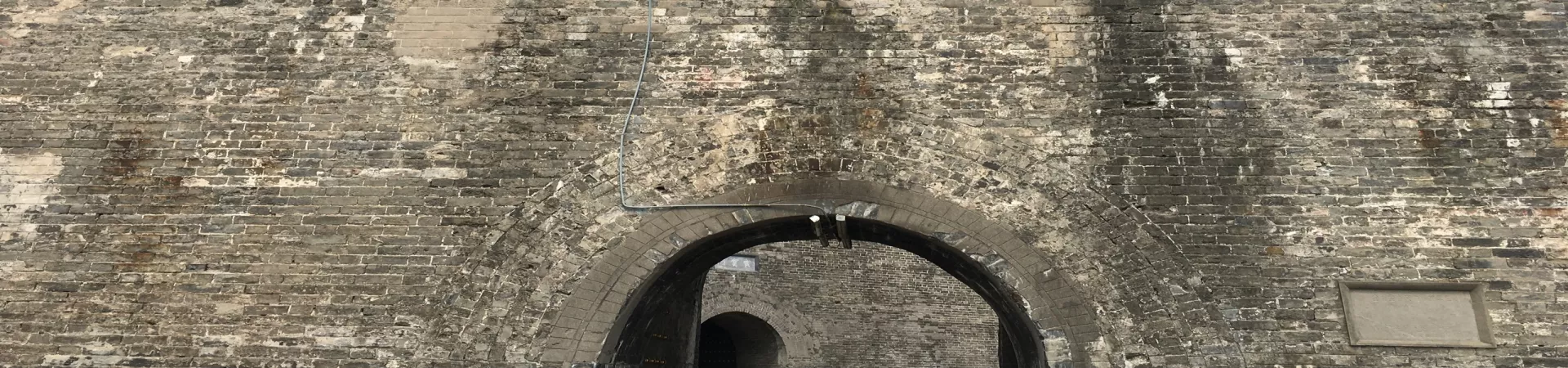
4.1. The Ancient City Wall and Layout The most prominent feature is the impeccably preserved Ming-era city wall, which encloses the old town. Constructed of massive bricks and earth, the wall stretches approximately 3.75 kilometers in circumference, stands about 9 meters high, and is accessed through six traditional gate towers. A walk or cycle along the broad ramparts offers panoramic views of the historic interior on one side and the modern city and ancient moat on the other, creating a tangible link between past and present.
4.2. Key Sites Within the Walls While entrance to the ancient city enclosure itself is free, several significant cultural sites inside require separate admission tickets. These typically include: * Jingzhou Museum: An absolute must-visit, housing an unparalleled collection of Chu-era artifacts, including ancient lacquerware, bronze vessels, and textiles. Its most famous exhibit is the well-preserved Western Han male corpse. * Guan Yu Temple: A temple complex dedicated to the deified Three Kingdoms general Guan Yu, commemorating his tenure and connection to the city. * Zhang Juzheng Former Residence: The home of a famous Ming Dynasty Grand Secretary, offering insight into the life of a high-ranking official. Visitors are advised to check current ticket prices and opening hours for these individual attractions at the景区 (scenic area) ticket offices or official information centers.
4.3. Essential Visitor Details * Opening Hours for City Wall & Scenic Area: 08:00 - 17:30 daily (last entry at 17:00). These hours may apply to the wall access points and general scenic zone management. * Suggested Duration: A comprehensive visit to explore the wall, key museums, and temples typically requires 1 to 3 hours. History enthusiasts may wish to allocate a full half-day. * Contact Information: For specific inquiries, the tourism zone can be contacted at +86 717 8450389. * Best Time to Visit: Spring and autumn offer the most pleasant weather for walking the walls. Early mornings or late afternoons provide beautiful light for photography and a more tranquil atmosphere.
The Jingzhou Ancient City is not a static museum piece but a vibrant historical landscape. It invites visitors to walk along ramparts trodden by soldiers and scholars, to delve into the artistic spirit of the Chu, to recount the tales of Three Kingdoms rivals, and to trace the administrative pulse of imperial China—all within the enduring embrace of its majestic walls.